Well, you might say energy markets got smacked upside the head in 2022. After a decade of energy abundance, a meltdown in demand in 2020, and what looked like a budding recovery in 2021, energy security had devolved into a back-burner issue. After all, why worry about existing fuel sources when they would soon be replaced by waves of renewable and sustainable fuels? Then, literally overnight, the world changed on February 24, when Russia invaded Ukraine. Prior assumptions about energy security were out the window. Suddenly, the availability, source of production and, of course, the price of traditional energy were front-and-center. In fact, those priorities swiftly overshadowed energy-transition goals. We could see that shift in focus every day at RBN by monitoring the website hit rate of our blogs to see which ones garnered the most interest. This year, all of the top blogs were in some way tied to energy security. So today we dive into our Top 10 blogs based on the number of rbnenergy.com website hits to see how energy security has permeated all aspects of energy markets.
One of the benefits of doing a daily blog covering a single topic and blasting it to 37,000 people is that we can discern big market trends by simply tracking how many people read the blog each day. Every year for over a decade we have looked back over the previous year to see which topics rank at the top of the hit parade and have done an end-of-year blog titled “Top 10” to distill common themes that we learn from what amounts to crowd-sourced market intelligence. This year the common theme was easy to spot: energy security. But the theme comes in a variety of flavors, depending on the market sectors involved. That’s what today’s blog can help illuminate.
Just like any year-end Top 10 list, we’ll start with #10 and work our way up to #1.
Here are the Top 10 blogs of 2022 (in reverse order, by number of website hits):
#10 – 6/26/22 – Refined Fuels: Already Gone - U.S. Refinery Shutdowns a Major Contributor to Refined Products Squeeze and High Prices
In June 2022, the average price of U.S. regular gasoline had soared to more than $5/gal, and the blame game was in full blitz mode. It was not just the Ukrainian invasion, loss of supply, and sanctions preventing supply from keeping up with demand. It was also the loss of significant U.S. refining capacity, which was limiting the ability of refiners to respond to strong, post-pandemic demand recovery. In this blog we examined the refineries that were totally shuttered, along with those that reduced capacity and the ones converting to renewable fuels, especially renewable diesel.

About the song
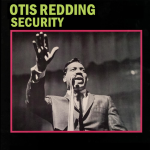
“Security” was written by Otis Redding and appears as the fourth song on side two of Redding’s debut studio album, Pain in My Heart. Released as the fourth single from the album in April 1964, the song went to #97 on the Billboard Hot 100 Singles chart. It’s no secret that Janis Joplin was a big fan of Otis Redding’s phrasing, which involves an interesting side note to “Security.” In the chorus Redding sings:
I want security, yeah
Without it I had a great loss, oh now
Security, yeah
And I want it at any cost, oh now
At the beginning of the first verse, Redding sings, “Don’t want no money now,” after which he sings “now me” three times before the next line. Listen to how Janis Joplin inserts those same three “now me’s” into her version of the Jerry Ragovoy-Bob Berns penned song “Piece of My Heart” before she sings “hear me when I cry.” The roots run deep. The great late blues singer Etta James did a version of “Security,” which is getting play as a part of a current television ad for Google internet security. James used the Redding triple-play “now me’s” too.
Pain in My Heart was recorded in 1962-63 at Stax Studio in Memphis, with Jim Stewart producing. Released in March 1964, it went to #103 on the Billboard 200 Albums chart. Four singles were released from the LP.
Otis Redding was an American soul singer and songwriter. He is considered by many to be the greatest male vocalist in the history of American popular music. He got his start in the late 1950s as the singer in Johnny Jenkins’s band, The Pinetoppers. After Stax Records owner Jim Stewart heard Redding sing “These Arms of Mine” at the piano at Stax, he signed him to his first record deal. Redding released 10 studio albums, nine live albums, 15 compilation albums and 48 singles, and won two Grammy Awards and a Grammy Lifetime Achievement Award. He is a member of the Rock and Roll Hall of Fame, Songwriters Hall of Fame, and Rhythm and Blues Music Hall of Fame. As his career was rising, Redding tragically died in a plane crash in December 1967 that also claimed the lives of four members of his backup band, the Memphis-based Bar-Kays.