Significantly reduced demand for crude oil by refineries is spurring production cuts in Alberta’s oil sands, and that could lead to a major decline in demand for Western Canadian natural gas. The oil sands are the single largest consumer of natural gas in Canada, accounting for more than half of the gas used in Alberta year-round and up to 37% of the gas used nationwide. With that kind of clout, anything that affects gas consumption in the oil sands is bound to have an outsized impact on the Alberta and overall Canadian natural gas markets. Today, we conclude our series on the effects of COVID-related disruptions on the Canadian natural gas market.
When considering Alberta’s oil sands, what typically comes to mind are vast reserves, huge mining and steam-assisted gravity drainage (SAGD, or “in situ”) operations, and enormous oil production capability. What is sometimes overlooked is that oil sands production consumes massive volumes of natural gas in order to produce the heavy oil from bitumen that’s characteristic of the oil sands, or light synthetic crude oil after being upgraded from heavy oil. However, bitumen production from the oil sands is facing immense pressures on several fronts: record-low prices for Canadian heavy oil; a concurrent squeeze on the economic viability of currently operating and future oil sands projects; and logistical constraints in terms of rapidly diminishing physical capacity to store barrels both in Alberta and further downstream in the Midwest. A number of oil sands producers have already announced production cutbacks, and more supply cutbacks are likely.

Canadian crude output is rising, requiring new export routes. As traditional pathways face constraints, the U.S. Rockies—especially the Guernsey, WY hub—are emerging as key corridors for moving Canadian heavy crude to downstream markets, including the Gulf Coast.
In Part 1 of this series, we began our analysis of the Canadian natural gas market with a recap of the just-finished heating season’s supply-demand balance and gas storage behavior, and considered the storage scenarios that could play out this injection season (April through October). As we highlighted in that blog, the Canadian gas market, which relies on exports to the U.S. to balance, is likely to bear the brunt of oversupply in the Lower 48, where COVID-related gas demand losses could accumulate, potentially well ahead of any offsetting effects that materialize from an oil price-driven downturn in gas supply. Oversupply conditions in the U.S. likely will spill over into the Canadian market, through a combination of pushback on Canadian gas flowing south of the border and more U.S. gas flowing north into Canada. The result? More gas sloshing around in Canada and needing a home in storage. Then, factoring in the possibility of gas supply growth in Western Canada and the local demand losses from COVID closures and a slowdown in oil sands development, we concluded that gas storage in Canada could be facing a real test of capacity limits by the end of October.
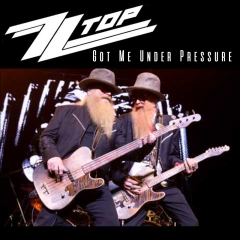
About the song
“Got Me Under Pressure” was written by Billy Gibbons, Dusty Hill and Frank Beard and appears as the second song on side one of ZZ Top’s eighth studio album, Eliminator. The album was unique for the band in that it used synthesizers, drum machines and sequencers for the rhythm section tracks, supplemented by Billy Gibbons’s guitar. The album featured the vocals of Gibbons and ZZ Top bass player Dusty Hill. The first draft of the album was done at drummer Frank Beard’s house in Houston, with Linden Hudson doing most of the programming and engineering. Billy Gibbons finished the album at Ardent Studios in Memphis, with Bill Ham producing and Terry Manning engineering. Manning said Gibbons used a Dean Z electric guitar and Legend Rock n Roll Combo amp for the Eliminator guitar sound. There is controversy about the album in that Linden Hudson claims that he co-wrote most of the material on it with Gibbons. The band denied that and has Hudson listed as “pre-production engineer” on the album credits. They later settled a three-year legal battle with Hudson by paying him $600,000 and giving him a writing credit on the song “Thug.” In spite of the credits on the album, Hill and Beard did not play on the record, letting the new technology represent the rhythm section, and setting a new standard for how rock records sounded in the early 1980s.
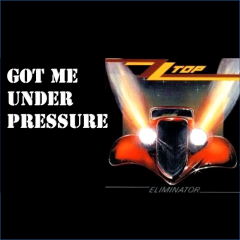
Eliminator was released in March 1983 and went to #9 on the Billboard Top 200 Albums chart. “Got Me Under Pressure” was released as the second single from the album in May 1983 and went to #18 on the Billboard Mainstream Rock Singles chart. Eliminator has been certified Diamond (10 million copies sold) by the Recording Industry Association of America. Billy Gibbons had Don Thelan of Buffalo Motor Cars in Paramount, CA, build him a chopped hot rod 1933 Ford coupe named “The Eliminator.” The car would be featured on the album cover and all videos of the band from the Eliminator album. The videos were a huge hit on MTV, with heavy rotation. Personnel as listed on the album cover of the record were: Billy Gibbons (guitars, vocals), Dusty Hill (bass, backing vocals, lead vocals on “I Got the Six” and “Bad Girl”) and Frank Beard (drums, percussion).
ZZ Top is an American rock trio formed in Houston in 1969 by Billy Gibbons, Dusty Hill and Frank Beard. Bassist Hill and drummer Beard were previously in the Dallas psychedelic blues band, American Blues, and guitarist Gibbons was a member of the Houston rock band The Moving Sidewalks. They have released 15 studio albums, four live albums, one soundtrack album, seven compilation albums, three EPs, and 38 singles. They have sold more than 50 million records worldwide. They have won three MTV Video Music Awards, have a star on the Hollywood Walk of Fame, and were inducted into the Rock and Roll Hall of Fame in 2004. After bassist Dusty Hill's death in July 2021, at Hill's request, he was replaced in the band by his longtime guitar tech, Elwood Francis. They continue to record and tour and will appear with Lynyrd Skynyrd on the Sharp Dressed Simple Man Tour, and as solo artists, through December 2024.