Ethanol is a biofuel that is found in nearly 98% of the gasoline purchased at retail stations in the U.S., in most cases accounting for 10% of the gasoline/ethanol blend. This high-octane, biofuel has grown in popularity around the world, particularly over the last 20 years, due to regulations that require or incentivize its use. As governments continue to evaluate regulations to control greenhouse gas (GHG) emissions, ethanol has been overshadowed by some other biofuels lately but it is expected to continue to play an important role as a pathway for meeting low-carbon mandates. Today, we discuss the history, the production, and the still-evolving role of ethanol in the global push to decarbonize.
In this blog series, we are reviewing low carbon fuel policies, the mechanisms being evaluated and implemented to meet increasingly stringent GHG-related regulations, and the impact these rules could have on refined products markets. In Part 1, we provided an overview of various policies that have been adopted and are being discussed to reduce GHG emissions from on-road transportation fuel use. We also noted some of the more widely-used approaches being taken, including fuel economy standards, renewable blending requirements, zero emission vehicle mandates, and low-carbon fuel standard (LCFS) programs in California and Oregon, the Canadian province of British Columbia, and the proposed Canadian Clean Fuel Standard. Such LCFS programs are usually established and measured based on the carbon intensity (CI) of fuels used. CI is a measure of the lifecycle GHG emissions associated with producing, distributing, and consuming a fuel, which is measured in grams of carbon dioxide equivalent per megajoule (gCO2e/MJ) (that’s the simple version.) Typically, LCFS policies establish downward-sloping carbon-intensity benchmarks for the jurisdiction’s total transportation fuel pool and incentivize the production and blending of lower-CI fuels to meet the benchmarks.
In Part 2, we focused on California’s LCFS, which was implemented in January 2011 and which grew out of a number of earlier efforts by the nation’s most populous state to improve air quality and, more recently, reduce its GHG emissions. The LCFS assigns a CI value for petroleum-based gasoline and diesel fuels, as well as their substitutes (such as ethanol, biodiesel, etc.), using a total of four models to calculate the direct and indirect effects of producing and using the fuels. (California Reformulated Gasoline Blendstock for Oxygenate Blending — CARBOB, the petroleum-based portion of finished gasoline in California, which accounts for roughly 90% of each gallon — has a CI of ~101 gCO2e/MJ.) The LCFS then sets CI limits on the finished gasoline and diesel fuel consumed in California each year on a gradually declining scale to meet the 2030 goal of a 20% reduction in the carbon intensity of motor fuels consumed in the state. Petroleum-based fuels have CIs higher than the annual limits and renewable fuels are generally below the annual limits. If a fuel has a CI above the limit, it generates a deficit and if a fuel is below the line, it generates a credit. (Again, see Part 2 for details.)

The Future of Fuels bi-annual report by RBN's Refined Fuels Analytics provides an in-depth analysis of the U.S. and global refinery industries, focusing on crude oil and fuel market dynamics, supply and demand, alternative fuels, refinery capacities, and price forecasts to help stakeholders navigate the evolving energy landscape.
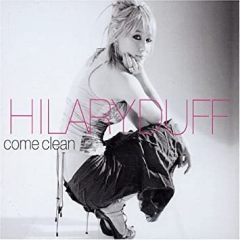
About the song
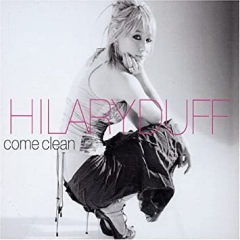
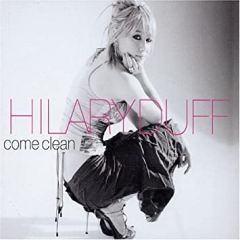
"Come Clean" was written by Kara DioGuardi and John Shanks and in January 2004 was the second single released from Hilary Duff’s second studio album, Metamorphosis. Produced by John Shanks, the song peaked at #35 on the Billboard Hot 100 Singles chart in the U.S., but broke into the Top 20 in the UK and Australia.
The song was used in the theatrical trailer for the 2004 film A Cinderella Story, which stars Duff. It also was used as the theme song for the MTV reality television shows Laguna Beach: The Real Orange County and Newport Harbor: The Real Orange County. A remix of “Come Clean” was included in Duff’s 2005 compilation album, Most Wanted, and another remix appeared in the Best of Hilary Duff LP in 2008.
Hilary Duff is an American actress, businesswoman, singer-songwriter, producer, and writer. She began her acting career at a young age, starring in the TV series Lizzie McGuire in 2001-04, followed by leading roles in The Lizzie McGuire Movie and several other films.