In the past few months, there’s been a flurry of interest in certified responsibly sourced gas (RSG). RSG is natural gas — it still comes out of wells in the Marcellus, Haynesville, Permian, and other U.S. production areas. What distinguishes RSG is that its producers and pipeline companies have made efforts to significantly reduce the greenhouse gases — mostly methane — that are needlessly emitted along the value chain, and that an independent and respected outsider has certified the success of these efforts. RSG is still new to a lot of folks, including those in the natural gas business, so it’s reasonable to ask, who does the certifying, and what are the differences between them? In today’s RBN blog, we continue our series on RSG with a look at the different approaches taken by RSG certifiers: Project Canary and MiQ.
According to the International Energy Agency (IEA), emissions of methane (CH4) from the livestock industry, the oil and gas sector, and other human-related activity is responsible for about 30% of the global rise in temperature in the modern era. IEA also has claimed that it is technically feasible to prevent more than 70% of current CH4 emissions from oil and gas operations, and that about 45% of methane emissions could be avoided at no net cost because the value of the captured gas is higher than the cost of the abatement measures.
The Global Methane Pledge promoted by the U.S., the European Union (EU), and several other countries — sure to be a major topic at the United Nations Climate Change Conference (COP26) in Glasgow, Scotland, over the next few days — calls for reducing global methane emissions by at least 30% from 2020 levels by 2030 and ramping up the use of “best available inventory methodologies” to quantify CH4 emissions, with a particular focus on high emission sources like oil and gas production and pipelines. Also, the Biden administration will soon release new draft regulations focused on reducing methane emissions from these same sources, and Congress has been considering aggressive efforts to plug and remediate abandoned oil and gas wells and coal mines, again with the aim of minimizing emissions of CH4.

The Natural Gas Master Class is a one-day online event focusing on understanding flow analysis, interpreting pipeline data and forecasting future flows. This course is designed to equip you with the knowledge and skills to effectively analyze the complexities of natural gas markets, flow analysis, and pipeline modeling. Join us online
October 21 | Online
About the song
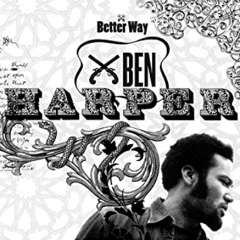
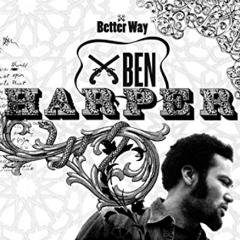
“Better Way” was written by Ben Harper and was the first cut and first single from his seventh studio album, Both Sides of the Gun. The LP was recorded at Boat Studios at Silver Lake, CA, and released in March 2006. Harper handled the production chores for the release; it was a two-disc set, with the first disc highlighting acoustic numbers and the second showcasing more rock-oriented tunes. Harper sings lead on all of the numbers, and plays most of the instruments on the record, with the assistance of 27 other musicians helping in his endeavors. Both Sides of the Gun reached #7 on the Billboard Top 200 Albums chart.
Ben Harper is an American singer, songwriter, record producer, and instrumentalist. His professional career began in 1990 as a touring musician with Taj Mahal and in an appearance on Mahal's Follow the Drinking Gourd album. Harper released his debut album, Welcome to the Cruel World, in 1994. He has won three Grammy Awards, and has released 14 studio albums and five live albums. He still records and tours. He recently concluded a short U.S. tour, and is planning a European tour for the summer of 2022.