It’s been a rough few weeks for the offshore wind industry, highlighted by Ørsted’s decision to cancel two high-profile projects in the Northeast: Ocean Wind 1 and Ocean Wind 2. The industry continues to be plagued by a host of problems around inflation, the supply chain and permitting, leading some developers to write-down losses and question whether their projects remain economically viable. But it hasn’t all been bad news, as other projects have been able to move forward and hit major milestones. In today’s RBN blog, we look at the recent cancellations, some key projects that have been approved or are advancing, and what we’ll be watching for over the next several months.
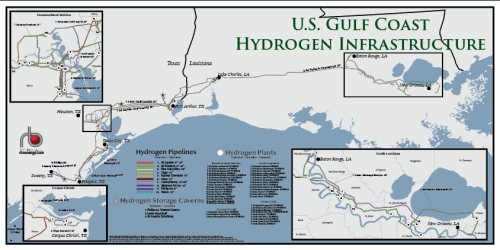
RBN’s U.S. Gulf Coast Hydrogen Infrastructure Map lays out the pipelines and merchant hydrogen plants that make up the gulf coast market, providing an unprecedented snapshot of the region’s hydrogen infrastructure network.
We’ve written a lot over the past couple of years about how the world’s ongoing effort to decarbonize isn’t going to be a straight line leading directly to abundant, carbon-free power and a net-zero world. The increased deployment of electric vehicles (EVs), the development of large-scale carbon-capture projects, and the creation of a clean hydrogen industry are all seen by proponents as important elements of a lower-carbon economy, but each faces its own headwinds to widespread adoption and long-term growth. And as we wrote in Part 1 of this blog series, it’s much the same situation for offshore wind.
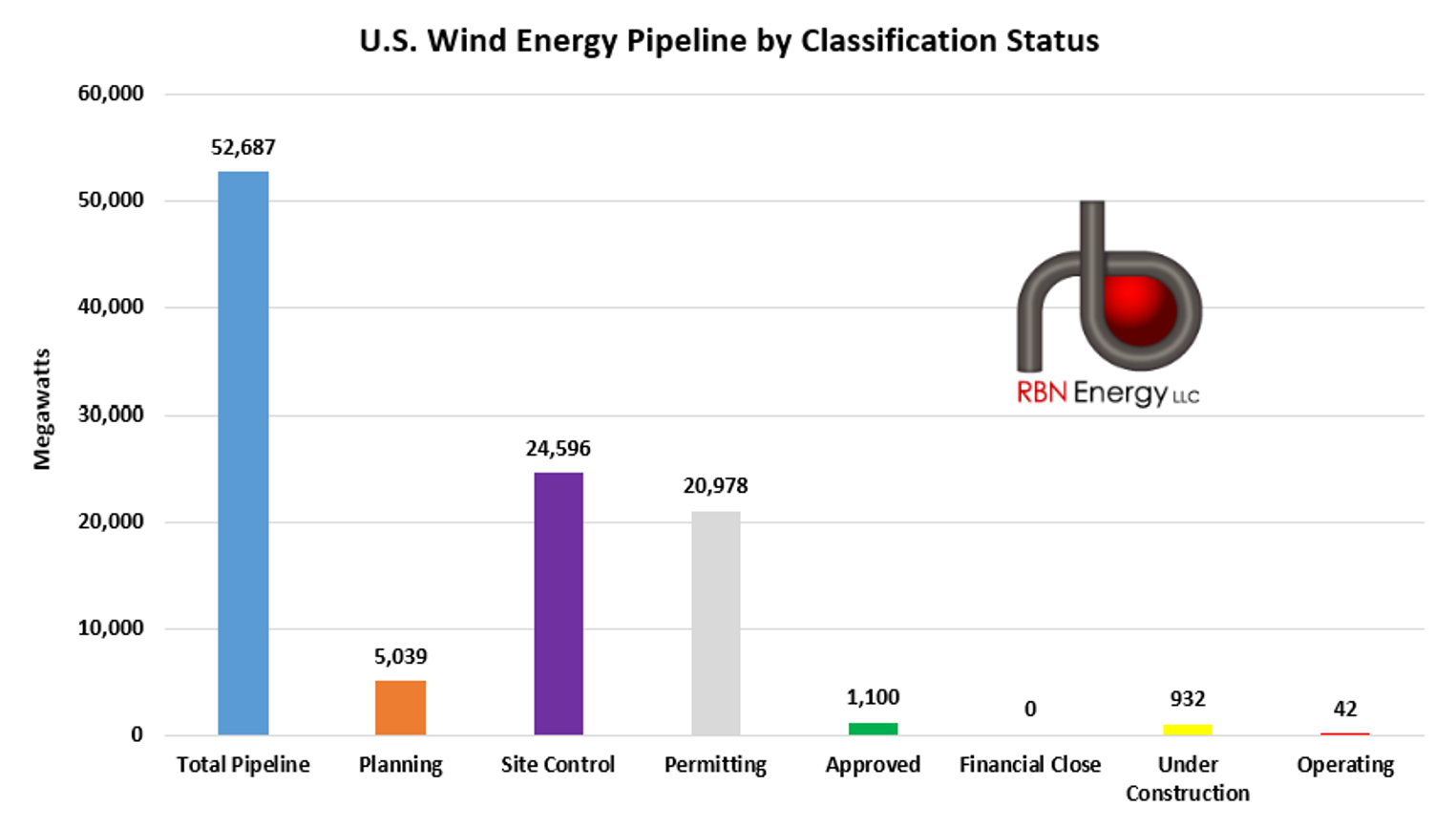
Figure 1. U.S. Wind Energy Pipeline by Classification Status as of May 31, 2023. Source: Offshore Wind Market Report
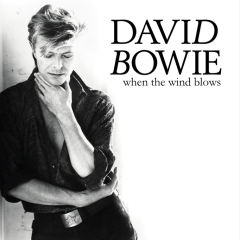
About the song
“When the Wind Blows” was written by David Bowie and Erdal Kizilcay and appears as the first song on the soundtrack album for the 1986 animated film When the Wind Blows. Released as a single in October 1986, the song went to #44 on the U.K. Singles chart. The lyrics are based on the film’s tale of a rural English couple’s attempt to survive a nuclear attack and its aftermath. Personnel on the record were: David Bowie (vocals, production) and Erdal Kizilcay and David Richards (production).
When the Wind Blows Soundtrack Album was recorded during the winter of 1985 in London. It features tunes written by Roger Waters and performed with his Bleeding Heart Band, along with artists David Bowie, Genesis, Hugh Cornwell, Squeeze, and Paul Hardcastle. Bowie was originally slated to provide the majority of songs for the album, but decided to pass so he could focus on his upcoming LP at the time, Never Let Me Down. The soundtrack album was released in May 1986 along with the film directed by Jimmy Murakami.
David Bowie (David Jones) was an English singer, songwriter, musician, and actor. He is regarded as one of the most influential artists of the 20th century. He released 26 studio albums, nine live albums, 26 compilation albums, two soundtrack albums, eight EPs and 128 singles. He has sold more than 140 million records worldwide. Bowie was featured in 37 motion pictures and television shows. He won four Brit Awards, six Grammy Awards, four Ivor Novello Awards and four MTV Video Music Awards. He was inducted into the Rock and Roll Hall of Fame, Songwriters Hall of Fame, has a Lifetime Achievement Grammy Award, and a star on the Hollywood Walk of Fame. Bowie died in January 2016 in New York City at the age of 69.