COVID-19 has created a number of challenges across the energy value chain, including lower demand for motor gasoline and jet fuel and, subsequently, surplus crude oil. However, even with diminished demand, the facilities that produce and process these fuels have to keep operating at some level, as do petrochemical plants. Workers in the energy industry are considered essential due to the importance of having fuel available to power vehicles and manufacturing facilities, natural gas to enable continued operation of power industries, and logistical infrastructure to ensure that feedstock supply can make it to processing facilities and eventually consumers. Given the need for round-the-clock operations, COVID-related social distancing measures have presented a unique challenge for refinery and petrochemical facilities. To maintain adequate staffing while protecting personnel from the coronavirus, these facilities have been making major adjustments. If, as we all hope, things begin moving back toward “normal” in the coming months and refinery and petchem utilization ramps up, these efforts to keep workers safe will only gain in significance. Today, we discuss staffing issues in these key industry sectors during the pandemic.

The Crude Oil Billboard keeps readers at the forefront of the U.S. crude oil market by offering access to data and information moments after its release. Say goodbye to PDF reports that come out after the market has already moved on.
In recent weeks, we have all heard about the challenges that another essential sector of the U.S. economy — the meat-processing industry — has faced regarding COVID, resulting in plant shutdowns and beef, pork and chicken shortages, not to mention the health impacts to the workers themselves. Refineries and petrochemical plants must also deal with similar personnel issues while already reeling from the blow dealt to demand. RBN has blogged extensively over the past couple of months about the upheavals that the COVID pandemic has caused in just about every nook and cranny of the energy industry. In One Thing Leads to Another and Can’t Get Enough of It, we examined the big changes happening in the market for all NGLs, including ethane and propane — the two most important feedstocks for U.S. steam crackers. For crude oil, the factors affecting the U.S. supply and demand balance were discussed in How Much More Can I Take. On the supply side, we looked at the impact of shut-ins in last week’s Shut Down. On the demand front, Part 1 and Part 2 of this series on refineries looked at the various approaches that refineries have been taking to reduce their overall throughput. Figure 1, below, shows just how underutilized North American refining capacity is currently with the dashed red boxes identifying cutbacks specifically attributable to COVID.
About the song
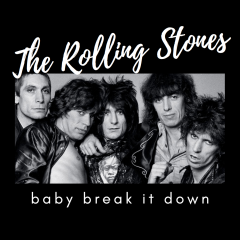
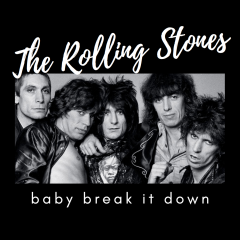
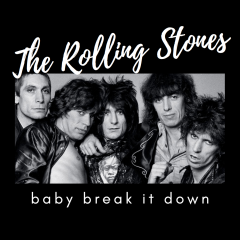
"Baby Break It Down" was written by Mick Jagger and Keith Richards and appears as the 13th song on The Rolling Stones' 22nd American studio album, Voodoo Lounge. Recorded between September 1993 and April 1994 at Ronnie Wood's house in Ireland and Windmill Lane Studios in Dublin, the album was released in July 1994. Produced by Don Was with Mick Jagger and Keith Richards, it was the first album for the group in five years, since The Stones released Steel Wheels in 1989. Voodoo Lounge would also be the first Stones album without Bill Wyman, who had been the band's bassist since its inception. Personnel on the LP were: Mick Jagger (lead vocals, guitar), Keith Richards (guitars, backing vocals), Ronnie Wood (guitars, pedal steel, backing vocals), Charlie Watts (drums, percussion), Darryl Jones (bass), Chuck Leavell (keyboards), and Bernard Fowler and Bobby Womack (backing vocals). Six singles were released from the album, which went to #2 on the Billboard Top 200 Albums chart. It has been certified 2x Platinum by the Recording Industry Association of America. Voodoo Lounge won a Grammy Award in 1995 for Best Rock Album. The album's title was derived from Keith Richards, who while vacationing in Barbados named the terrace of his house "Voodoo's Lounge" after his adopted cat — named Voodoo — claimed it as his playground.
The Rolling Stones are a British rock band formed in London in 1962. They have sold more than 200 million records worldwide. The band has released 30 studio albums, 28 live albums, 26 compilation albums, three EPs and 120 singles. They have won one Billboard Music Award, four Grammy Awards, three MTV Video Music Awards and two World Music Awards. The Rolling Stones are members of the Rock and Roll Hall of Fame and the UK Music Hall of Fame. Original members Jagger, Richards and Watts — along with longtime member Ronnie Wood — still record and tour. The Rolling Stones’ upcoming No Filter tour of North America has been postponed, however, due to the ongoing global COVID pandemic.