U.S. energy policy was at the heart of the 2024 presidential campaign in more ways than one. Many voters cited economic concerns in their decision to return President Trump to the White House, with energy costs top of mind, but U.S. energy policy impacts everything from domestic manufacturing and decarbonization efforts to resource development and international trade. In today’s RBN blog, we look at the executive orders issued by Trump on the first day of his second term and how they fit into his plan for the U.S. to exert “energy dominance.”
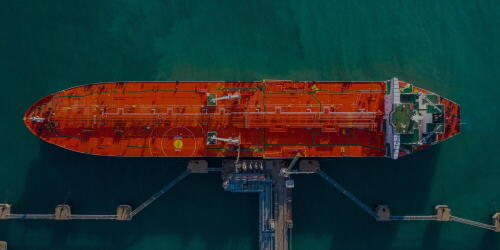
The Crude Voyager is a weekly analysis of U.S. Gulf Coast loading activity that explains the ebbs and flows of crude loadings, destinations, and geopolitical issues impacting U.S. exports. It outlines the major paths for laden tankers hauling U.S. crude all over the world and reflects the change in tanker departures to the main regions that consume U.S. crude.
If you feel like U.S. energy policy has been on a bit of a see-saw for the last decade, you’re not alone. While policy can swing significantly from administration to administration, the shifts have been particularly sharp over the past eight years, with Trump attempting to reverse many priorities of the Obama administration, followed by President Biden trying to do the same to Trump. But Trump is back in office, on a campaign that promised to lower prices for consumers, unleash U.S. energy production — “Drill, baby, drill!” — and undo many of the clean-energy initiatives established during the Biden administration. The Trump team had been planning for Inauguration Day for some time, aiming to make the start of his second term in office as impactful as possible. To that effect, the returning chief executive issued just under 50 executive orders Monday, with five directly seeking to remake U.S. energy policy and another that rescinded several orders issued during the Biden administration.
Trump’s boldest order (so far) was his declaration of a national emergency for U.S. energy, which orders executive departments and agencies to identify and exercise any emergency authorities available to them to facilitate domestic energy production. Specific actions noted include emergency permitting under the Clean Water Act and exemptions from the Endangered Species Act — two laws whose provisions have slowed or even killed a number of energy-related projects. As justification for the emergency declaration, the order said insufficient energy production, transportation, refining, and generation constitutes an “unusual and extraordinary” threat to national security and the economy.
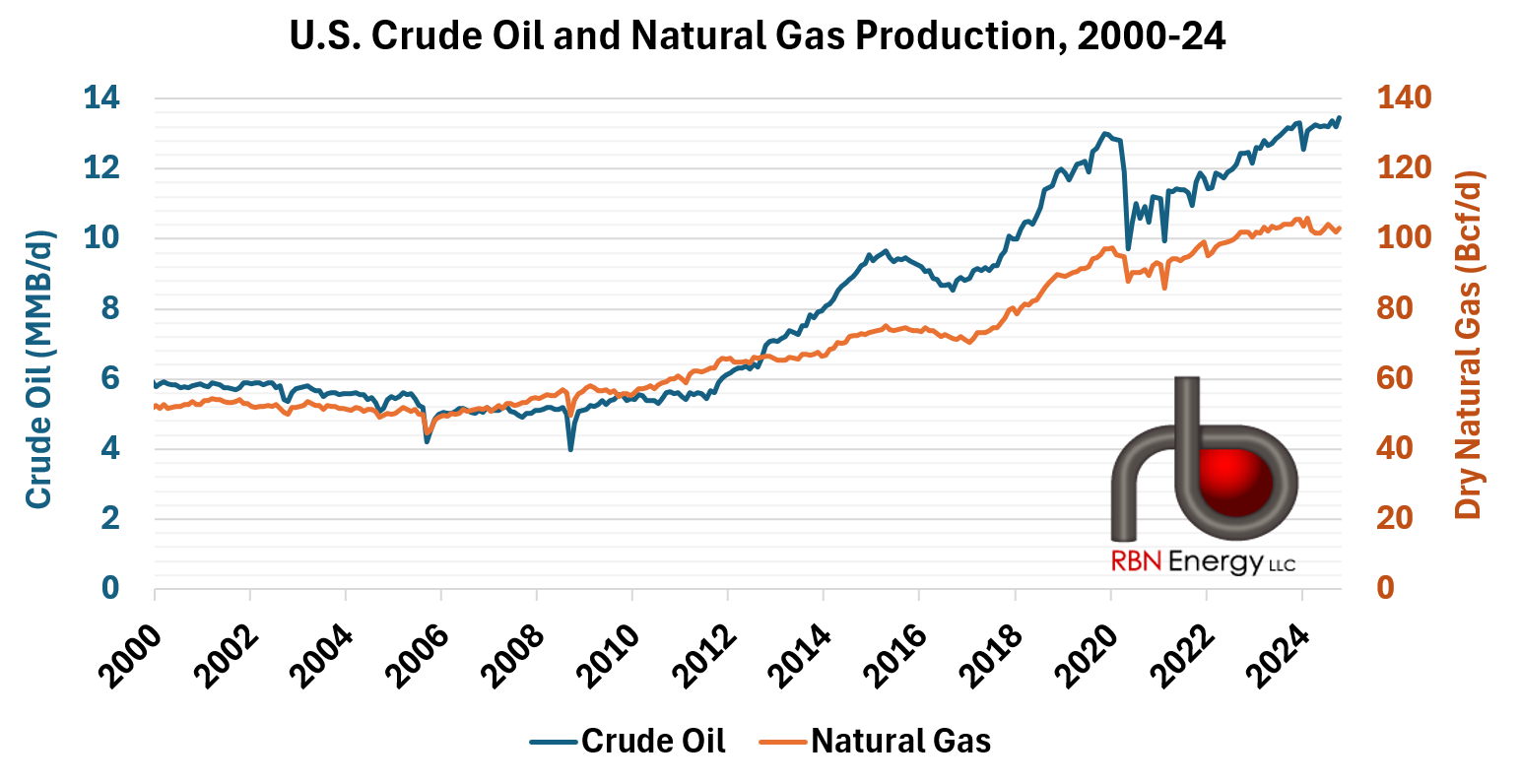
Figure 1. U.S. Crude Oil and Natural Gas Production, 2000-24. Source: EIA
Another executive order, Unleashing American Energy, is intended to accelerate the permitting process and reduce environmental reviews for many types of energy infrastructure projects, including LNG export terminals, transmission lines and pipelines. The order, which Trump highlighted during the campaign, aligns with his pledges to reduce energy prices by expanding oil and gas production, boosting power generation, and allowing the energy industry to expand as needed. But U.S. production of crude oil and natural gas (navy and orange lines, respectively, in Figure 1) are already pushing to record highs, and there is some doubt that oil and gas producers — which have been laser-focused on capital discipline over production growth in recent years — are ready to accelerate spending, as we noted in Writing’s on the Wall. If anything, lower prices would be more likely to limit production growth.
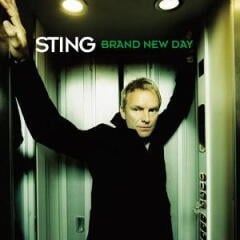
About the song
“Brand New Day” was written by Sting and appears as the 10th song on Sting’s sixth solo studio album of the same name. Released as a single in September 1999, it went to #2 on the Billboard Adult Alternative and #3 on the Billboard Bubbling Under Hot 100 Singles charts. The song won a Grammy Award for Best Male Pop Vocal Performance in 2000. Stevie Wonder played the harmonica solo on the song. Personnel on the record were: Sting (vocals, bass, Roland VG-8 guitar synthesizer), Kipper (keyboards, drum programming), Jason Rebello (acoustic piano, Claivinet), Don Blackman (Hammond organ), David Hartley (Hammond organ, string arrangements, conductor), Dominic Miller (guitar), B.J. Cole (pedal steel guitar), Vinnie Colaiuta, Manu Katche (drums), Mino Cinelo (percussion), Ettamri Mustapha (darbouka), Branford Marsalis (clarinet), Chris Botti (trumpet), Kathryn Tickell (Northumbrian pipes, fiddle), Stevie Wonder (harmonica), and Farhat Bouallagui (string arrangements).
The album Brand New Day was recorded from June 1998-June 1999 at The Villa Il Palagio in Tuscany; Studio Mega in Paris; Right Track Recording and Avatar Studios in New York City; and Air Lyndhurst Hall in London. Produced by Sting and Kipper, the album was released in September 1999. It went to #9 on the Billboard 200 Albums chart and has been certified 3x Platinum by the Recording Industry Association of America. The LP won a Grammy Award for Best Pop Vocal Album in 2000. Three singles were released from the album.
Sting (Gordon Matthew Thomas Sumner) is an English musician, singer, songwriter and actor. He was the front man, singer and bassist for The Police from 1977 to 1984. He launched his solo career in 1985 with music that includes elements of worldbeat, jazz, reggae, new age and pop. With The Police, he released five studio albums, two live albums, four soundtrack albums, seven compilation albums, one EP and 26 singles. The Police sold more than 100 million records worldwide. As a solo artist Sting has released 15 studio albums, six live albums, seven soundtrack albums, 10 compilation albums, five EPs and 51 singles. He has won 25 American Music Awards, three Brit Awards, one Billboard Music Award, one Golden Globe Award, 18 Grammy Awards, seven Ivor Novello Awards and two MTV Video Music Awards. He is a recipient of Kennedy Center Honors and is a member of the Songwriters Hall of Fame. Sting was inducted into the Rock and Roll Hall of fame as a member of The Police in 2003. He has been a featured player in 18 motion pictures and appeared in several television show. He has also appeared in three Broadway shows. He continues to record and tour.