The permitting process for energy projects can drag on for years, resulting in multiple state and federal hurdles, environmental studies and judicial reviews. This is true not only of traditional energy projects involving oil and gas but also renewables like wind and solar and long-distance transmission, which are seen as key elements of the energy transition. Legislation proposed by a pair of influential senators aims to help move these projects along every step of the way but getting Congress to agree on anything — especially during an election year — figures to be a formidable challenge. In today’s RBN blog we examine the Energy Permitting Reform Act of 2024.

The Natural Gas Master Class is a one-day online event focusing on understanding flow analysis, interpreting pipeline data and forecasting future flows. This course is designed to equip you with the knowledge and skills to effectively analyze the complexities of natural gas markets, flow analysis, and pipeline modeling. Join us online
October 21 | Online
Almost everyone acknowledges the benefit of having interested parties and stakeholders weigh in on significant proposals to build or expand infrastructure, whether it be a new highway, an airport runway extension or an interstate oil or gas pipeline. Additionally, credible regulations and appropriate safeguards (such as the Clean Water Act’s focus on protecting the nation’s water supplies) are essential to the process. Still, the often-byzantine permitting process (see Figure 1 below) for some projects can drag on for years. Given those hurdles, horror stories abound — a decade or more to build an electric transmission line or to get a mining permit — and the reality is that some large, complicated projects can be constructed in far less time than it takes to secure required permits and work through the legal challenges. The issues are well-documented in numerous RBN blogs, including our Don’t Pass Me By blog series and Easier Said Than Done Down Report.
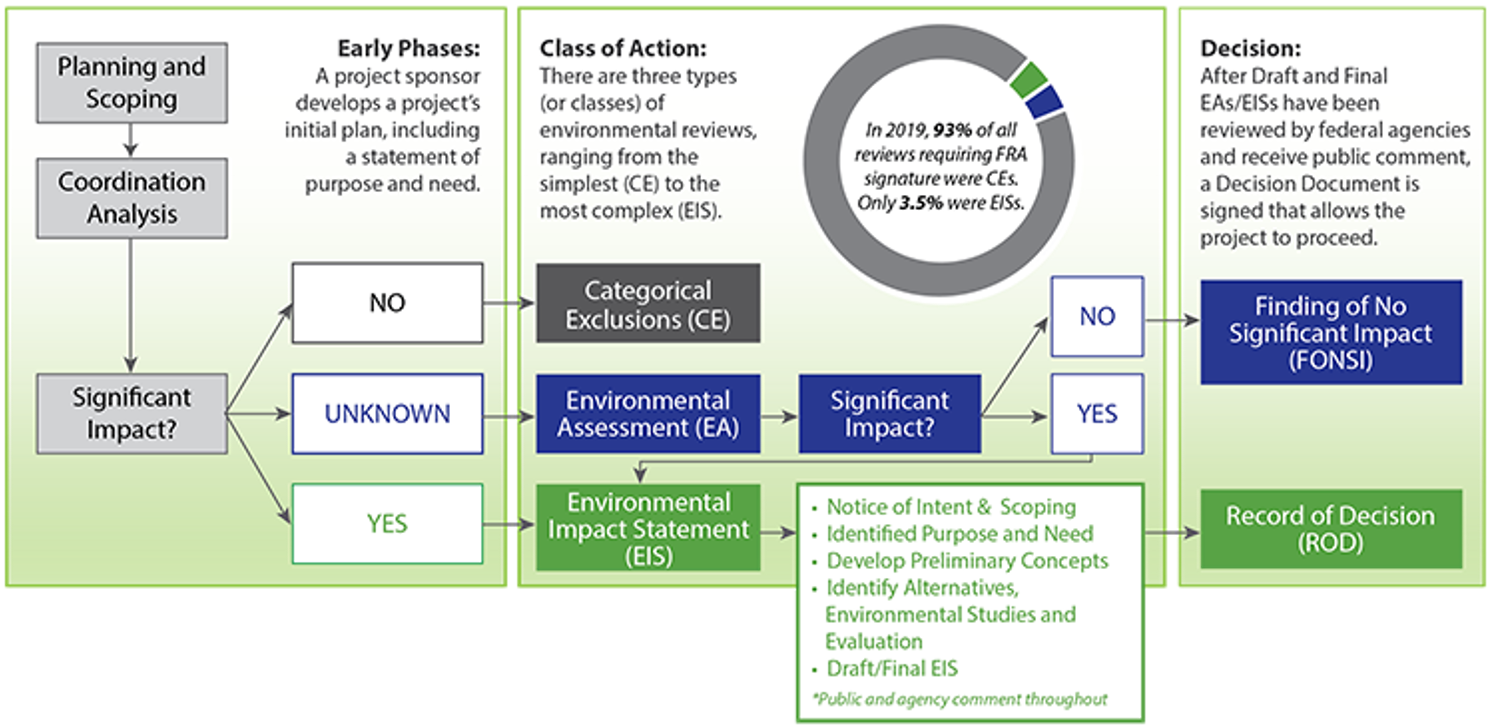
Figure 1. Illustration of Review Process Under National Environmental Policy Act. Source: Federal Railroad Association
Last month, Senators Joe Manchin (a longtime Democrat but now an Independent from West Virginia who will retire this year) and John Barrasso (a Republican from Wyoming) unveiled a bipartisan bill — the Energy Permitting Reform Act of 2024 — with the aim of minimizing regulatory and legal logjams. We should note that it was Manchin’s approval that secured passage of the Inflation Reduction Act in 2022 (see Name Game), the Biden administration’s most significant energy-related legislation. As part of securing the IRA’s passage, Democratic leaders promised a vote on a separate measure — which subsequently failed — to speed up the permitting process, including reforms to the National Environmental Policy Act (NEPA) and measures to ensure completion of the long-delayed Mountain Valley Pipeline (MVP) project. (The final approvals for MVP later became part of 2023’s debt-ceiling bill, which also included some NEPA reforms; for more, see Rescue Me.)
About the song
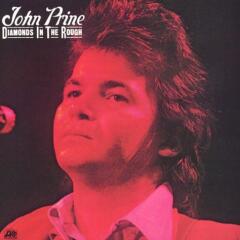
“The Great Compromise” was written by John Prine and appears as the third song on side two of John Prine’s second studio album, Diamonds in the Rough. It is an anti-war protest song that compares love of country to a girlfriend that you love in spite of her bad habits and abuse of your good intentions. Prine has said of the song, “It’s about a kid that went out to find America and he found her in a bar room drinking.” Personnel on the record was John Prine (vocals, acoustic guitar).
Diamonds in the Rough was recorded in 1971 at Atlantic Recording Studios in New York City and produced by Arif Mardin. It was recorded in three days and according to Prine, “cost $7,200, including beer.” Prine wanted the album to sound like how his music sounded when he was playing in a living room with his friends. Released in 1972, it went to #148 on the Billboard 200 Albums chart. One single, “Everybody,” was released from the LP.
John Prine was an American country-folk music singer, songwriter and guitarist. He was known for his satirical lyrics about love, life and current events. The former Chicago mailman got his first professional break when Kris Kristofferson heard his songs and had Prine be his opening act in 1970. He released his debut album the following year. He released 15 studio albums, six live albums, two compilation albums, and 18 singles. He won four Grammy Awards, a Grammy Lifetime Achievement Award, and is a member of the Songwriters Hall of Fame. Prine died in Nashville in April 2020 at the age of 73.