The hype around low-carbon-intensity (LCI) hydrogen that captivated many energy transition fans over the past four years has lost some momentum of late as industry players recalibrate their investment plans in the face of spiraling costs. Still, the U.S. government is moving full speed ahead — the Bipartisan Infrastructure Law (2021) and Inflation Reduction Act (2022) promise to flow billions of dollars into LCI hydrogen infrastructure via tax credits and other incentives. Which raises this question: Will LCI hydrogen make economic sense or not? In November 2021, the Department of Energy (DOE) asked the National Petroleum Council (NPC) to take a deep dive into the topic. In today’s RBN blog, we begin a review of the issues at hand.

The Natural Gas Master Class is a one-day online event focusing on understanding flow analysis, interpreting pipeline data and forecasting future flows. This course is designed to equip you with the knowledge and skills to effectively analyze the complexities of natural gas markets, flow analysis, and pipeline modeling. Join us online
October 21 | Online
Our first blog series on the lightest of all gases — Help! — provided an introduction to hydrogen (H2) as a potential clean energy source as well as primers on production technologies and production economics. We followed that up with a blog that demystified the myriad of hydrogen unit conversions H2 analysts need to deal with (see I Did It). Burgeoning reader interest launched RBN’s weekly Hydrogen Billboard report, which tracks the latest developments in domestic and global hydrogen markets. We’ve also created a U.S. Gulf Coast H2 Infrastructure Map showing production, storage and pipeline links in service today. More recently we’ve covered enactment of the Bipartisan Infrastructure Law, which established federal funding for a series of regional hydrogen hubs (see The Contenders), and the Inflation Reduction Act, which included the 45V tax credit for LCI hydrogen (see Walls). And we’ve examined various efforts at permitting reform to speed infrastructure buildout (see Don’t Pass Me By and The Great Compromise).
The NPC, appointed by the Secretary of Energy and privately funded, consists of 200-plus members combining diverse experience across industry and consumers, including the oil and gas industry — and our own Rusty Braziel. In November 2021, Secretary Granholm asked the NPC to conduct a study of low- and zero-carbon hydrogen to help define potential pathways leading to LCI hydrogen deployment at scale. Over 300 individuals contributed to the ensuing analysis with seven Chapter Task Groups shepherding the writing along with outside modelling contributions from MIT. RBN contributed commentary and maps to Chapter 3 of the study, titled “LCI Hydrogen Connecting Infrastructure.”
About the song
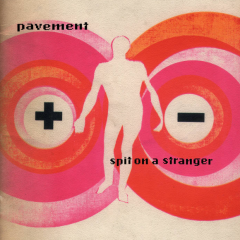
“Harness Your Hopes” was written by Stephen Malkmus and appears as the second song on Pavement’s ninth EP, Spit on a Stranger, which was released in June 1999. In 2017 the song became Pavement’s most-listened-to song on Spotify. The song also appears on the 2008 expanded edition reissue of Brighten the Corners: Nicene Creedence Edition. Having more than 148 million streams on Spotify, it has been certified Gold by the Recording Industry Association of America. Personnel on the record were: Stephen Malkmus (vocals, guitar), Scott Kannberg (vocals, guitar), Mark Ihold (bass, backing vocals), Bob Nastanovick (keyboards, percussion) and Steve West (drums).
The EP, Spit on a Stranger, was a six-song extended play released on the Matador label in June 1999. The title was the first song on Pavement’s fifth and final studio album, Terror Twilight. The band's final-to-date album was recorded between June and December 1998 at RPM Studios in New York City and RAK Studios in London and produced by Nigel Goodrich. Released in June 1999, it went to #95 on the Billboard 200 Albums chart. Two singles were released from the LP.
Pavement is an American indie rock band formed in Stockton, CA, in 1989. They have released five studio albums, two live albums, seven compilation albums, 10 EPs and 13 singles. The group disbanded in 1999, regrouped again in 2010, and have had several successful tours and concert performances since then. Pavement recently played before a capacity crowd at Sao Paulo’s C6 Festival in May 2024. Seven members have passed through the band since its formation. Original drummer Gary Young died in 2023.