Traveled by air in the U.S. lately? Airports and airplanes are packed to the gills. Unruly passengers are making the nightly news and becoming YouTube sensations. Jet fuel shortages are popping up. But there are other developments in air travel too, including a push by the global airline industry to rein in its greenhouse gas emissions. And the heart of that movement is sustainable aviation fuel, or SAF. While the blending of SAF with conventional jet fuel is not mandated in the U.S., the alternative fuel is gaining altitude, in part because it can generate layers of credits that can be utilized in various renewable fuel trading programs. In today’s blog, we look at the current status of renewable fuel in the U.S. aviation sector.

The Future of Fuels bi-annual report by RBN's Refined Fuels Analytics provides an in-depth analysis of the U.S. and global refinery industries, focusing on crude oil and fuel market dynamics, supply and demand, alternative fuels, refinery capacities, and price forecasts to help stakeholders navigate the evolving energy landscape.
In this blog series, we are reviewing laws and regulations aimed at reducing carbon-dioxide and other greenhouse gas (GHG) emissions from the transportation sector in the U.S. and Canada. Low carbon fuel standards (LCFSs) have been adopted in a number of jurisdictions to help meet increasingly stringent GHG-related goals, which are likely to have sizable impacts on refined products markets. In Part 1 of this series, we provided an overview of various policies that have been adopted and are being discussed to reduce GHG emissions from transportation fuel use. We noted several approaches being taken, all of which measure performance based on carbon intensity (CI), an account of lifecycle GHG emissions associated with producing, refining, distributing, and consuming a fuel, typically measured in grams of carbon dioxide equivalent per megajoule (gCO2e/MJ). In Part 2, we focused on California’s LCFS, which was first implemented in January 2011 and subsequently enhanced. California’s LCFS sets CI limits on finished gasoline and diesel fuel consumed in the state each year on a gradually declining scale to meet the 2030 goal of a 20% reduction in the carbon intensity of motor fuels consumed there. In Part 3, we zeroed in on motor gasoline and how ethanol has come to play a major role in increasing the use of renewables. In Part 4 and Part 5, we discussed diesel, and how biodiesel and renewable diesel, respectively, have come to play major roles in increasing the use of renewables. Today, we turn our attention to sustainable aviation fuel (SAF) and discuss the regulations, production, and increasing role of SAF in decarbonization efforts.
In the U.S., jet fuel is the third most consumed transportation fuel, accounting for about 12% of all transportation fuel sold in 2019 — the last “normal” year for air travel — before dropping to about 8% in COVID-impacted 2020 and rebounding to 9% in the first five months of 2021, according to the Energy Information Administration (dashed red line and right axis in Figure 1). After many years of development, aviation turbine engines have proven to be reliable and efficient, with a very high power-to-weight ratio. The high energy density of liquid jet fuel enables modern aircraft to fly long distances without the need to refuel. Therefore, use of SAF in existing aircraft engines is currently viewed by many to be the most viable option to achieve GHG reductions in the aviation sector.
About the song
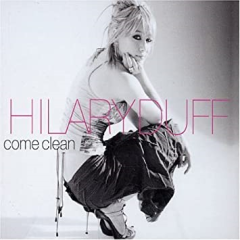
"Come Clean" was written by Kara DioGuardi and John Shanks and in January 2004 was the second single released from Hilary Duff’s second studio album, Metamorphosis. Produced by John Shanks, the song peaked at #35 on the Billboard Hot 100 Singles chart in the U.S., but broke into the Top 20 in the UK and Australia.
The song was used in the theatrical trailer for the 2004 film A Cinderella Story, which stars Duff. It also was used as the theme song for the MTV reality television shows Laguna Beach: The Real Orange County and Newport Harbor: The Real Orange County. A remix of “Come Clean” was included in Duff’s 2005 compilation album, Most Wanted, and another remix appeared in the Best of Hilary Duff LP in 2008.
Hilary Duff is an American actress, businesswoman, singer-songwriter, producer, and writer. She began her acting career at a young age, starring in the TV series Lizzie McGuire in 2001-04, followed by leading roles in The Lizzie McGuire Movie and several other films.