Renewable diesel is a popular topic in the transportation fuel space, and for good reason. For one, RD provides a lower-carbon, renewable-based alternative to petroleum-based diesel; for another, it’s a chemical twin of and therefore a “drop-in” replacement for ultra-low sulfur diesel. But, most of all, there are the large financial incentives provided by California’s Low Carbon Fuel Standard, the U.S. Renewable Fuel Standard, the U.S. Biodiesel Tax Credit, and other programs, which can make RD production highly profitable. Driven by these factors, there’s a lot of renewable diesel production capacity under construction or on the drawing board: everything from greenfield projects to expansions of existing RD refineries to conversions of old-school refineries so they can make RD. Today, we put the spotlight on RD and discuss how it differs from biodiesel, how it’s produced, and the new RD capacity coming online in North America.
Our blog series on low carbon fuel policies in the U.S. and Canada has garnered a lot of attention. There’s no doubt about it, energy folks want to learn all they can about alternative fuels, including the impact that low carbon fuel standard (LCFS) programs could have on refined products markets. To quickly recap what we’ve said so far, in Part 1 we provided an overview of various policies that have been adopted to reduced greenhouse gas (GHG) emissions from the transportation sector, such as fuel economy standards, renewable blending requirements, zero emission vehicle mandates, and LCFS programs in locations such as California, Oregon, British Columbia, and Canada generally via its Clean Fuel Standard.
In Part 2, we focused on California’s LCFS, which was implemented in January 2011 and which grew out of a number of earlier efforts there to improve air quality and, more recently, reduce GHG emissions. The LCFS assigns a carbon intensity (CI) target value for petroleum-based gasoline and diesel fuels, as well as their substitutes, such as ethanol, biodiesel, and renewable diesel. (CI is an assessment of the GHG emissions associated with producing, distributing, and consuming a fuel, and is measured in grams of carbon dioxide equivalent per megajoule, or gCO2e/MJ.) The LCFS then sets maximum CI limits on finished gasoline and diesel fuel consumed in California each year on a gradually declining scale to meet the 2030 goal of a 20% reduction in the carbon intensity of motor fuels consumed in the state.
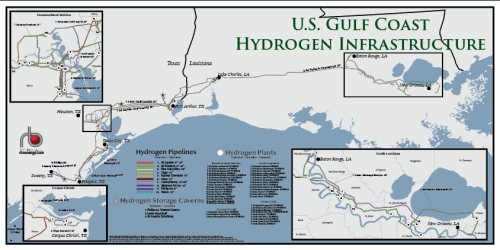
RBN’s U.S. Gulf Coast Hydrogen Infrastructure Map lays out the pipelines and merchant hydrogen plants that make up the gulf coast market, providing an unprecedented snapshot of the region’s hydrogen infrastructure network.
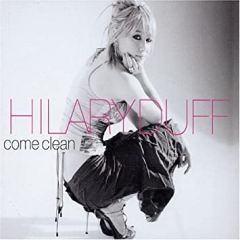
About the song
"Come Clean" was written by Kara DioGuardi and John Shanks and in January 2004 was the second single released from Hilary Duff’s second studio album, Metamorphosis. Produced by John Shanks, the song peaked at #35 on the Billboard Hot 100 Singles chart in the U.S., but broke into the Top 20 in the UK and Australia.
The song was used in the theatrical trailer for the 2004 film A Cinderella Story, which stars Duff. It also was used as the theme song for the MTV reality television shows Laguna Beach: The Real Orange County and Newport Harbor: The Real Orange County. A remix of “Come Clean” was included in Duff’s 2005 compilation album, Most Wanted, and another remix appeared in the Best of Hilary Duff LP in 2008.
Hilary Duff is an American actress, businesswoman, singer-songwriter, producer, and writer. She began her acting career at a young age, starring in the TV series Lizzie McGuire in 2001-04, followed by leading roles in The Lizzie McGuire Movie and several other films.