Since 2010, the U.S. midstream sector has moved through a clear boom-bust-discipline cycle: a massive infrastructure buildout in the 2010s, followed by a sharp pullback after 2020, and then a new era of more selective, high-return projects that prioritize asset optimization over large-scale projects. Post-pandemic investor pressure for stronger returns resulted in a strategic shift to financial discipline and significant deleveraging. However, new demand drivers — AI-propelled power load growth and a wave of LNG export expansion — are pushing midstream capex higher again. In today’s RBN blog, we’ll analyze the financial strength of major U.S. midstream companies and examine how they are balancing growth, risk and fiscal responsibility.
Join industry leaders in Calgary on October 29 for market insights, technical presentations, Duvernay inventory analysis, an expert panel, and networking focused on the next chapter of Canadian energy.
As the backbone of the U.S. oil and gas supply chain, midstream operators are forced to respond to volatile changes in hydrocarbon production and demand. In 2010-14, rapid growth in shale production triggered explosive growth in capital spending to the $40 billion-$50 billion per year range to fund long-haul crude pipelines, gathering and processing systems, and NGL fractionation and export infrastructure. There was a pullback after the plunge in crude prices in late 2014, but as shown in Figure 1 below, capex accelerated again in 2017 as Permian production outgrew takeaway capacity. Sectorwide spending reached another high-water mark in 2018-19 with the completion of major crude oil pipeline projects such as Cactus II, EPIC and Gray Oak; Gulf Coast NGL pipelines and fractionators; and the first wave of LNG export terminals.
About the song
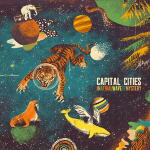
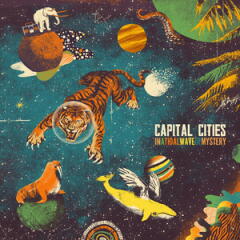
“Safe and Sound” was written by Ryan Merchant and Sebu Simonian. It first appeared on Capital Cities' self-produced and released 2011 EP, Capital Cities. It appears as the first song on Capital Cities’ 2013 debut studio album, In a Tidal Wave of Mystery. The synth-pop tune features vocals from Merchant and Simonian, with trumpets provided by Simon Ludwig and Brian Warfield. With its catchy dance rhythms, the song has been featured in television commercials for Coca-Cola, Mazda, McDonald’s, ADT Home Security, and Ben and Jerry’s ice cream. Released as a single in January 2011, it went to #8 on the Billboard Hot 100 Singles chart and has been certified 6x Platinum by the Recording Industry Association of America. A video of the song won an MTV Video Music Award in 2013. Personnel on the record were: Ryan Merchant (vocals, keyboards, mixing, production), Sebu Simonian (vocals, keyboards, mixing, production), Channing Holmes (drums), Manny Quintero (bass), Nick Merwin (guitar), Spencer Ludwig and Brian Warfield (trumpet).
In a Tidal Wave of Mystery was recorded between 2011 and 2013 at Merchant and Simonian’s studio in Los Angeles. Released as an album on Capitol Records in June 2013, it went to #15 on the Billboard Top Alternative and #66 on the Billboard 200 Albums charts. It has been certified Platinum by the RIAA. Four singles were released from the LP.
Capital Cities is an American synth-pop duo formed in Los Angeles in 2008 by Ryan Marchant and Sebu Simonian. The two met through a Craigslist ad and began working together as jingle writers. They have released two studio albums, five EPs and 13 singles. They make occasional live appearances and last appeared at the close of the Rose Parade in Pasadena on New Year’s Day 2026, performing “Safe and Sound.”
"About the Song" -- written by Mickey McMahan , RBN Director of Musicology