


Some shipowners plan to comply with the IMO 2020 deadlines for limiting sulfur in ship emissions by installing scrubber devices to clean the exhaust generated by burning less expensive high-sulfur bunker fuel. For many, this may work out to be more economical, at least in the interim, than using more costly IMO 2020-compliant fuel with sulfur content of no more than 0.5% or converting the vessel to run on an altogether different fuel such as liquefied natural gas. However, narrowing “sulfur spreads” this year have put that compliance strategy at risk by tripling the time it would take for shipowners to recoup their scrubber investments. Today, we continue an analysis of the changing economics of scrubber installation in the run-up to IMO 2020.
This blog is based on analysis originally published by Morningstar Commodities and Energy Research. You can download a copy here.
The regulations coming into force in January 2020 are set to dramatically alter demand for high-sulfur fuel oil and in the process upset refinery economics around the globe. The impending IMO 2020 mandates are the culmination of a series of standards set in motion in October 2008. The regulation leaves shippers to either face the higher costs of using low-sulfur fuel or install expensive scrubber technology to mitigate the emissions of high-sulfur (but lower-cost) fuel. As a result, the market last year was taking a bearish view of heavy (high-sulfur) fuel oil prices, with the forward curve at the time reflecting lower prices. The shortage of heavy crude this year has reversed that expectation, throwing a curve ball at the economics of installing scrubber technology. Recent concerns with the open loop waste disposal method that most scrubbers use have also increased fears that the technology could be subject to new regulation going forward.
As we detailed last month in Part 1, despite expectations to the contrary, the price premium for clean-burning 0.5%-sulfur marine fuel oil over high-sulfur 380 centistokes (CST) bunker fuel at the U.S. Gulf Coast declined steadily from nearly $11/bbl in early January to less than $2/bbl during the first week of March and was just over $6/bbl on March 27, according to Platts data. (Centistokes is a measure of viscosity; see Yo Ho Ho and a Cargo of Bunkers for more on fuel grades.) Last year, the impending IMO 2020 regulation widened the spread between low- and higher-sulfur marine bunkers as traders bet that demand for high-sulfur fuels would evaporate in the months preceding the implementation of IMO 2020 this coming January 1. This year, fundamental and geopolitical circumstances have shifted, increasing the value of heavy, high-sulfur crude grades versus light sweet alternatives. That reversal occurred in large part because of a shortage of heavy crude that Gulf Coast refineries are configured to process; the primary culprits were OPEC production cuts and lower output from Venezuela and Iran. The question before us today is, what does that market curveball mean for shipowners investing in scrubbers?
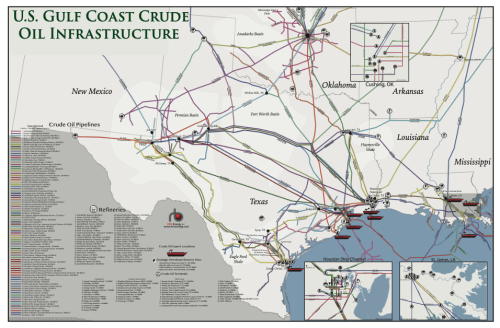
RBN’s US Gulf Coast Crude Oil Infrastructure Map - is up-to-date and provides a clear and comprehensive view into North America’s most dynamic and important crude oil market landscape.
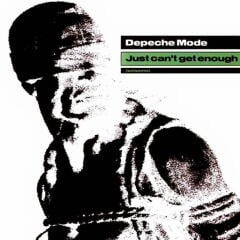
About the song
“Just Can’t Get Enough” was written by Vince Clarke and appears as the 11th cut on Depeche Mode’s debut album, Speak & Spell. The song was released as the band’s first single in the U.S. in February 1982. The song reached #26 on the Billboard Hot Dance Club Play chart. It was recorded at Blackwing Studio in London and was produced by Depeche Mode and Daniel Miller. Ironically, Vince Clarke had left Depeche Mode to form the band Yazoo shortly before the single was released in the U.S.
Speak & Spell was released in October 1981 and is the band’s only album with Vince Clarke, who left to later have success with his bands Yazoo and Erasure. After his departure, most of the band’s writing chores were handled by Martin Gore. The LP would reach #192 on the Billboard Top 200 Albums chart. The title of the record refers to the then-popular “Speak & Spell” electronic kids learning toy. Personnel on the record were: Dave Gahan (lead vocals), Martin Gore (keyboards, guitar and backing vocals), Andy Fletcher (keyboards, bass and backing vocals), and Vince Clarke (keyboards, guitar, lead and backing vocals).
Depeche Mode is an English electronic band formed in Essex in 1980. They have released 14 studio albums and sold over 100 million records worldwide. Billboard magazine named them the most successful dance club artist of all time in 2016. The group’s most recent tour included stops in Latin America, North America, and Europe in 2018. A digitally restored edition of the group’s 1989 concert and film documentary, Depeche Mode 101, was released in December 2021.




Comments