
Blueknight Energy Partners’ 100 Mb/d Knight Warrior pipeline is currently under construction and due online in Q2 2016 to deliver crude from the developing Eaglebine play to the Houston Ship Channel. It complements the 60 Mb/d Sunoco Logistics Eaglebine Express pipeline to Nederland, TX that opened last December. Today we discuss how the promising but relatively complex nature of Eaglebine drilling could scare off producers until prices move substantially higher than today’s levels.
It’s been a year since we took an in-depth look at the Eaglebine play (also known as Eagle Ford East and East Eagle Ford), and a lot’s happened. For one thing, the price of West Texas Intermediate crude oil has fallen sharply (from about $90/Bbl then to less than $50/Bbl now); for another, the first oil pipeline out of the Eaglebine (Sunoco Logistics’ Eaglebine Express) has been completed and can now move up to 60 Mb/d to its Nederland crude terminal in Port Arthur, TX. As we said in our last update on the Eaglebine, the play is located on the northeastern trend of the Eagle Ford where the Eagle Ford Shale meets the Woodbine Sandstone (see Figure 1). Most of the drilling in the Eaglebine has taken place in these counties (in order of June 2015 oil production volumes, highest to lowest): Brazos, Madison, Leon, Grimes, Polk and Walker. The play got off to a slower start than the Eagle Ford, in part because the Eaglebine formation (up to 1,000 feet thick, and found at depths of between 6,500 and 15,000 feet) has been more complex for drillers to exploit. The Eaglebine and Eagle Ford share similar geology--both are situated above the Buda Formation and below the Austin Chalk—but the Eagle Ford is a carbonate rich organic, while the Eaglebine contains a large percentage of silica-rich sands interlaced in the organic rich shale, and that makes Eaglebine completion and production complicated. Still, the Eaglebine has high hydrocarbon potential, including a mixture of oil and condensate liquids. In other words, it’s too promising a play to ignore, particularly given its proximity to Gulf Coast refineries.
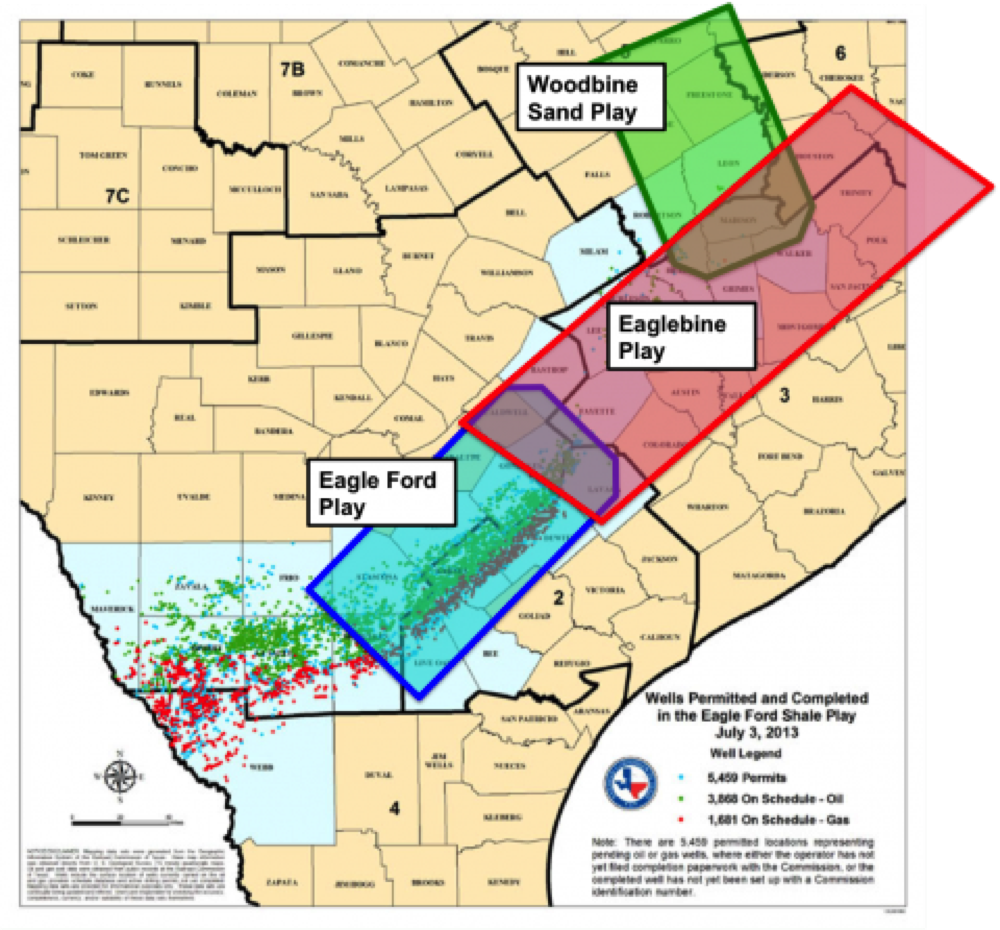
Figure 1; Source: Texas Railroad Commission
Still, until the end of last year, there were no pipelines to move crude from the Eaglebine to Gulf Coast refineries. Instead, producers had no choice but to move crude out of the play by truck—a not-very-efficient process, and also a costly one (an estimated $5/Bbl). Sensing an opportunity, Sunoco Logistics stepped in; it repurposed and reversed the flow direction of its existing Mag-Tex refined product pipeline between Hearne and Hebert, TX, and built a new 5-mile pipeline from Hebert to Sunoco’s 25 MMBbl Nederland crude terminal (see Million Barrel Quarter). The 60 Mb/d Hearne-to-Nederland pipeline, known as the Eaglebine Express, has been in operation since the fourth quarter of 2014. A second (and even bigger) crude-takeaway project out of the Eaglebine is now under construction: Blueknight Energy Partners’ (BKEP) Knight Warrior Pipeline, which will have two origination points (eastern and western Madison County; see Figure 2) near the heart of the Eaglebine, and which will move up to 100 Mb/d south to Enterprise Products Partners’ terminal (formerly Oiltanking Partners’) on the Houston Ship Channel (see Starship Enterprise). Knight Warrior, which is expandable to 200 Mb/d, is planned to begin operation in the second quarter of 2016. The $300 million project is supported by long-term shipper commitments, led by anchor shipper Eaglebine Crude Oil Marketing (EBCOM), a joint venture of Dutch energy trader Vitol (which owns 50% of BKEP) and marketer SEI Energy. EBCOM has been lining up additional long-term commitments to Knight Warrior, and has said it expects the pipeline to be fully subscribed by the time it opens.

About the song
“I Heard It Through the Grapevine” was a 1967 hit for Gladys Knight & the Pips and a 1968 hit for Marvin Gaye. Gaye’s version is a soul classic, and has been inducted into the Grammy Hall of Fame for its “historical, artistic and significant” value.