
- Blog

Down To The River – Growing Crude-by-Barge Traffic on the Ohio River

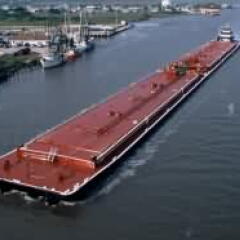
While Energy Information Administration (EIA) estimates of crude-by-barge traffic between the Midwest and the Gulf Coast have fallen sharply in the past 18 months, shipments down the Ohio River to Texas and Louisiana refineries have increased threefold – peaking at just under 70 Mb/d in May 2015. Growing barge shipments have been accompanied by midstream investment in barge dock facilities – especially in Ohio. Today we discuss increased shipments of ultra light crude condensate to Gulf Coast refineries on the Ohio River.


- Blog

Down To The River – Crude Inland Barge Traffic Tumbles As Differentials Narrow

Data from the Energy Information Administration (EIA) shows that inland barge movements between the U.S. Midwest and the Gulf Coast increased 10 fold between January 2011 and October 2013 to nearly 160 Mb/d in response to soaring crude production and pipeline congestion. Since then barge traffic on the Mississippi River (the main waterway between the two regions) plunged 80% to 27 Mb/d in April 2015 – the latest month reported. Today we explain why.

- Blog

Texas Bound and Flyin’ – Strained Gulf Coast Crude Infrastructure Under Threat of Disruption

In the eight weeks since January 24, 2014 crude oil stocks in the Gulf Coast region grew by 34 MMBbl to reach record levels. Much of the crude pouring into the Gulf Coast is coming by pipeline from Cushing where stocks have been draining over the same period. In addition the Gulf Coast is receiving increased domestic and Canadian supplies from the Midwest via waterway and rail as well as by pipeline from the Permian Basin and by pipeline and barge from the Eagle Ford. Existing Gulf Coast infrastructure is being strained by the challenge to stage crude supplies to area refineries. Today we describe increasing flows of crude into the Gulf Coast region.

- Blog

Rock the Boat, Don’t Rock the Boat—Crude-by-Water and the Jones Act

Author Housley Carr

Much like the “crude-by-rail” phenomenon, the burgeoning interest in transporting crude oil by tanker or tanker barge to U.S. refineries represents an innovative answer to a simple question: What is the best, most cost-effective way to move growing domestic and Canadian oil production from the wellhead to refineries? Using waterborne transportation to move crude to market requires a comprehensive understanding of the Merchant Marine Act of 1920—better known as the Jones Act—which regulates maritime commerce in U.S. waters and between U.S. ports. RBN’s latest Drill-Down Report provides a thorough review of the law and its impact on crude oil markets.  In today’s blog we examine the highlights of – Rock the Boat, Don’t Rock the Boat— Impact of the Jones Act on U.S. Crude Oil Markets.

- Blog

Rock The Boat Don’t Rock The Boat – The Inland Crude Tank Barge Fleet

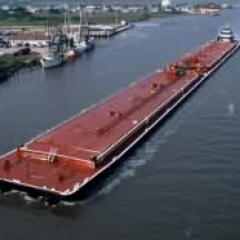
There are approximately 3,350 inland tank barges in the US that are all part of the Jones Act fleet. These barges move crude oil, refined products and petrochemicals along 12,000 miles of navigable inland waters – most along the Mississippi River system. Crude by barge traffic has grown 8 fold in the past three years and barges are over 90 percent utilized. Most of the increasing volume of crude moving from the Midwest to the Gulf Coast by barge is coming from Canada by pipeline and loading onto barges in Illinois. Today we review barge movements along the Mississippi River.

- Blog

Good Year For The Barges – Part 2

Capacity utilization rates for small inland tank barges (10-30 MBbl) this year are sky high at 90-95 percent. Tank barges are being used to move crude oil shipped by rail from North Dakota and Canada to ports on the Mississippi River for transfer to Gulf Coast refineries. Low water levels caused by drought conditions in the Midwest have hampered Mississippi barges but that has not deterred companies from developing new terminal facilities to handle the traffic. Today we review inland waterway tank barge crude movements.