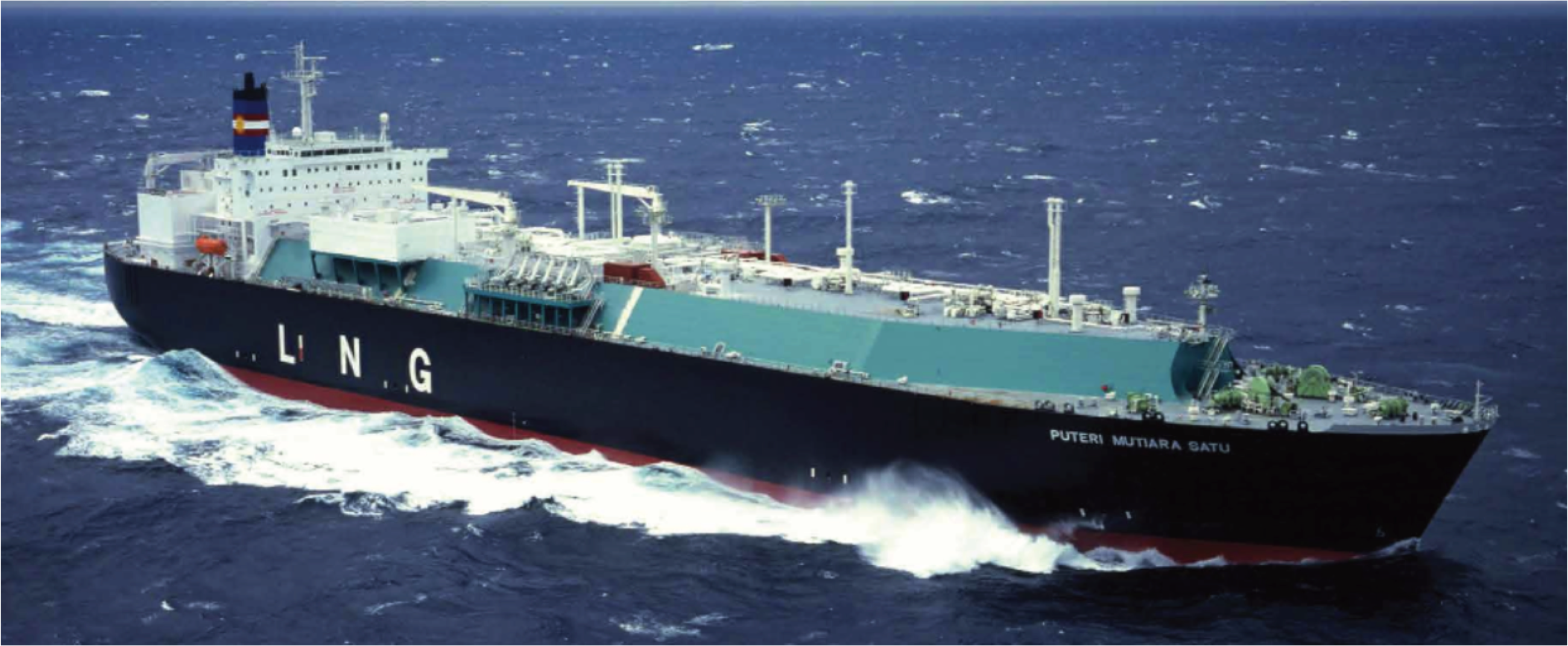
Heightened worldwide competition among LNG exporters is forcing a reality check on projects. LNG buyers, most of them in the Asia/Pacific region, are pressing for prices that more closely track natural gas value at the source—plus the known or calculable costs of liquefaction and shipping. Projects whose capital costs put their LNG pricing out of the money will not find the buyers they need to make their projects a “go.” The 16 or more LNG export projects under development in Western Canada are going through a winnowing process of sorts right now, largely because all are greenfield efforts and all but the smallest projects require new, expensive pipeline capacity to move their gas to port. Today in the third blog in our series on Western Canadian LNG exports, we examine the remaining field of contenders, including some floating or barge-based proposals that may gain an edge.
Western Canada needs new markets for both its shale and conventional gas, the Asia/Pacific region needs more LNG, and at least two dozen companies—many of them in joint ventures—are developing export projects in northern British Columbia (BC) to marry those needs. Canada’s National Energy Board (NEB) has approved export licenses for nine LNG export projects in BC that, if all built, would demand a total of up to 16 Bcf/d of Western Canadian natural gas. Still more projects are planned. But the biggest LNG export booster of them all, BC’s provincial government, sees only a few projects with a combined gas through-put of 3.5 Bcf/d (to produce up to 25 million metric tons/year, or MMTA, of LNG) will be online by 2023. So the real questions are, can BC LNG projects compete with projects on the US Gulf and West coasts and, if so, which BC projects are most likely to get off the ground?
In the First Episode of this series, we discussed how Western Canada needs new markets for its natural gas, particularly if it wants to take fuller advantage of the large reserves of shale gas waiting to be tapped in the Horn River/Liard basins in northeastern BC and the Montney play in northeastern BC and Alberta. We also looked at how LNG exports to the Asia/Pacific region are seen as the best hope. But no BC export project is a sure thing yet, and LNG sales and purchase agreements (SPAs) with utilities and others in the Asia/Pacific region have been slow in coming. We listed and described the six primary impediments that the developers of LNG export facilities face: 1) growing but still limited demand for LNG in Asia/Pacific, 2) the “Asian buyers club” intent on reducing LNG prices, 3) the risk of project cost inflation (especially in remote areas like northern BC), 4) the need to build expensive pipeline capacity to move gas to the BC coast, 5) First Nation and environmental concerns, and 6) the likelihood of BC LNG taxes that would further squeeze project economics.
Source: Pacific Northwest LNG
About the song
“Slip Sliding Away” was written by Paul Simon and has appeared on the compilation albums Greatest Hits, Etc. and Negotiations and Love Songs. The song was originally recorded and slated for release on Simon’s 1975 album, Still Crazy After All These Years, but at the last minute Simon decided not to include it on the album. Released as a single in October 1977, it went to #5 on the Billboard Hot 100 and #4 on the Easy Listening Singles charts. It has been certified Gold by the Recording Industry Association of America. Personnel on the record were: Paul Simon (lead vocals, acoustic guitar), Anthony Jackson (Bass), Richard Tee (Fender Rhodes electric piano), Steve Gadd (drums), Ralph McDonald (percussion), and The Oak Ridge Boys (backing vocals).
Simon was half of the popular duo Simon & Garfunkel, which was officially formed in 1964 and sold millions of records until their breakup in 1970. A little-known fact is that Paul Simon and Art Garfunkel had been a team since they were teenagers. Under the name Tom & Jerry, the duo got a record deal in 1957 with the independent New York record label, Big Records. They had a minor hit with the Simon-penned “Hey Schoolgirl,” which went to #49 on the Billboard Hot 100 Singles chart and led to an appearance on American Bandstand with Jerry Lee Lewis, who was promoting “Great Balls of Fire” at the time. Between 1957 and 1964, Simon wrote, recorded, and released more than 30 records.
As a solo artist. Paul Simon has released 15 studio albums, three live albums, 11 compilation albums and 15 singles. He has won 16 Grammy Awards and a Grammy Lifetime Achievement Award, and has been inducted into the Rock and Roll Hall of Fame twice: as a member of Simon & Garfunkel in 1990 and as a solo artist in 2001. He continues to write and record, and to make occasional public appearances. He released his 15th solo studio album, Seven Psalms, in May 2023. It went to #25 on the Billboard Top Rock Albums chart and #153 on the Billboard 200 Albums chart.