The energy industry in North America is in crisis. COVID-19 remains a remarkably potent force, stifling a genuine rebound in demand for crude oil and refined products — and the broader U.S. economy. Oil prices have sagged south of $40/bbl, slowing drilling-and-completion activity to a crawl and imperiling the viability of many producers. The outlook for natural gas isn’t much better: anemic global demand for LNG is dragging down U.S. natural gas prices — and gas producers. The midstream sector isn’t immune to all this negativity. Lower production volumes mean lower flows on pipelines, less gas processing, less fractionation, and fewer export opportunities. But one major midstreamer, Enbridge Inc., made a prescient decision almost three years ago to significantly reduce its exposure to the vagaries of energy markets, and stands to emerge from the current hard times in good shape — assuming, that is, that it can clear the major regulatory challenges it still faces. Today, we preview our new Spotlight report on the Calgary, AB-based midstream giant, Enbridge, which plans to de-risk its business model.
In observance of today’s holiday, we’ve given our writers a break and are revisiting a recently published blog on our last Spotlight Report on Enbridge, Inc. If you didn’t read it then, this is your opportunity to see what you missed! Happy Thanksgiving!
Spotlight is a joint venture of RBN Energy and East Daley Capital Advisors. With the support of Oil & Gas Financial Analytics, Spotlight reports provide “deep dives” into the fundamentals that shape the outlook for midstream energy companies and are included as part of our Drill Down report series, which is available to RBN Backstage Pass members. Spotlight should not be viewed as investment advice.

“No risk, no reward.” It’s one of the oldest business adages out there, and there’s a lot of truth in it. But in a time of pandemic, demand destruction, production shut-ins, and capex cutbacks, there’s also a lot to be said for minimizing your company’s exposure to commodity price volatility, supply/demand imbalances, and the other market ups and downs faced by many energy industry players. The midstream sector, with its fee-based business model and contract protections such as minimum volume commitments, is generally less exposed to the industry’s scariest volatility than producers, oilfield service companies, and refineries, but even midstreamers face varying degrees of risk, depending on the particulars of their assets and their business structure. For evidence, consider Enbridge, North America’s largest energy infrastructure firm, which since December 2017 has been implementing a defensive strategy to minimize its exposure to commodity price risk and ramp up its reliance on long-term, fixed-price contracts.
About the song
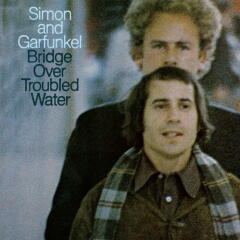
"Bridge Over Troubled Water" was written by Paul Simon, and appears as the first song on Simon & Garfunkel's fifth and final studio album of the same name. The song’s vocals were recorded in November 1969 at Columbia Studio B and E in New York City in November 1969, and the instrumentation was recorded the same month at CBS Columbia Square in Los Angeles. Paul Simon says the tune was written over a very short amount of time. Released as the second single from the album in January 1970, the song went to #1 on the Billboard Hot 100 Singles chart. It would become the biggest hit single for the duo of their career. The song won five Grammy Awards in 1971, including Record of the Year and Song of the Year. It has been covered by more than 50 artists, and has been certified Gold by the Recording Industry Association of America (RIAA). Personnel on the record were: Art Garfunkel (lead vocals), Paul Simon (backing vocals, acoustic guitar), Larry Knechtel (piano), Hal Blaine (drums), Joe Osborn (bass), Fred Carter Jr. (electric guitar), Gary Coleman (vibraphone), and Jimmie Haskell and Ernie Freeman (strings).
The album Bridge Over Troubled Water was produced by Paul Simon, Art Garfunkel, and Roy Halee. Released in January 1970, it went to #1 on the Billboard Top 200 Albums chart, and has been certified 8X Platinum by the RIAA. Four singles were released from the LP. A 72-minute documentary about the making of the album, The Harmony Game, was released in 2011.
Simon & Garfunkel are an American folk-rock duo formed in New York City in 1957, when they went under the name Tom & Jerry. They started using their real names when they signed a record deal with Columbia Records in 1963. The duo officially broke up in 1970, after releasing Bridge Over Troubled Water, the most successful record of their career. They have sold more than 100 million records worldwide and have released five studio albums, four live albums, one soundtrack album, 13 compilation albums, one EP, and 26 singles. Simon & Garfunkel have won one Brit Award, nine Grammy Awards, four Grammy Hall of Fame Awards, and a Grammy Lifetime Achievement Award. They were inducted into the Rock and Roll Hall of Fame in 1990. Both artists have gone on to successful solo paths since the duo's breakup, Garfunkel as a solo music artist and actor, and Simon as a music artist. They reunited for a tour in 2009, and a one-off concert at the New Orleans Jazz & Heritage Festival in 2010, but have not worked together since. Simon retired from performing in 2018.