When it comes to hydrogen regulation, there are two buckets. The first includes safety and environmental regulations related to building and operating facilities that produce, transport, store, and consume hydrogen. There’s not much mystery here, just a multitude of rules from various organizations in place to cover the physical side of the hydrogen industry. That said, as hydrogen use is expected to grow over time, this bucket of regulation is likely to expand and maybe morph. The second bucket includes rules that are designed to provide market structure and incentives for hydrogen. This bucket is mostly empty, though, and for hydrogen markets to succeed, it will need to be filled up. Put another way, hydrogen needs rules and incentives that make it clear the powers-that-be want hydrogen to be around and thriving. In today’s blog, we look at existing hydrogen regulations and highlights the gas’s need for further regulatory incentives and clarity.
We’ve talked a lot about hydrogen production over the last few weeks, particularly in our last blog, You Can Make It If You Try, where we summed up what we’ve learned so far on the production front. We’ve also covered the basics of understanding hydrogen’s fuel content and conversion factors in blogs like Help and I Did It. For the most part, we have tried to stay out of some of the murkier areas of the developing hydrogen market and just lay the groundwork for understanding this fuel. But we’re getting to the point in our “Hydrogen 101” course where some of the more difficult topics need to be tackled. One of those areas is regulation, whether it’s a discussion of safety and environmental rules or the incentives needed to develop a flourishing hydrogen market.
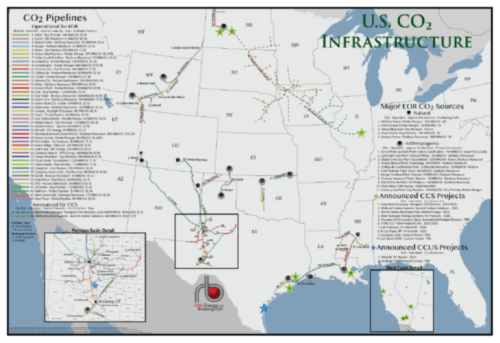
RBN Energy’s US CO₂ Infrastructure map brings together legacy Enhanced Oil Recovery (EOR) assets, as well as announced large-scale Carbon Capture and Sequestration (CCS) and Carbon Capture, Utilization and Sequestration (CCUS) projects, all in our signature concise, accurate, and intelligible style.
While there are at least some established rules and policies in place regarding hydrogen, in many ways the regulation of hydrogen markets remains a work in progress. When emerging energy market regulation comes up, we often lean on our friends at Eversheds Sutherland. This was the case a few years back when the condensate export markets were developing, and we see some parallels between that situation and what’s happening with hydrogen now. Which is why today’s blog is a collaboration between RBN and our friends at Eversheds Sutherland, particularly today’s co-authors, David McCullough and Nicholas Hillman.
About the song
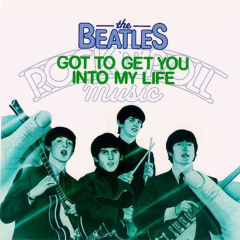
"Got to Get You Into My Life" was written by John Lennon and Paul McCartney, but is really known as “a Paul song." It appears as the sixth track on side two of The Beatles' seventh studio album, Revolver. The song was recorded in April 1966 at EMI (Abbey Road) Studios in London, but would not be released as a single until 1976, six years after the band had broken up, when it appeared on the compilation album, Rock 'n' Roll Music. It went to #7 on the Billboard Hot 100 Singles chart, and would be The Beatles’ last Top 10 hit until "Free As a Bird" was released in 1995. McCartney has stated that the tune was his "ode to pot." The Motown/soul-music-influenced song made use of a five-piece horn section on the recording. Personnel on the record were: Paul McCartney (lead vocals, bass), John Lennon (backing vocals, rhythm guitar), George Harrison (backing vocals, lead guitar), Ringo Starr (drums, tambourine), George Martin (organ), and Eddie Thornton, Peter Coe, Les Condon, Ian Hamer, Alan Branscombe (horns).
Revolver was recorded between April and June 1966. Produced by George Martin, it was released in August 1966, and went to #1 on the Billboard Top 200 Albums chart. It has been certified 5X Platinum by the Recording Industry Association of America. The studio album would be the last one released before The Beatles announced their retirement from live performances. It would be followed by Sgt. Pepper's Lonely Hearts Club Band. One single was released from the LP.
The Beatles were a British rock band formed in Liverpool in 1960. The well-known version of the group included John Lennon, Paul McCartney, George Harrison, and Ringo Starr. The Beatles are regarded as the most influential band of all time, and have sold more than 600 million records worldwide. During their 10 years together the group literally changed pop culture before its breakup in 1970. The Beatles released 23 studio albums, five live albums, 54 compilation albums, 36 EPs, and 63 singles, and they have won one Academy Award, one Billboard Music Award, four Brit Awards, nine Grammy Awards, 14 Ivor Novello Awards, one MTV Video Music Award, and three World Music Awards. They are members of the Rock and Roll Hall of Fame, UK Music Hall of Fame, and Vocal Group Hall of Fame. They have received a Grammy Lifetime Achievement Award, and all four Beatles have been knighted by Queen Elizabeth II. John Lennon died in December 1980, and George Harrison in November 2001. Paul McCartney and Ringo Starr continue to record and perform as solo artists.