
- Blog

Straighten Up and Fly Right - Mega Rule Puts All Gas-Gathering Pipelines Under Federal Scrutiny

For decades, gas-gathering pipelines located in rural areas largely escaped the federal scrutiny that was primarily focused on transmission pipelines. But all that has changed with final publication of the so-called Mega Rule, which applies federal pipeline safety regulations to hundreds of thousands of miles of gas-gathering pipelines — previously not subject to federal safety regulation — for the first time. In today’s RBN blog, we look at the history behind the three-part Mega Rule, what it’s designed to do, and the challenges pipeline operators will face to stay in compliance.


- Blog

Got to Get You Into My Life - Hydrogen Markets Looking For Regulatory Attention

Author Jason Ferguson

When it comes to hydrogen regulation, there are two buckets. The first includes safety and environmental regulations related to building and operating facilities that produce, transport, store, and consume hydrogen. There’s not much mystery here, just a multitude of rules from various organizations in place to cover the physical side of the hydrogen industry. That said, as hydrogen use is expected to grow over time, this bucket of regulation is likely to expand and maybe morph. The second bucket includes rules that are designed to provide market structure and incentives for hydrogen. This bucket is mostly empty, though, and for hydrogen markets to succeed, it will need to be filled up. Put another way, hydrogen needs rules and incentives that make it clear the powers-that-be want hydrogen to be around and thriving. In today’s blog, we look at existing hydrogen regulations and highlights the gas’s need for further regulatory incentives and clarity.

- Blog

The Trains They Are A Changin’ – Will New Tank Car Standards Stifle Crude-by-Rail? – Part 2

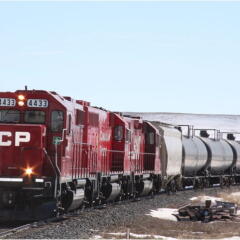
If as appears likely, US regulators impose new rail tank car safety standards by the end of 2014 including the phasing out of older designs, the cost for a new car could be as much as $150,000. Retrofitting older designs to meet new standards could range between $20,000 and $60,000 per car. The resulting higher lease costs, concerns about safety and lingering logistics issues from this past winter are leading to producers looking more favorably at pipeline projects. The latest data this week from North Dakota indicates crude-by-rail traffic out of that State fell by 11.5 % from 693 Mb/d in November 2013 to 614 Mb/d in May 2014. Today we look at the impact of these changes on future crude-by-rail traffic.

- Blog

The Trains They Are A Changin’ – Will New Tank Car Standards Stifle Crude-by-Rail?

The future pace of crude-by-rail growth in North America may depend on rulings expected by the end of 2014 from the US Department of Transport (DOT) concerning rail tank car designs mandated to carry crude oil safely. The costs of replacing or retrofitting the existing tank car fleet to meet such new standards - designed to reduce the risks associated with recent high profile accidents - will pass to rail car lessors and crude shippers who will end up paying higher lease rates. Today in the first of a two part series we look at how the rail industry can comply with new tank car standards.

- Blog

Could New Tank Car Rules Derail the Bakken Crude Boom?

The recent tragic spate of four rail accidents involving crude-by-rail, three of them carrying crude from North Dakota, have increased pressure for regulation of rail tank car standards. The railroad industry- through the Association of American Railroads (AAR) - proposed improved safety standards in 2011 for tank cars carrying hazardous materials including crude oil. These standards have been adopted by US tank car builders and were mandated this week by the Canadian Government for new tank car construction. If the new standards applied to all existing tank cars then at least 75,000 cars manufactured before 2011 would require retrofitting. Today we examine the impact hastily implemented new regulatory requirements might have on Bakken crude oil takeaway.