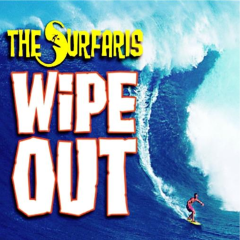
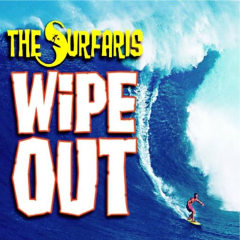
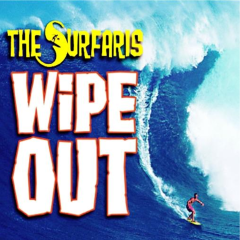
The techniques used to wring increasing volumes of crude oil, natural gas and natural gas liquids (NGLs) out of shale continue to evolve, and as they do, producers are facing mounting costs for securing frac sand and for disposing of produced water from the wells. These costs are squeezing producer profits, and—in an era of sustained low hydrocarbon prices—sometimes even flip production economics from favorable to unfavorable. Today we continue our surfing-themed series on sand costs and water-disposal expenses with a look at how sand use in shale plays has evolved—and how these changes affect the bottom line.
In Part 1 of this blog series, we discussed how the trend toward much longer laterals and high-intensity well completions has significantly increased the volume of frac sand being used, with some individual well completions using enough sand to fill 100 railcars or more. We also noted that an even bigger concern for many producers is the rising cost of disposing of produced water—that is, the water that emerges with hydrocarbons from these supersized wells. As we said in Tales of the Tight Sand Laterals, freeing the vast amounts of oil, gas and NGLs trapped in shale and tight sands requires horizontal drilling to access the long, horizontal layers where the trapped hydrocarbons reside, and proppant (natural sand, ceramics and resin-coated sand) that, when forced out of the horizontal portion of wells at high pressure (using water and other fluids), fracture openings in the surrounding shale/tight sands. When the pressure is released, the fractures attempt to close but the proppant contained in the fluids keeps them open, making a ready path for oil, gas, NGLs and produced water to flow into the well bore.

Visualize the infrastructure behind U.S. NGL movement.
The U.S. NGLs Map provides a comprehensive view of the transport, processing, and export networks moving NGLs across the U.S.
Today, we’ll discuss the evolution of frac sand use, including ongoing shifts in the types of sand that are preferred and in the volume of sand being used in each type of well. Then we’ll consider sand logistics—which, given that the most in-demand sand is mined in the Upper Midwest, account for a significant share of total sand costs—and lay out the challenges that producers face in securing the sand they need without breaking the bank. (The costs associated with produced-water disposal will be covered later in this series.)
About the song
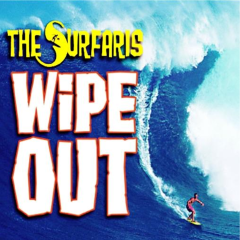
"Wipe Out" was written by Bob Berryhill, Pat Connolly, Jim Fuller and Ron Wilson (The Surfaris), and is the first cut on side one of The Surfaris' album of the same name. The band wrote the song on the spot in the studio for the B side of the single, "Surfer Joe." All of The Surfaris were in their mid-teens when they wrote “Wipe Out.” It is based on the same format as Preston Epp's 1959 hit, "Bongo Rock." Featuring an infectious drum beat throughout the song, the tune begins with a reverb-drenched sound of a board breaking, intended to sound like a surfboard breaking in two. This is followed by a manic voice saying, "Ha, ha, ha, ha, ha ... wipe out!" The Surfaris' manager, Dale Smallin, provided the recitation intro. Initially released in January 1963 on the independent label, DFS, then released again in February 1963 on the Princess label, the song became a hit after it was picked up for national distribution by Dot Records in April 1963. Dot quickly followed up with an album centered around "Wipe Out." The single went to #2 on the Billboard Hot 100 Singles chart. Personnel on the record were: Bob Berryhill (rhythm guitar), Jim Fuller (lead guitar), Pat Connolly (bass), Ron Wilson (drums) and Dale Smallin (recitation).
The Wipe Out LP, including its title track, was recorded at Pal Recording Studio in Cucamonga (now named Rancho Cucamonga), CA. During the recording, The Surfaris added saxophonist Jim Pash to the band. Richard Delvy produced the sessions. Delvy was a pioneer in the surf music scene, starting out as the drummer for The Bel-Airs, before going on to become a composer, arranger, music publisher, manager and record producer.
The Surfaris were an American surf rock band formed in Glendora, CA, in 1962. They are known for the hit records "Surfer Joe" and "Wipe Out,” which were the A and B sides of the same single. They have released nine studio albums and seven singles. "Wipe Out" has appeared on various compilation albums, and is featured in several television shows and movies. Original band member Bob Berryhill still occasionally performs with a band called The Surfaris. Pat Connolly left the music business in 1965. Ron Wilson died in 1989, followed by Jim Pash in 2005 and Jim Fuller in 2017.