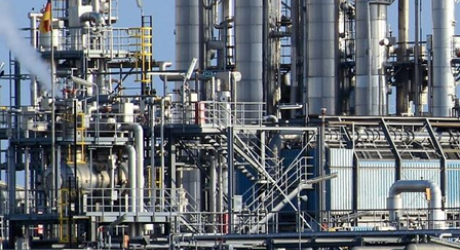
Twelve’s AirPlant One, which it bills as the first commercial-scale facility in the U.S. to produce sustainable aviation fuel (SAF), has begun operations in Moses Lake, WA, the company said June 10. Referred to by Twelve as E-Jet fuel, it is an alternative to traditional jet fuel made from carbon dioxide (CO2), renewable electricity and water.
Jet fuel is the third-most-consumed transportation fuel in the U.S., accounting for about 10% of the total, and its high energy density — combined with the high reliability and efficiency of today’s jet engines — enables modern aircraft to fly long distances without refueling (see Come Clean). But barring a major technological breakthrough in batteries or other alternatives, the most viable option to achieve significant reductions in greenhouse gas (GHG) emissions from the aviation industry is to replace an increasing share of the jet fuel consumed with SAF. As we noted in Just a Little Bit Better, electrofuels (also referred to as e-fuels) like SAF and renewable diesel (RD) are an emerging type of alternative fuel that serve as a drop-in replacement for traditional fuels and also contribute to a reduction in net CO2 emissions.
AirPlant One also produces E-Naphtha, which is chemically identical to traditional naphtha and serves as a drop-in substitute for thousands of everyday products, including plastics, packaging, solvents and synthetic fibers.
For more on the plant and the role hydrogen plays in the production process at AirPlant One, see this week's Hydrogen Billboard report.