


There is a fundamental difference in the way value is established in renewable, decarbonized energy markets versus traditional commodities. In traditional energy markets, value is defined by natural laws — physics, chemistry, geography. But in the world of renewables and decarbonization, value is primarily determined by man-made laws — RULES that specify what a particular flavor of energy is worth, what is required to prove that worth, and how that value is ultimately captured by market participants. In effect, a molecule’s (or electron’s) pedigree is as important — if not more important — than its energy content. Whether you are deep into renewables markets or you deal with energy commodities that are impacted by the rules, it is critically important that you understand everything about how these rules work and how they are regulated. In today’s RBN blog we’ll begin an exploration into the inner workings of energy transition market mechanisms.

The replay of our Fall 2026 School of Energy (September 9 & 10, Houston) is now available online!
Learn from RBN experts, participate in hands-on Excel modeling, connect with industry peers, and gain a stronger understanding of today's interconnected energy markets.
It’s all about those rules. Here’s some examples of what we’re talking about:
Perhaps the most significant is the California LCFS — the state’s Low Carbon Fuel Standard. In the LCFS, each energy commodity or source (called a pathway) — and there are hundreds of them — has a carbon intensity “score” or CI. That score is determined by a methodology — an algorithm, based in part on targets laid out in California Assembly Bill 32 and Executive Order S-01-07, which are the basis for rules promulgated by the California Air Resources Board (CARB). It really comes down to this: Deliver low-CI energy within the guidelines, get a credit; deliver high-CI energy, pay a penalty. To get the credits, which can be quite lucrative, you just need to follow the rules (see Come Clean).
Another example is the federal Renewable Fuel Standard Program (RFS). It doles out credits and penalties based on Renewable Identification Numbers (RINs), which are effectively scores based on the feedstock used, the fuel type produced, energy inputs, greenhouse gas reduction, and all sorts of other factors (see The RIN And Stimpy Show).
And a third example is the federal 45Q carbon sequestration tax credits for the disposal of carbon dioxide (CO2). It works for you if the CO2 comes from approved sources using approved technologies and, in some proposed legislation, using approved workers (see Way Down In The Hole, Part 3).
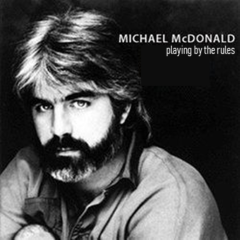
About the song
"Playin' by the Rules" was written by Michael McDonald and Ed Sanford. It appears as the first track on Michael McDonald's debut solo album If That's What It Takes. The album was recorded at Warner Brothers Studio in North Hollywood and Sunset Sound in Hollywood, with string overdubs done at Ocean Way Recording in Los Angeles in 1981-82. It was produced by Lenny Waronker and Ted Templeman, and released in August 1982. The album went to #6 on the Billboard 200 Albums chart. Personnel on "Playin' by the Rules" were: Michael McDonald (lead and backing vocals, electric piano, synthesizer), Willie Weeks (bass), Steve Gadd (drums), Dean Parks (guitar), Greg Phillinganes (piano), Edgar Winter (sax), Bobby LaKind and Lenny Castro (percussion), and Ed Sanford (backing vocals).
Michael McDonald is an American singer-songwriter, keyboardist and record producer. In addition to his solo work, he was a member of The Doobie Brothers and Steely Dan. He wrote and sang lead vocals on several hits for The Doobie Brothers. McDonald has sung backing vocals for several other artists’ records over the years. He has released nine solo albums, one live album, six compilation albums, five Christmas albums and 26 singles as a solo artist. He has won five Grammy Awards as a member of The Doobie Brothers. He continues to record as a solo artist and is touring again with his old Doobie Brother bandmates this summer and fall.




Comments
A question for Rusty: How well do you think refining, blending, and marketing companies are doing today what you did for Skelly in the 1970's, that is, knowing the rules like the back of your hand and applying that knowhow most effectively for the business?