


When prospective investors look at a company’s U.S. or Canadian regulatory filings, many of them may mistakenly believe they are getting a complete and accurate assessment of the crude oil, natural gas and natural gas liquids (NGLs) that could technically and economically be produced from the acreage the company controls. In fact, the rules governing the tallying of proved reserves are anything but straightforward and often result in a significant underestimation of the hydrocarbon volumes waiting to be produced. That is particularly true when it comes to reserves in shale plays, which many would argue are the most important reserves of all in today’s energy market. Today we begin a blog series that considers the arcane world of corporate reporting of proved hydrocarbon reserves and the importance of understanding the reporting rules.
The oil and gas business, like real estate, is very much about location, location, location. As we said in Very Particular Places to Go and All the Right Moves — two recent blogs about our Piranha! market study — U.S. oil and natural gas exploration and production companies (E&Ps), anticipating continuing low crude oil and natural gas prices, have been reshaping their portfolios to focus on a half-dozen top-notch resource plays whose production economics can hold up even through the roughest of patches, the Permian and SCOOP/STACK being perhaps the most sought after. In The Thrill Is Gone, we discussed how several major players in the western Canadian oil sands have been voting with their feet — that is, deciding to sell their oil sands assets and focus their efforts on other areas with more favorable production economics. (As a side note, the Potential Gas Committee (PGC), an industry group that looks at overall U.S. gas reserves, said in its biennial Natural Gas Resource Assessment report (released July 19) that the latest data shows higher reserves estimates, all due to shale gas.)

The NATGAS Appalachia weekly report provides the data and insights to monitor the northeast natural gas market’s twists and turns and identify the risks and opportunities along the way, including tracking supply-demand trends, outbound capacity and their impact on takeaway pipeline utilization, and regional prices.
When assessing an E&P’s value and prospects in these particularly cost-conscious times, it may be tempting to turn to the filings that publicly held companies must make to U.S. and Canadian regulators about their businesses and assets, including their oil and gas reserves. There is, of course, much knowledge to be gained from these filings, but it’s important to understand what they are telling you, and what they’re not.
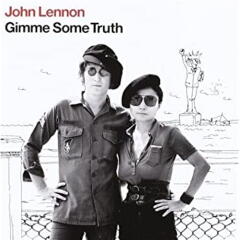
About the song
"Gimme Some Truth" was written by John Lennon and appears as the first song on side two of Lennon's second solo album, Imagine. Work on this song started in January 1969, at The Beatles' Let It Be sessions. There are bootleg recordings of The Beatles performing early versions of this song. "Gimme Some Truth" is a protest song, reflecting Lennon's frustration about what was going on in the world at that time. Personnel on the record were: John Lennon (vocals, electric guitar), George Harrison (electric guitar, slide guitar), Nicky Hopkins (piano), Andy Davis (acoustic guitar), Rod Linton (acoustic guitar), Klaus Voorman (bass), and Alan White (drums).
Imagine was recorded between February and July 1971 at Ascot Sound in Berkshire, England, Abbey Road in London, and The Record Plant in New York City. Produced by John Lennon, Yoko Ono, and Phil Spector, the LP was released in September 1971, and went to #1 on the Billboard Top 200 Albums chart. It has been certified 2x Platinum by the Recording Industry Association of America. A single of the song "Imagine" was released in October 1971 that went to #3 on the Billboard Hot 100 Singles chart.
John Lennon was an English singer, songwriter, and musician. He was the founder, co-lead vocalist, and rhythm guitarist for The Beatles. The songs he co-wrote with Beatles band mate Paul McCartney are some of the most successful songs in music history. After the breakup of The Beatles, Lennon concentrated on his solo career with his second wife, Yoko Ono. He released 11 studio albums, three live albums, 14 compilation albums, and 23 singles. Lennon's solo albums have sold more than 14 million copies in the U.S. Lennon was murdered outside of his Manhattan apartment in 1980.





Comments
Great Idea - at times it seems there is so much black magic in the process of accounting for E&P reserves. Glad you are willing to tackle the issue. Would love to understand a bit better how E&P companies account for depreciation and amortization as well. Especially in relation to the land lease costs with multiple pay-zones which can be economically producible at different commodity price points. This seems especially applicable in the Permian basin with its multiple geological sections with yet to be determined values.
Good Luck