What started out as a novel snow day for parts of Texas, replete with Facebook posts full of awestruck kids and incredulous native Texans, quickly escalated to a statewide energy crisis last week. A lot of the state’s electric generation and natural gas production capacity was iced out just when demand was highest, sending gas and electricity prices soaring and leaving millions without power for days. Frigid temperatures like the ones we saw would register as a regular winter storm in northerly parts of the U.S. and in Canada — but in Texas? A disaster. Market analysts, regulators, and observers will be unpacking the events of the past week — and the many implications — for a long time to come. We may never know the full extent of the chaos and finagling that went on among traders and schedulers behind the scenes as they tried to wrangle molecules. However, we can get some insight into the madness using gas flow data to provide a window into how the market responded and, in particular, the effect on LNG export facilities. Today, we examine the impacts of Winter Storm Uri on Gulf Coast and Texas gas movements.
We discussed last week, in a series of blogs, the effects of Uri on gas heating and electricity demand, and on gas production in the Permian and U.S. Midcontinent. In East is East, West is West, we provided an early assessment of the record demand and prices that resulted from the unprecedented ice storm as it was unfolding. We followed that up in Terminal Frost with a look at the supply impacts, including the effects of freezing temperatures on producer and pipeline operations. And, in Perfect Storm, we considered the operational challenges that the Texas power grid faced, including from gas supply shortages and iced power plants. In short, freeze-offs and power outages debilitated gas producers and production plummeted, causing a major gas supply shortage. Freezing temperatures, along with the gas supply shortage, in turn, crippled power generators, worsening the power shortage.
It got so bad that Texas Governor Greg Abbott ordered that all Texas-produced gas be sold for use within Texas to alleviate the shortage, which may sound reasonable on the surface but left energy market participants scratching their heads. Some questioned whether that order was technically legal, while others considered the practical implications or even feasibility, given the slew of inter- and intrastate pipelines that cross the state — the former of which are federally regulated by the Federal Energy Regulatory Commission (FERC) and don’t fall under state jurisdiction — and long-term contracts that shippers hold for capacity on those pipelines. At least one interstate system, Kinder Morgan’s Natural Gas Pipeline of America (NGPL), said in a notice to customers that it did not expect the mandate to “affect service obligations of our interstate pipelines regulated by the Federal Energy Regulatory Commission” but that it would “rely on each customer’s determination of the applicability of the order to their own operations.”

The NATGAS Appalachia weekly report provides the data and insights to monitor the northeast natural gas market’s twists and turns and identify the risks and opportunities along the way, including tracking supply-demand trends, outbound capacity and their impact on takeaway pipeline utilization, and regional prices.
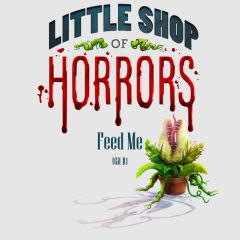
About the song
"Feed Me (Git It)" was written by Howard Ashman and Alan Menken. It appears in the film version of Little Shop of Horrors, the 1986 American horror black comedy film, directed by Frank Oz. The film is based on the 1982 off-Broadway musical comedy by Ashman and Menken, which was based on the 1960 film of the same name by Roger Corman. The film starred Rick Moranis, Ellen Greene, Vincent Gardenia, Steve Martin; and it featured Levi Stubbs (of the Four Tops) as the voice of Audrey II, the evil flytrap with plans to take over the planet. "Feed Me (Git It)" appears as the eighth song on the Little Shop of Horrors film soundtrack and is performed by Levi Stubbs and Rick Moranis.
The Little Shop of Horrors soundtrack album was released in February 1987 and went to #47 on the Billboard Top 200 Albums chart. The soundtrack featured many of the artists who appeared in the film. Five singles were released from the album. The film made $39 million at the box office and remains a popular cult movie to this date.