It’s been about a year and a half since Next Wave Energy Partners opened its Project Traveler facility, a milestone in the energy industry. Overall, Project Traveler has exceeded production expectations and proven the innovative approach of combining ethylene and isobutane to produce high-quality alkylate. In today’s RBN blog, we’ll look at what’s been accomplished so far and dive into what’s ahead for Next Wave.

We first mentioned Next Wave’s ethylene-to-alkylate project (see photo below) back in 2020 in Drive My Car. (We also discussed it in Keeps Getting Better, Part 1 and Part 2, and, most recently, in Traveler.) It is a unique, standalone alkylation facility, with no crude oil processing involved. Instead, the feedstock is ethylene, which is converted to butylene in a dimerization unit and then further converted to alkylate in a conventional sulfuric acid (H2SO4) alkylation unit. (More on this below.)
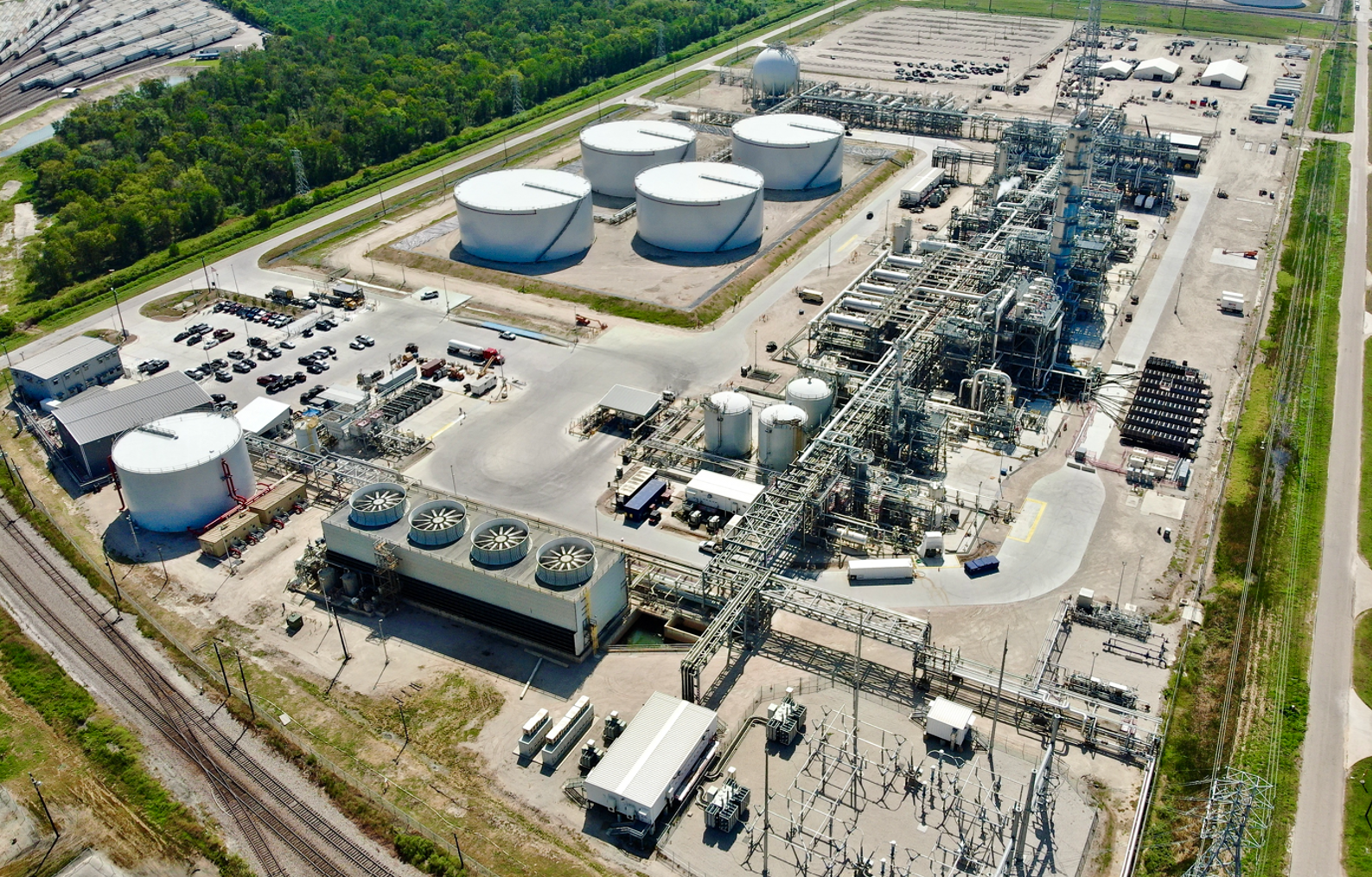
Figure 1. Next Wave’s Project Traveler in Pasadena, TX. Source: Next Wave
As a brief refresher, gasoline is a blend of many hydrocarbon components (including alkylate) that, in combination, meet certain specifications. It’s up to refineries and gasoline blenders to come up with gasoline recipes that satisfy the requirements of specifications like Reid Vapor Pressure (RVP), octane and sulfur content. As you’re reminded with each visit to the pump, there are at least three octane-based grades of gasoline; the standard ones in most of the country are 87 (regular), 91 (midgrade) and 93 (premium). The octane number — the closer to 100 the better — indicates how much a fuel can be compressed before it self-ignites, which causes “knocking” in your engine, while RVP measures how easily a fuel vaporizes — typically the lower the better for emissions reasons.
Blendstocks that are high in octane and low in RVP, benzene and sulfur content are the most desirable for refineries and gasoline blenders. Alkylate, typically produced at crude oil refineries with fluid catalytic cracking units (FCCs), is perhaps the major gasoline component with the best combination of these four qualities: octane of 90 to 96, RVP of 3 to 6 pounds per square inch at atmospheric pressure (psia), zero benzene content, and sulfur content of only 5 to 15 parts per million (ppm).
PADD 1 Propane Stocks Show Unseasonal Weekly Draw
While overall gasoline demand in the U.S. has remained relatively flat over the past several years, demand for higher-octane grades (midgrade and premium) has grown. A major reason for this is the push to increase the fuel efficiency of internal-combustion-engine (ICE) vehicles using higher compression and turbocharged engines, which require higher-octane fuels. Another factor incentivizing the production of high-octane components is the “lightening” of U.S. refiners’ crude slates due to the Shale Boom. When higher-API shale oil barrels are refined, they produce more naphtha, which has a low octane number and therefore needs to be “blended up” with high-octane components like alkylate in the gasoline pool. An important fact to note is that existing refineries can’t do much to ramp up their alkylate production (typically representing about 15% of the total gasoline pool) because they already run full in almost all circumstances.

About the song
"On Top of the World" was written by Ben McKee, Dan Platzman, Dan Reynolds, Wayne Sermon, and Alexander Grant. It appears as the fifth song on Imagine Dragons' debut studio album, Night Visions. The song is a celebratory paean to the band's success after years of struggle. It has been featured in motion pictures, television shows, ads, and video games. Released as a single in March 2015, it went to number ten on the Billboard Hot Rock & Alternative Songs and number 79 on the Billboard Hot 100 Singles charts. It has been certified 5x Platinum by the Recording Industry Association of America. Personnel on the record were: Dan Reynolds (lead vocals), Wayne Sermon (guitars, backing vocals), Ben McKee (bass, backing vocals), and Dan Platzman (drums, drum machine, backing vocals).
Night Visions was recorded between 2009 and July 2012 at Studio at The Palms in Paradise, Nevada, Battle Born in Winchester, Nevada, and Westlake in Los Angeles. Produced by Alex da Kid, Brandon Darner, and Imagine Dragons, it was released in September 2012 and went to number two on the Billboard 200 Albums chart. It has been certified 8x Platinum by the RIAA. Five singles were released from the LP.
Imagine Dragons is an American pop-rock band formed in Las Vegas in 2008 by Dan Reynolds, Wayne Sermon, and Ben McKee. They have released six studio albums, four live albums, a compilation album, 10 EPs, and 27 singles. They have won three American Music Awards, eight BMI Pop Music Awards, a Grammy Award, an MTV Video Music Award, and a World Music Award. Ten touring musicians have passed through the group since its inception. They recently released a concert film, Imagine Dragons: Live From the Hollywood Bowl, that appeared at selected theaters. Their Loom World Tour begins in May 2025.