U.S. oil, natural gas and NGL markets are more interconnected than ever — with each other and with global dynamics. The deep connections we see today have evolved in the 15 years since the start of the Shale Revolution, and in recognizing how the various segments have impacted one another, we can better explain how they are driving today’s markets. That was the focus of our Fall 2023 School of Energy and it’s the subject of today’s RBN blog, which (warning) is a blatant advertorial for School of Energy Encore, a newly available online version of our recent conference.
The replay of our Fall 2026 School of Energy (September 9 & 10, Houston) is now available online!
Learn from RBN experts, participate in hands-on Excel modeling, connect with industry peers, and gain a stronger understanding of today's interconnected energy markets.
The School of Energy conference, as the name implies, is designed to teach energy professionals what they need to know about the U.S. energy industry. We begin with the basics — the fundamentals of how domestic energy markets function — in Module 1. As we do, we provide context for how these markets developed to where they are today and insight into how they are fundamentally interconnected. The first, most basic connection we covered at the School of Energy was the common origin of crude oil, natural gas and NGLs. While the mix of those commodities varies widely from basin to basin and even well to well, they all come out of the ground as an intermingled stream. So, the development of one resource will inevitably impact the others. Likewise, any disruption in one stream, be it logistical or related to markets, will also cascade into the others. That’s what the second of five major modules of the School of Energy is all about.
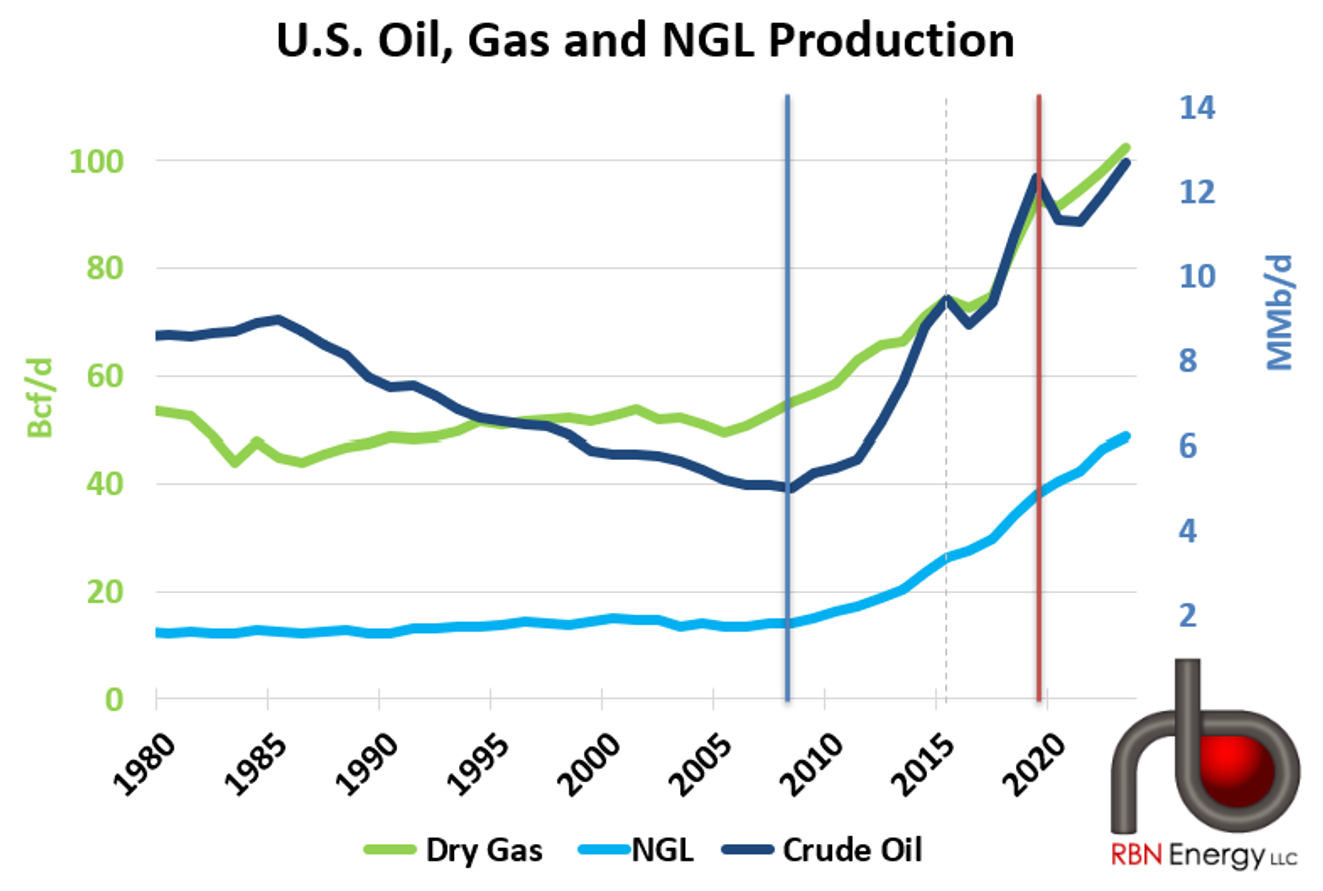
Figure 1. U.S. Oil, Gas and NGL Production. Source: RBN
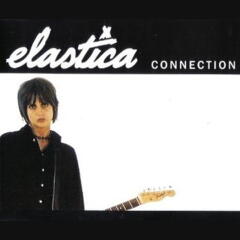
About the song
“Connection” was written by Justine Frischmann and appears as the third song on Elastica’s debut studio album, Elastica. Released as a single in October 1994, it went to #2 on the Billboard Modern Rock Tracks and #53 on the Billboard Hot 100 Singles charts. The song was the subject of some controversy due to its synthesizer and guitar riff being very similar to Wire’s “Three Girl Rhumba” guitar riff. An out-of-court settlement was reached between the two parties and the writing credits were rewritten as part of the settlement. Personnel on the record were: Justine Frischmann (lead vocal, guitar), Donna Mathews (guitar, vocals), Annie Holland (bass), and Justin Welch (drums).
The album, Elastica, was recorded during 1994 at Konk studio (established and managed by The Kinks’ Ray Davies) in London. Produced by Marc Waterman, it was released in March 1995, and went to #66 on the Billboard 200 Albums chart. The fourth single released from the album, “Waking Up,” resulted in another plagiarism lawsuit, this time from The Stranglers, who claimed the main riff of the song was lifted from their tune, “No More Heroes.” This case was also settled out of court, resulting in The Stranglers receiving 40% of the royalties from the song and a co-writing credit. Five singles were released from the LP, and it has been certified Gold by the Recording Industry Association of America.
Elastica were an English rock band formed in London in 1992 by ex-Suede members Justine Frischmann and Justin Welch. Eight members passed through the band until its breakup in 2001, with founding members Frischmann and Welch remaining in the band until its dissolution. They released two studio albums, one compilation album, one EP, and eight singles. Justine Frischmann retired from the music business in 2003 and is now a painter living in Boulder, CO. Justin Welch is the current drummer for The Jesus and Mary Chain.