Rockies refineries have enjoyed higher margins than their counterparts anywhere else in the U.S. except California over the past four years, despite being typically smaller and less sophisticated plants. Attractive margins resulted in new investment by their owners — concentrating on the flexibility to process different crude types rather than just boosting capacity — because regional product demand is relatively stagnant. Today, we describe how some of those investments have paid off handsomely so far while others aren’t looking so savvy.
In Part 1 of this blog series, we detailed record 3-2-1 crack spread margins for refineries in Petroleum Administration for Defense District (PADD) 4 over the past four years, with refiners in the Rocky Mountain region processing imported Canadian crude enjoying the highest average returns in the country and those processing domestic crude performing second only to California. The main reasons for the robust performance of Rockies refineries, which are less complex than those in other regions, were access to abundant crude supplies and higher-than-average prices for refined products. In this second installment, we take a deeper look at the success of two Rockies refinery upgrade plays in recent years.
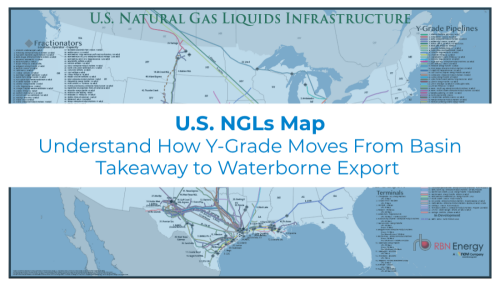
Visualize the infrastructure behind U.S. NGL movement.
The U.S. NGLs Map provides a comprehensive view of the transport, processing, and export networks moving NGLs across the U.S.
This blog is based on Morningstar Commodities’ latest refinery outlook covering PADD 4. If you would like a copy of the report, please contact [email protected].
As we noted last time, there are 15 refineries in the Rockies with a total of 693 Mb/d of capacity [as of January 2017, according to the Energy Information Administration (EIA), measured in barrels per stream day] that produce transportation fuels in the Rocky Mountain region, or PADD 4. These are listed in Figure 1 by location, owner and capacity.
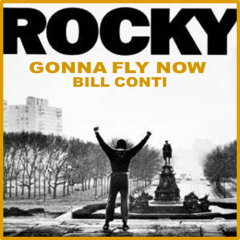
About the song
"Gonna Fly Now", also known as "Theme from Rocky", is the theme song from the movie Rocky, composed by Bill Conti with lyrics by Carol Connors and Ayn Robbins, and performed by DeEtta West and Nelson Pigford. Released in February 1977 with the movie Rocky, the song became part of American popular culture after main character Rocky Balboa as part of his daily training regimen runs up the 72 stone steps leading to the entrance of the Philadelphia Museum of Art in Philadelphia and raises his arms in a victory pose, while the song plays. The song is often played at sporting events, especially at sporting events in the city of Philadelphia or featuring sports teams from there.