We’ve been writing on hydrogen for a few months now, covering everything from its physical properties to production methods and economics. Given the newness of the subject to most folks, who have spent their careers following traditional hydrocarbon markets, we have attempted to move methodically when it comes to hydrogen. However, we think that things may get more complicated in the months ahead. Why, you may ask. Well, the development of a hydrogen market — or “economy”, if you will — is going to be far from straightforward, we believe. Not only will hydrogen need some serious policy and regulatory help to gain a footing, the new fuel will have to become well-integrated into not only existing hydrocarbon markets, but also some established “green” markets, such as renewable natural gas, or RNG. So understanding how renewable natural gas is produced and valued is probably relevant for hydrogen market observers. In the encore edition of today’s blog, we take a look at the possible intersection of natural gas, particularly RNG, and hydrogen.
In observance of today’s holiday, we’ve given our writers a break and are revisiting a recently published blog on the U.S. Hydrogen Market. If you didn’t read it then, this is your opportunity to see what you missed. Happy Memorial Day!
If you are new to hydrogen, or to our coverage of the subject, some background may be helpful. We covered the bare-bones basics of H2 late last year in our first hydrogen blog, and followed that up with a review of the most commonly discussed production methods for hydrogen and a high-level discussion of production economics. You might also find our blog on hydrogen conversion units useful when it comes to interpreting hydrogen news flow, which we also cover weekly in our free Hydrogen Billboard report. Hopefully, the knowledge foundation we’ve put down will make it easier to follow developments in the hydrogen market.
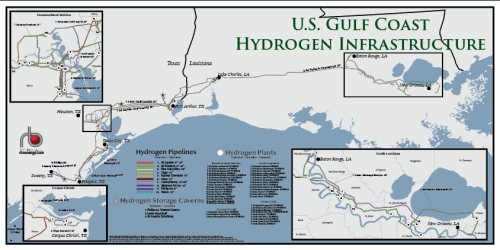
RBN’s U.S. Gulf Coast Hydrogen Infrastructure Map lays out the pipelines and merchant hydrogen plants that make up the gulf coast market, providing an unprecedented snapshot of the region’s hydrogen infrastructure network.
With that out of the way, it’s time to dive into today’s subject, which isn’t entirely focused on hydrogen. In fact, we will spend the better part of this blog discussing RNG. Why the focus on RNG? There are two primary reasons. First, natural gas is one of the primary feedstocks for producing hydrogen. In our view, that certainly makes all types of natural gas — including RNG — relevant when it comes to hydrogen. Second, there are features of the RNG market, such as its relatively strong regulatory support, that may be instructive when it comes to understanding how the hydrogen market may develop. So, without further ado, let’s delve into RNG and its potential interplay with hydrogen markets.
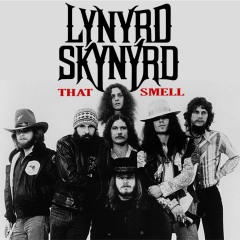
About the song
"That Smell" was written by Ronnie Van Zant and Allen Collins and appears as the second song on side one of Lynyrd Skynyrd's fifth studio album, Street Survivors. The song was recorded at Studio One in Doraville, GA, with Tom Dowd producing. It was released as a single in November 1977 but failed to reach the charts. Personnel on the record were: Ronnie Van Zant (lead vocals); Allen Collins, Gary Rossington, and Steve Gaines (guitar); Leon Wilkeson (bass, backing vocals); Billy Powell (keyboards); Artimus Pyle (drums); and Jo Billingsley, Cassie Gaines, and Leslie Hawkins (backing vocals).
Street Survivors was recorded twice, first at Criteria Studios in Miami, and then at Studio One in Doraville. Tom Dowd was the producer at both sessions, which took place between April and August 1977. The album was released in October 1977, three days before the band's chartered plane crashed en route to Baton Rouge, LA, killing the pilot, co-pilot, the band's assistant road manager, and band members Ronnie Van Zant, Steve Gaines, and Cassie Gaines. The rest of the band's surviving members and crew were severely injured in the crash. The LP went to #5 on the Billboard Top 200 Albums chart, and has been certified 2X Platinum by the Recording Industry Association of America. Two singles were released from the album.
Lynyrd Skynyrd is an American southern rock band formed in Jacksonville, FL, in 1964 as "My Backyard" by Ronnie Van Zant, Gary Rossington, and Allen Collins. They renamed the band Lynyrd Skynyrd in 1969, after their high school gym coach, Leonard Skinner, who had relentlessly hassled them about their long hair. The band has released 14 studio albums, six live albums, 23 compilation albums, and 30 singles. Lynyrd Skynyrd was inducted into the Rock and Roll Hall of Fame in 2006. Twenty-seven members have passed through the ranks of the band since its inception. Lynyrd Skynyrd continues to record and tour.