As we stated in Part 1 of this series, New York City will need increasing amounts of natural gas as it continues its shift from oil-fired power plants and oil-based space heating. New gas pipeline capacity to and through the Big Apple has been added as recently as May 2015, but the nation’s largest city still faces wintertime gas-delivery constraints that cause costly spikes in gas and power prices. Given the challenges of adding new pipeline capacity in one of the most densely populated parts of the U.S., developer Liberty Natural Gas is planning an offshore liquefied natural gas terminal that by late 2018 would inject gas into the city’s existing pipeline network on an as-needed basis. Today, we continue our look at the economics of using imported LNG to supplement gas supplies in the Northeast.
New York, New York, the birthplace of Billy Joel, Lady Gaga, Lou Reed and countless others with hit songs named for RBN blog titles (or is it the other way around?), has been making a big push to clean up its air and reduce its carbon footprint. Among other things, the city of 8.4 million has already forbidden (through its NYC Clean Heat program) the use of Number 6 heating oil for space heating, and has given businesses and residents notice that Number 4 heating oil will be phased out next, with natural gas the go-to replacement, given its low cost, clean-burning nature, and increasing availability. Similarly, older oil-fired power plants are being replaced by new, more efficient gas-fired units.
This ongoing shift to gas has not been without its challenges. After all, no new, major interstate gas pipeline into the city has been added in more than 40 years, and recent incremental enhancements (Spectra’s $1.2 billion, 800 MMcf/d New Jersey-New York Expansion Project and Williams’ $350 million, 650 MMcf/d Rockaway Delivery Lateral project among them) have reminded everyone how expensive capacity expansions can be in this densely packed region. The New York area’s two local gas distribution companies, Con Edison (green shaded area in Figure 1) and National Grid (most of Long Island; darker-gray shaded area in lower-right quadrant) can received a total of up to about 4.4 Bcf/d during peak winter demand periods from four interstate pipeline systems: Spectra’s Texas Eastern Transmission Co. (TETCO; dark green lines; 1.5 Bcf/d), Williams’ Transco (yellow lines; 1.4 Bcf/d), Iroquois Gas Transmission (purple lines; 850 MMcf/d), and Kinder’s Tennessee Gas Pipeline (aqua line; 650 MMcf/d).
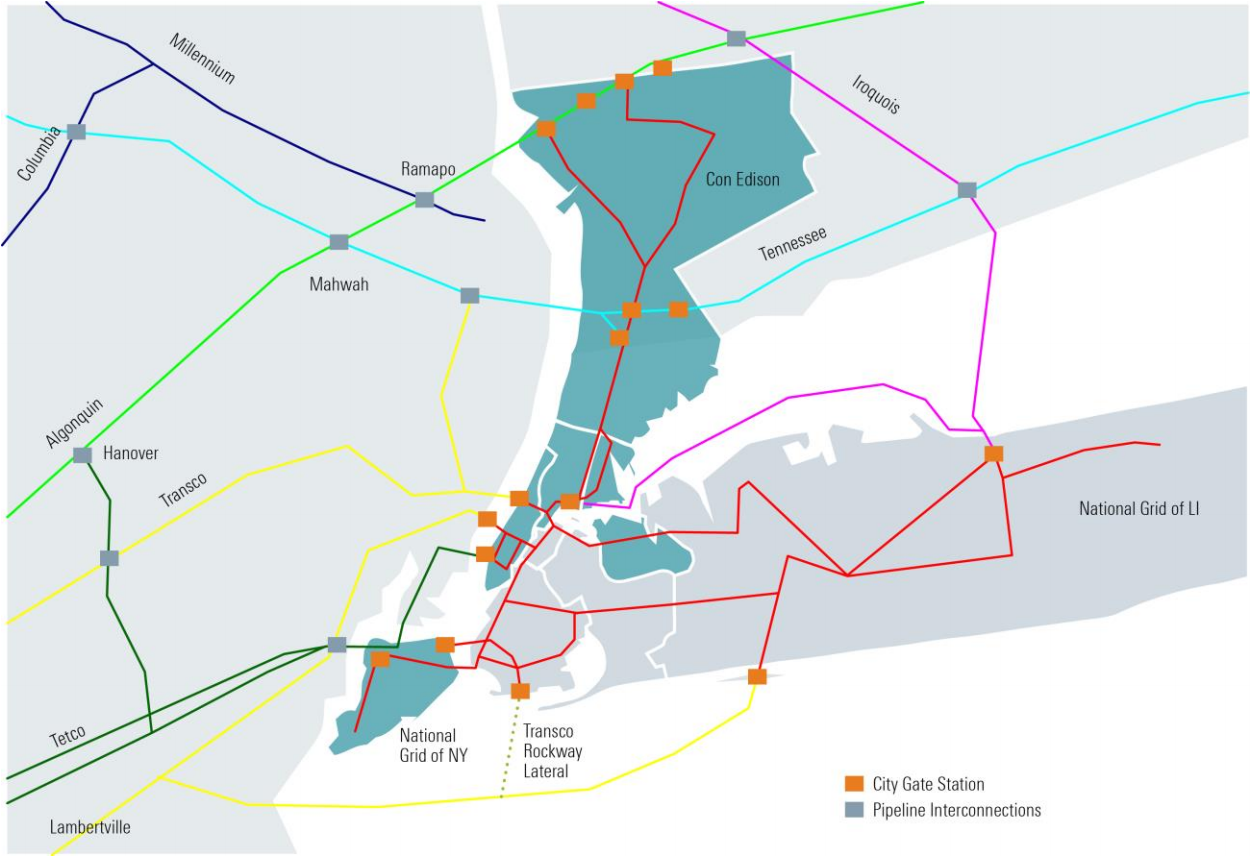
Figure 1; Source: Morningstar /Winter Gas Outlook NY (click to expand)

About the song
“When I Need You” was a hugely successful recording by UK-born singer Leo Sayer. The song (released right after Sayer’s first hit, the disco-styled “You Make Me Feel Like Dancing”), topped the charts in both the U.S. and the UK in 1977. Here’s a link to a video: https://www.youtube.com/watch?v=NsMqb9RQWGE.