The trade war between the U.S. and China continues to intensify — and now the rhetoric is shifting from steel and soybeans to oil and gas. What started as just an exchange of escalating bluster has developed into real tariffs that will be enacted beginning August 23 — which will include petroleum-based products like LPG and refined products. The commodities that would have the biggest impacts on global trade flows, liquefied natural gas and crude oil, were under tariff threat as well. LNG is still on a list of potential commodities to receive tariffs in the future, while crude has since been removed. But, keep in mind that today’s state of affairs could change tomorrow, so tariffs on those two commodities should be considered very much on the table. Today, we examine the potential trade war fallout for growing exports of U.S. LNG and crude oil.
We know that talk is cheap, and right now for oil and natural gas, the trade war is still all talk. But that hasn’t quite erased the fear of future tariffs among Chinese LNG and crude buyers, who will continue to walk with caution in case the trade war escalates further. That’s not the case for other petroleum-based products, like propane, butanes, gasoline and diesel — we know now that direct U.S.-to-China exports of these products will face tariffs and will have to be shuffled around in months to come to avoid them. Fortunately, the impacts of tariffs on those markets aren’t nearly as potent as would be the case for oil and LNG.

Canadian crude output is rising, requiring new export routes. As traditional pathways face constraints, the U.S. Rockies—especially the Guernsey, WY hub—are emerging as key corridors for moving Canadian heavy crude to downstream markets, including the Gulf Coast.
As we outlined in I’m Movin’ Out, the chatter around exports is more important to the U.S. energy sector in 2018 than ever before, so we have to think about the potential consequences, even if tariffs on crude and LNG don’t come to pass. Since the onset of the Shale Revolution, exports have been key to keeping the prolific production levels of crude, natural gas liquids (NGLs) and natural gas in balance. Could that balance be under threat if a full-out trade war erupts? We think not, but China’s influence has been advancing in nascent U.S. energy export markets like LNG and crude.
A week ago Wednesday (August 1), President Trump announced that he was asking U.S. officials to consider increasing upcoming tariffs on $200 billion in Chinese goods from 10% to 25%. And in response, on Friday, China’s government announced proposed tariffs on an additional $60 billion of U.S. goods, including a 25% tariff on U.S. LNG. On Tuesday, the U.S. made tariffs official for $16 billion worth of imported Chinese goods. China answered back with another $16 billion in additional tariffs on several petroleum products that excluded crude and LNG. The U.S. had levied $34 billion in (non-energy-related) tariffs last month, a move intended to prompt negotiations between the two countries, but instead China responded with commensurate tariffs of its own.
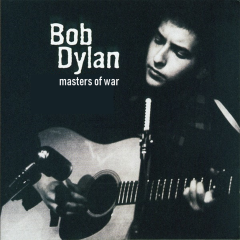
About the song
"Masters of War" is a song off Bob Dylan’s second studio album, The Freewheelin’ Bob Dylan, which was released in 1963. The song was written by Dylan as a response to the Cold War arms build-up of the early 1960s. He borrowed the melody on "Masters of War" from a traditional folk song called "Nottamun Town." Unknown to Dylan at the time he recorded the song, the arrangement he used was the same one that folk singer Jean Ritchie had already used, and the song had been played that way in her family for generations. In a legal settlement, Ritchie received a writing credit and compensation on the song against any further legal claims. The Freewheelin' Bob Dylan LP was recorded at Columbia Records Studio A in New York City from April 1962 to April 1963. It reached #22 on the U.S. charts.
Bob Dylan (Robert Allen Zimmerman) has been an iconic figure in music and culture for more than 50 years. He has won 12 Grammy Awards, one Academy Award, and one Golden Globe Award. He was inducted into the Rock and Roll Hall of Fame in 1988, and received the Presidential Medal of Freedom in 2012, the Legion d'Honneur from France in 2013, the MusicCares Person of the Year Award in 2015, and — perhaps most noteworthy of all — the Nobel Prize in Literature in 2016. Rolling Stone Magazine ranked him #1 in its 2015 "Greatest Songwriters of All Time" list. Dylan still records and tours to this day.