For much of the 2010s, the U.S. midstream sector has been on a development spree. New or expanded everything — pipelines, gas processing plants, fractionators, storage facilities, liquefaction trains, export terminals and more — all to keep pace with the production gains of the Shale Era. But now, at the start of the 2020s, the build-out frenzy appears to be fizzling and flickering. Midstreamers’ capital spending plans are on the decline, at least for now, as most of the infrastructure needed to handle current and expected volumes for the next few years is either in place or under construction. But that doesn’t mean things won’t stay interesting — far from it. This new decade brings with it a period of midstream-sector strategizing and portfolio rejiggering. Today, we discuss highlights from East Daley Capital’s newly released “Dirty Little Secrets” report about the next phase of midstream strategy.
What a wild decade we all just finished. In what now seems like an instant, the U.S.’s energy supply outlook flipped from dire to darn good, and its role in international hydrocarbon markets switched from net importer to net exporter — and a pretty significant exporter at that. Just a few days ago a new decade began, and now is the perfect time to consider what’s ahead for the midstream sector. It’s not just the calendar that’s changing — the entire sector is nearing the end of an unprecedented period of expansion, and entering an epoch of top-to-bottom reevaluation, reimagining and realigning.
As we said a month ago in What I Like About You — our blog about East Daley’s “2020 Midstream Guidance Outlook” — the last few years have driven home the point that while all midstreamers are impacted to some degree by what happens on a macro-level, the relative success of each company is tied to the myriad decisions its leaders make over time regarding which basins and hubs to focus on and which assets to build, expand, acquire or divest. Now, the effects of many of these micro-level decisions are being felt, for better or worse, as discussed in the 2020 edition of East Daley’s Dirty Little Secrets report, the first three sections of which were just released. (The fourth and final section of the report, which delves into each of the individual midstream companies that East Daley tracks at an asset level, will be released later this month.)


About the song
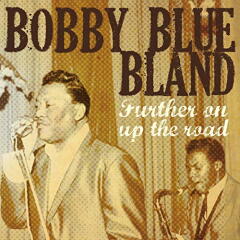
"Farther Up The Road," written by Don Robey and Joe Medwick Veasey, was released as a single by Bobby "Blue" Bland on Don Robey's Houston-based label, Duke Records, in 1957. It was Bland's first hit record, going to #1 on the Billboard R&B chart, and #43 on the Hot 100. The song was included on Bland's first album, Blues Consolidated, a split album with fellow Duke Records artist, Junior Parker. "Farther Up the Road" is a classic Texas blues shuffle, with Pat Hare's lead guitar work, in the words of music critic Dave Marsh, "providing the missing link between T-Bone Walker and Eric Clapton." Clapton would later record a faster version of the song, re-titled "Further On Up the Road," and make it a staple of his live repertoire. Irish guitarist Gary Moore would also record a blistering live version of it on his Blues Alive album.
Bobby "Blue" Bland (Robert Calvin Brooks) was an American blues singer from Memphis. He was first discovered in 1951 by Ike Turner when Turner was involved in identifying and developing talent for Modern Records. Bland released 27 studio albums, three live albums, one consolidated album, 11 compilation albums and 103 singles. He is a member of the Rock and Roll Hall of Fame, Memphis Music Hall of Fame, Blues Hall of Fame and Grammy Hall of Fame. He has received a Rhythm and Blues Pioneer Award and a Grammy Lifetime Achievement Award. Bland passed away in 2013 at his home in Germantown, TN, a suburb of Memphis, at the age of 83.