The U.S. Treasury Department last week announced new sanctions on Petróleos de Venezuela, S.A. (PDVSA), the national oil company of Venezuela, that effectively halts imports of Venezuelan crude oil into the U.S. Given that the Venezuelan crude imported to the U.S. is of the heavy sour variety, which is not produced in large amounts in the U.S. (except for California), certain refineries along the Gulf Coast are left scrambling to find alternative sources of feedstock for their facilities. Today, we evaluate historical crude oil imports from Venezuela, the refineries that are most heavily impacted, and the potential effects of the sanctions on U.S. refiners.
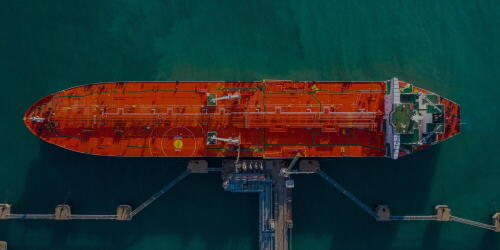
The Crude Voyager is a weekly analysis of U.S. Gulf Coast loading activity that explains the ebbs and flows of crude loadings, destinations, and geopolitical issues impacting U.S. exports. It outlines the major paths for laden tankers hauling U.S. crude all over the world and reflects the change in tanker departures to the main regions that consume U.S. crude.
Refineries in Petroleum Administration for Defense District (PADD) 3, which includes the Gulf Coast, processed an average of 9 MMb/d of crude oil in 2018, and of that total, approximately 1.6 MMb/d was of the heavy sour variety. Of the heavy sour portion, ~420 Mb/d came from Venezuela. Some may wonder how a country that supplies less than 5% of PADD 3’s crude slate could cause industry headaches; today, we’ll explain why.
We start our analysis with a look at the volumes and qualities of crude oil that U.S. refineries have been receiving from Venezuela in recent years. Between 2007 and 2018 (through October), the U.S. reduced the quantity of crude oil imported from Venezuela from 1.4 MMb/d (far-left bars in both Figure 1 charts) down to ~500 Mb/d last year. Some of this reduction is due to the 2012 shutdown of the Hovensa refinery in the U.S. Virgin Islands (light blue bar segments in the left chart), as well as the shutdown of some asphalt plants in PADDs 1 (East Coast) and 3. Other reductions have coincided with increasing quantities of Canadian crudes being available and reduced Venezuelan production. The remaining Venezuelan imports have been destined for the Gulf Coast (left chart, green bars), where the refining infrastructure is highly complex and has the capability to convert heavy sour crude (the predominant Venezuelan grade now being imported; see the right chart, dark brown bar segments) into valuable refined products.

About the song
“El Diablo Suelto” (“The Devil on the Loose”) is a Venezuelan waltz composed by Heraclio Fernández and first published in 1888. The best-known song in Venezuela, “El Diable Suelto” was created in Zulia, the large northwestern state in that country. It is played as a joropo — a fandango style of music and dance incorporating South American, African and European influences. Popular Venezuelan musician and composer Enrique Hidalgo later put some lyrics to the waltz and a fellow countryman — folk singer Gualberto Ibarreto — recorded that version in 1976.
Heraclio Fernández (1851-86) was a Venezuelan musician, pianist, composer, writer and publisher, best known for composing "El Diablo Suelto." Click here for a great guitar version recorded by Australian classical guitarist John Williams for his album El Diablo Suelto – Guitar Music of Venezuela, paying tribute to Venezuela’s guitar greats.