For the first 10 years of the Shale Revolution, it was a foregone conclusion: High prices stimulated more drilling, and more drilling meant higher production. It worked in both directions. When prices crashed, so did production. The correlation was great. The relationships were right on cue in 2014-15 when $100/bbl crude crashed to $30, rebounded to $60 by 2019, and wiped out in 2020 when the COVID meltdown hit. But then the market shifted. As prices ramped up in 2021 — eventually to astronomical levels in 2022 — the phenomenon of producer discipline kicked in, with E&Ps capping their drilling programs and returning a significant slice of their rising free cash flow to their shareholders. The near-term market implications of this new dynamic have been extensively documented in the RBN blogosphere. But what does it mean for the future? Especially for intrepid energy analytics companies (like RBN) that, by necessity, must project producer behavior far into the future to determine what production will look like next year, next decade and even further over the horizon. In this new RBN blog series, we will examine that dilemma, the assumptions RBN makes, and what our forecasts for the next few years look like.
|
Free Forecast Download! Interested in the details of RBN’s crude oil forecasts? You’ve come to the right place. There’s a link at the bottom of this blog that you can click and download our basin-level forecast for monthly crude oil production in the 2023-28 period (along with history back to 2018). And the best part, to quote Houston’s Mattress Mack, it’s Free! Free! Free! Just make sure you are logged into the website. |
As we said in Long, Strange Trip way back in 2018, the rotary rig count, compiled weekly by Baker Hughes, has long served as a barometer of E&P interest in increasing, maintaining or reducing production, typically with a few months’ delay in response to shifts in crude oil (and natural gas) prices. Last year, in I Can’t Go for That (No Can Do), we observed that the rig-count/oil-price relationship appeared to be breaking down — that rebounding oil prices no longer heralded that drilling activity and production would soon follow suit. This breakdown in the old order was confirmed each quarter in producers’ earnings reports — again and again, through 2021 and 2022, E&Ps said they were holding back on investments in incremental production and instead were increasing their dividends and stock buybacks. Then a couple of months ago, in Money, we affirmed that the 40-odd U.S. producers we monitor in the RBN blogosphere on a regular basis “have dramatically shifted strategy from growth to cash flow generation.”
About the song
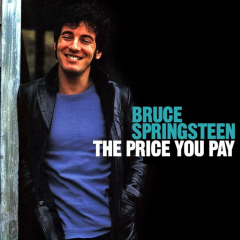
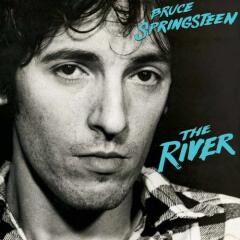
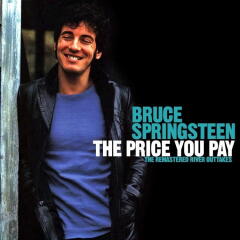
“The Price You Pay” was written by Bruce Springsteen and appears as the second song on side four of Springsteen's fifth studio album, The River. The lyrics address how the choices we make determines the price we pay. Personnel on the record were: Bruce Springsteen (lead vocals; electric, acoustic, and 12-string guitar; harmonica, percussion), Clarence Clemons (sax, backing vocals), Danny Federici (Hammond organ, piano), Garry Tallent (bass), Steven Van Zandt (electric guitar, backing vocals) and Max Weinberg (drums, percussion).
The River was recorded between March 1979 and August 1980 at The Power Station in New York City. The album was produced by Jon Landau, Bruce Springsteen and Steven Van Zandt, and released in October 1980. It is Springsteen's only double studio album. Seven singles were released from the LP, with “Hungry Heart” reaching #5 on the Billboard Hot 100 Singles chart. “Hungry Heart” was originally written for The Ramones, but after Springsteen’s manager/producer Jon Landau heard it, he advised Springsteen to keep it for himself. One has to wonder if the Ramones would have had a hit with the song if they had recorded and released it. The River went to #1 on the Billboard Top 200 Albums chart, and has been certified 5x Platinum by the Recording Industry Association of America.
Bruce Springsteen is an American singer, songwriter and musician who is a solo artist and leader of the E Street Band. Nicknamed “The Boss,” Springsteen has sold over 135 million records worldwide. He has released 19 studio albums, 23 live albums, one soundtrack album, eight compilation albums, seven EPs and 70 singles. He has won one Academy Award, four American Music Awards, one Brit Award, two Golden Globe Awards, 20 Grammy Awards, two Grammy Hall of Fame Awards and one Tony Award. Springsteen is a member of the Rock and Roll Hall of Fame, the Songwriters Hall of Fame, and the New Jersey Hall of Fame. He is a recipient of a Kennedy Center Honor and Presidential Medal of Freedom. The Boss and his E Street Band started their 2023 tour last month in Tampa.