U.S. production of hydrogenated renewable diesel (RD), which is made from soybean oil, animal fats and used cooking oil, is growing faster than expected. That may sound like good news for the renewable fuels industry, but it comes with the fear that the rapid growth might push RD production levels well past the mandates set by the Renewable Fuel Standard (RFS), potentially triggering a sudden crash in Renewable Identification Number (RIN) prices that — if it happens — would rock the market. In today’s RBN blog, we estimate the likelihood and possible timing of such a market-shaking event.
As we discussed in Part 1 of this series, hydrogenated RD is a type of biomass-based diesel being produced either in greenfield facilities or in repurposed refinery units previously used to make petroleum-based diesel and gasoline. RD has quickly overtaken the other type of biomass-based diesel — FAME biodiesel — in market share. (FAME biodiesel is produced by reacting triglycerides with methanol to make oxygen-containing fuel molecules called fatty acid methyl ester, or FAME.) In fact, RD’s rapid growth may soon bring U.S. biomass-based diesel supply beyond the mandated levels set by the Environmental Protection Agency (EPA). That would be uncharted territory for the fuels market, which has been under the grip of binding renewable fuels volume mandates for 10 years.

The replay of our Fall 2026 School of Energy (September 9 & 10, Houston) is now available online!
Learn from RBN experts, participate in hands-on Excel modeling, connect with industry peers, and gain a stronger understanding of today's interconnected energy markets.
In Part 2 we analyzed the implications of crossing that boundary. Theoretically, it could trip a switch that would cause a decrease in the price of D4 (biomass-based diesel) RINs. Recall from our Misunderstanding? series that a RIN is a 38-digit number that’s generated when certain types of renewable fuels are produced. The RIN can then be unbundled and sold to producers or importers of non-renewable fuels to satisfy obligations under the RFS. If the supply of renewable fuel increases beyond the RFS mandates, prices for RINs would drop. In other words, demand for a RIN depends on there being a shortage of biofuel supply compared to the applicable mandate, that shortage is what compels refiners to bid for that RIN, and refiners’ RIN purchases are what fund the subsidy. (This tax-and-subsidize scheme is called a cross-subsidy.)
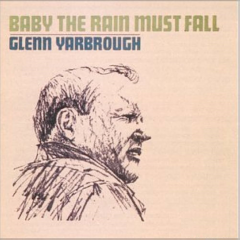
About the song
“Baby the Rain Must Fall” was written by Elmer Bernstein and Ernie Sheldon and appears as the first song on side one of Glenn Yarbrough’s eighth studio album of the same name. It is the title song of the 1965 film Baby the Rain Must Fall, starring Steve McQueen and Lee Remick. The film also marked the first film appearance of Glenn Campbell (could it be Campbell playing guitar on the song?). The single was released in January 1965 and went to #2 on the Billboard Adult Contemporary and #12 on the Billboard Hot 100 Singles charts. The song was recorded at RCA’s Music Center of the World in Hollywood, with Neely Plumb producing. Known personnel on the record were: Glenn Yarbrough (vocals), Earl Palmer (drums), and David Gates (arrangements). Gates would later become the lead singer in the highly successful pop band Bread. Leon Russel may be somewhere in the mix on this song as he had worked with Yarbrough as an arranger in the past, and Gates was a fellow-Tulsan who Russell had a publishing partnership with shortly before the record was released.
The album Baby the Rain Must Fall was released in January 1965 and went to #35 on the Billboard 200 Albums chart. Two singles were released from the LP.
Glenn Yarbrough was an American folk singer and guitar player. He had a successful stint as the lead singer in the folk group the Limeliters from 1959-63 before embarking on a solo career. As a solo artist, he released 32 studio albums and 16 singles. He was nominated for Grammy Awards six times. “Baby the Rain Must Fall” was Yarbrough’s best-selling record. He died in Nashville in August 2016 at the age of 86.