U.S. energy markets are coming to the end of their latest infrastructure cycle just as the reality of tight capital markets is sinking in. Permian crude oil and natural gas takeaway constraints are being relieved by new pipeline capacity. Long-delayed LNG terminals and NGL-consuming petrochemical plants are coming online. Essentially all growth in crude, gas and NGL production volumes is being exported to global markets that — so far, at least — have been absorbing the incremental supply. But there is a chill in the air. Besides the recent bump-up in crude prices tied to last weekend’s attack on Saudi oil facilities, commodity prices have remained stubbornly low. Easy access to capital is a thing of the past. No longer can private equity count on the build-it-and-flip asset investment model. Yup, it’s another inflection point in the Shale Revolution that we’ll start exploring today. All this has huge implications for energy flows, infrastructure utilization and price relationships across all of the energy commodities.

Crude Oil Permian provides detailed analysis of the fundamental drivers impacting the Permian Basin crude oil market including weekly data, analysis and market intelligence updates of: Permian crude oil supply and demand, pipeline outflows and capacity, prices, and infrastructure updates.
The Good News
Let’s start with the good news. New infrastructure is coming online across wide swaths of the energy markets, relieving capacity constraints that have been plaguing buyers and sellers for years. As shown in Figure 1, nowhere is this more true than the Permian. Two new crude oil pipelines out of the Permian are starting up now (Plains Cactus II and EPIC Crude), and the Permian gas market is finally getting some serious relief from Gulf Coast Express (GCX), the Kinder/DCP/Targa/Altus pipeline to the Corpus Christi area that started taking gas two weeks ago — just as Targa’s new Grand Prix NGL pipe is ramping up to full capacity. Another 3 MMb/d of Permian crude pipeline capacity is being developed (increasing takeaway by another 70%), two more Permian gas pipelines planned for the next two years have reached FID (final investment decision), and more Permian gas pipes — and a number of additional NGL capacity expansions — are in the works. Price differentials for all of these commodities are shifting accordingly, meaning that prices in the formerly bottlenecked areas are increasing as flows — and sometimes bottlenecks — move downstream.
About the song
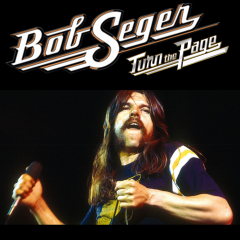
"Turn the Page" was written by Bob Seger, and first appeared as the fifth cut on side one of Seger’s sixth studio album, Back in '72. However, the song would receive more radio airplay when it was included on Seger's 1976 live album, Live Bullet. Drummer David Teegarden says Seger wrote this song after an incident at a truck stop when Seger was touring with the Tulsa band Teegarden, Van Winkle & Bruce backing him. En route to their next show, some truck drivers at the truck stop’s diner hassled them and made derogatory comments about their long hair and appearance. By the next day, Seger had written "Turn the Page" about the event.
Back in '72 was recorded at Leon Russell's Paradise Studios in Tia Juana, OK; Pampa Studios in Warren, MI; and Muscle Shoals Studios in Muscle Shoals, AL. Produced by Punch Andrews and Bob Seger, the album was released in January 1973 and only went to #188 on the Billboard Top 200 Albums chart. Personnel on the record were: Bob Seger (lead vocals, guitar), Dick Sims (Hammond organ, bass pedals, piano and Clavinet), Jamie Oldaker (drums), Sergio Pastora (percussion), Alto Reed (saxophones and flute) and Marcy Levy (background vocals). Oldaker and Levy would record with Leon Russell, and then join Sims in becoming part of Eric Clapton's band later in the 1970s.
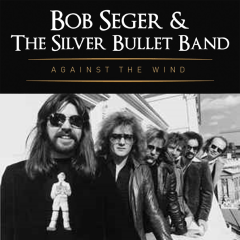
Live Bullet was recorded at Cobo Hall in Detroit in September 1975, and was released in April 1976. The record was produced by Punch Andrews and Bob Seger. Now billed as Bob Seger and the Silver Bullet Band, this live showcase of Seger's talents went to #34 on the Top 200 Albums chart. The considerable amount of radio airplay it received helped prime the way for Seger to become a national star with his next LP release, Night Moves. “Turn the Page" was one of the highlights from the live album. Metallica would later have a hit record with their version of the song –– their cover went to #1 on the Billboard Hot Mainstream Rock Songs chart, where it would remain for 11 weeks. The personnel on Live Bullet were: Bob Seger (lead vocals, guitar, piano), Drew Abbott (lead guitar, backing vocals), Alto Reed (saxophones, backing vocals), Robyn Robins (keyboards), Chris Campbell (bass, backing vocals) and Charlie Martin (drums, backing vocals).
Bob Seger is an American singer, songwriter and musician from Detroit. He has released 18 studio albums, two live albums, five compilation albums and 66 singles. Seger has sold more than 75 million records worldwide, and is a member of the Songwriter's Hall of Fame, the Michigan Rock and Roll Legends Hall of Fame and the Rock and Roll Hall of Fame. He has won one Grammy Award and recently concluded what he has called his final tour.