In 2019, there has been a significant shift in crude oil and natural gas markets. Prices have remained stubbornly low, even when faced with the risk of significant turmoil like the Saudi drone attacks. Investors are far less forgiving, and energy-related equity values continue to lag most other sectors, despite most companies returning more of their earnings to shareholders. Oil and gas producers are focused on their sweetest of sweet spots, wringing every crumb of financial return from their investments. The risk-return equation has changed. All this makes now a good time to examine the strategies and tactics necessary for survival in this challenging phase of the Shale Era. That is especially true for the players who seem to be doing everything right, because some of the worst management mistakes can occur when performance is good.
Yes, even in 2019’s challenging market environment, a number of companies appear to be performing well, regardless of how their stock price is doing. Production volumes continue to increase. New infrastructure projects are coming online. Export volumes are through the roof. But when industry players really look at their business decision-making, are these measures the right metrics? Do they answer the question, “Did we make the right decision?” Or is it more subtle than that?

About the song
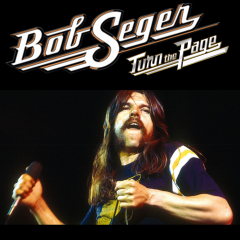
"Turn the Page" was written by Bob Seger, and first appeared as the fifth cut on side one of Seger’s sixth studio album, Back in '72. However, the song would receive more radio airplay when it was included on Seger's 1976 live album, Live Bullet. Drummer David Teegarden says Seger wrote this song after an incident at a truck stop when Seger was touring with the Tulsa band Teegarden, Van Winkle & Bruce backing him. En route to their next show, some truck drivers at the truck stop’s diner hassled them and made derogatory comments about their long hair and appearance. By the next day, Seger had written "Turn the Page" about the event.
Back in '72 was recorded at Leon Russell's Paradise Studios in Tia Juana, OK; Pampa Studios in Warren, MI; and Muscle Shoals Studios in Muscle Shoals, AL. Produced by Punch Andrews and Bob Seger, the album was released in January 1973 and only went to #188 on the Billboard Top 200 Albums chart. Personnel on the record were: Bob Seger (lead vocals, guitar), Dick Sims (Hammond organ, bass pedals, piano and Clavinet), Jamie Oldaker (drums), Sergio Pastora (percussion), Alto Reed (saxophones and flute) and Marcy Levy (background vocals). Oldaker and Levy would record with Leon Russell, and then join Sims in becoming part of Eric Clapton's band later in the 1970s.
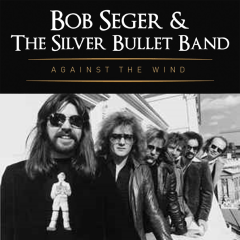
Live Bullet was recorded at Cobo Hall in Detroit in September 1975, and was released in April 1976. The record was produced by Punch Andrews and Bob Seger. Now billed as Bob Seger and the Silver Bullet Band, this live showcase of Seger's talents went to #34 on the Top 200 Albums chart. The considerable amount of radio airplay it received helped prime the way for Seger to become a national star with his next LP release, Night Moves. “Turn the Page" was one of the highlights from the live album. Metallica would later have a hit record with their version of the song –– their cover went to #1 on the Billboard Hot Mainstream Rock Songs chart, where it would remain for 11 weeks. The personnel on Live Bullet were: Bob Seger (lead vocals, guitar, piano), Drew Abbott (lead guitar, backing vocals), Alto Reed (saxophones, backing vocals), Robyn Robins (keyboards), Chris Campbell (bass, backing vocals) and Charlie Martin (drums, backing vocals).
Bob Seger is an American singer, songwriter and musician from Detroit. He has released 18 studio albums, two live albums, five compilation albums and 66 singles. Seger has sold more than 75 million records worldwide, and is a member of the Songwriter's Hall of Fame, the Michigan Rock and Roll Legends Hall of Fame and the Rock and Roll Hall of Fame. He has won one Grammy Award and recently concluded what he has called his final tour.