Appalachia — the U.S.’s leading gas production region — is also one of the last bastions of coal country in the broader Northeast. That dual reality makes it one of the remaining pockets in the region where there is significant potential for upside in natural gas demand for power generation. Gas burn for power in the Appalachian states — Pennsylvania, Ohio, West Virginia and Kentucky — surpassed power burn in the northern Mid-Atlantic market (New York/New Jersey) in 2017 and led the growth in overall Northeast power burn in 2018. The availability of consistently low-priced gas in recent years has hastened the retirement of coal-fired and nuclear generation plants in the shale producing region and fueled the addition of combined-cycle gas-fired generators, with more scheduled to come online soon. Today’s blog looks at recent and upcoming changes in the Appalachian generation fleet, and their implications for gas demand growth.

The NATGAS Appalachia weekly report provides the data and insights to monitor the northeast natural gas market’s twists and turns and identify the risks and opportunities along the way, including tracking supply-demand trends, outbound capacity and their impact on takeaway pipeline utilization, and regional prices.
2018 was a big year for turnover in the U.S. power generation fleet, with more retirements of older coal plants and more additions of new gas-fired units. A lot of that shift was concentrated in the Northeast region, and within the Northeast, it was led by generation capacity changes in Appalachia, primarily in Pennsylvania, West Virginia and eastern Ohio, right in the backyard of Marcellus/Utica producers. Before we get to what’s happening with power generation in Appalachia, though, it’s worth putting it in the context of the larger trend in the Northeast.
As the left graph in Figure 1 shows, the market share of gas-fired generation in the Northeast as a whole has been increasing (dark blue layer at top), from 15% in 2012 to more than 25% in 2018. Renewable generation capacity (maroon layer) also has gained a slightly larger share of the generation market — particularly wind and solar — but it remains a relatively small piece of the pie and has had a relatively much slower growth rate, given the region’s climate-related limitations (that is, it’s not as windy as the Great Plains or as sunny as the Southwest). Nuclear’s share (medium-blue layer) has been flat right around 26% (at least so far), and coal (green layer) has taken a real hit, receding from 54% in 2012 to only 40% last year.
About the song
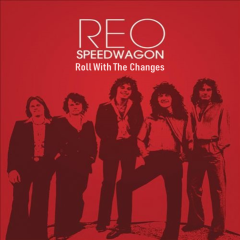
"Roll With the Changes" was written by REO Speedwagon lead vocalist Kevin Cronin as he was driving from Chicago to Los Angeles to re-join the band. It was the first single from the band's seventh studio album, You Can Tune a Piano, But You Can't Tuna Fish, released in March 1978. The album was produced by band members Kevin Cronin and Gary Richrath, along with Paul Grubb and John Boylan. "Roll With the Changes" went to #58 on the U.S. Billboard Hot 100 chart. You Can Tune a Piano, But You Can't Tuna Fish went to #29 on the U.S. Billboard 200 chart, and was certified two times platinum by the Recording Industry Association of America. Personnel on the record were: Kevin Cronin (lead and backing vocals, rhythm guitar, piano), Gary Richrath (lead and rhythm guitars), Neal Doughty (piano, Hammond organ, Moog synthesizer), Bruce Hall (bass) and Alan Gratzer (drums).
REO Speedwagon is an American rock band formed in Champaign, IL, in 1967. They have released 16 studio albums, and have managed to roll with the changes of having 22 different members in and out of their lineup over the years. They still tour to this date, with keyboardist Neal Doughty being the only founding member in the band, joined by Kevin Cronin and Bruce Hall from the band's halcyon days.