


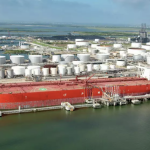
As discussed in the Crude Voyager Report, exports out of the U.S. Gulf Coast (USGC) averaged 5.4 MMb/d for the week ended May 29, with strength seen across a number of terminals. In the Houston region, the Seaway Freeport Terminal loaded crude oil for export for the seventh consecutive week, marking its longest stretch of uninterrupted export activity since 2023. Seaway Freeport exported just six vessels in 2024 and 12 in 2025, compared with 18 vessels already loaded in 2026. Year-to-date exports from the terminal have surpassed 10 MMbbl (blue bar in the chart below), with April and May 2026 alone accounting for more export volume than the terminal shipped during all of 2025.
Featured Articles
- Analyst Insight
Seaway Export Slowdown Signals SPR Release Program Is Winding Down
As discussed in this week's Crude Voyager, despite U.S.


- Blog
Big Time – Exchange of Barrels from U.S. SPR Would Drop Stocks to Lowest Levels Since the 1980s
Today, we detail U.S. plans to release 172 MMbbl from the Strategic Petroleum Reserve, examine how it compares with U.S. actions after the Russian invasion of Ukraine in 2022, and why the SPR could drop to levels not seen since the Reagan administration.


- Blog
How High? – Surge in U.S. Crude Exports Ups Estimates of What Gulf Coast Terminals Can Handle
The monthslong closure of the Strait of Hormuz and the related surge in crude oil exports from the U.S. Gulf Coast has prompted two big questions: (1) how much oil can the region’s marine terminals reliably send out on a sustained basis and (2) does the USGC need more export capacity.
