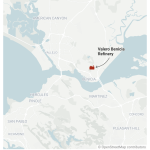
The announcement by Valero to shutter its Benicia refinery by April 2026 may have come as a surprise to city leaders, but it fits with recent trends. California's refining landscape has been steadily shifting, shaped by a combination of aging infrastructure, tougher environmental rules, and a broader push toward decarbonization. Valero’s decision follows the recent wave of conversions and closures in the Golden State — including Phillips 66’s Rodeo and Wilmington facilities and Marathon’s Martinez site — all part of a trend that’s seen traditional refining capacity trimmed in favor of renewable fuel production or, in some cases, shuttered entirely. While local officials in Benicia may still be holding out hope for a last-minute deal, the deeper signals suggest a company looking to reduce exposure in a challenging market.
For refiners operating in PADD 5, especially California, it’s a tough job. Crude production in the region has dropped sharply — California’s own output has more than halved since 2010 — while regulatory costs have kept climbing. At the same time, refineries are boxed in by the lack of connectivity to other U.S. crude hubs and must rely heavily on waterborne imports. Valero’s Benicia facility, like others in the state, was faced with the prospect of expensive upgrades just to keep pace with evolving standards and emissions targets. That, combined with a declining gasoline demand curve driven by EV adoption, biofuels mandates, and efficiency gains, makes the math harder and harder to justify.
Still, neither side wants to frame this as a political standoff. Public officials tend to highlight environmental wins and community resilience, while refiners are careful not to burn bridges in case the winds shift down the road. But there’s no denying the strain: tighter rules and rising costs have made California a difficult place for traditional refineries to thrive. With more closures likely on the horizon, the big question now is how the state will maintain fuel supply and price stability amid declining in-state refining capacity and limited import flexibility. It’s a delicate balancing act — and one that will keep playing out over the next few years, refinery by refinery.