


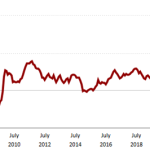
The headline Consumer Price Index (CPI) — a measure of the overall increase in the price level of goods and services — rose a modest 0.2% from the previous month, matching expectations, and increased 2.9% year-over-year (as shown in the below chart), according to the Labor Department’s July report. This marks the lowest annual CPI growth we’ve seen since 2021, indicating that the historic inflation surge continues to ease. With inflation showing signs of continued cooling, confidence is growing that the Federal Reserve may begin cutting interest rates at their next policy meeting scheduled for September 17th - 18th.
Featured Articles
- Analyst Insight
Nail in the Coffin for Interest Rates — Time to Say Bye-Bye To The Highest Rates In Two Decades
Nail in the Coffin for Rates — Time to Say Bye-Bye To The Highest Rates In Two Decades


- Blog
Head Full of Doubt, Road Full of Promise - Policy Uncertainty Clouds Path Forward for Energy Projects
The Trump administration’s approach to economic policy — including tariff threats to longtime allies backed by sometimes shifting policy goals — might be a sound tactical move in the long run by keeping negotiators on edge and extracting better deals. But that approach has also heightened the sense of uncertainty about where things are headed, affecting investment and long-term planning. In today’s RBN blog, we discuss how economic policy uncertainty has increased in the past few months and how it’s impacting activity in the energy sector.


- Blog
Shelter From The Storm - Appalachian E&Ps' Shares Soar on Forecasted Associated Gas Decline
COVID-related demand destruction and the oil price meltdown have engulfed energy markets and companies in a thick, pervasive shroud of doom and gloom. But investors and analysts have hit upon a potential bright spot for one segment of the industry: Gas-Weighted E&Ps that had been battered by the decade-long shift of upstream capital investment to crude-focused resource plays. The massive cutbacks in 2020 capital investment by oil producers triggered by the recent, dramatic decline in refinery demand for crude will reduce not only oil output, but associated gas production as well. That drop in supply raises the prospect of meaningful increases in natural gas prices in 2021 –– hence Wall Street’s new interest in Gas-Weighted producers, whose equity values have taken off in recent weeks after a big plunge earlier this year. There’s a lingering concern though, namely that LNG exports — a key driver of gas demand for U.S. producers — may be slowed by collapsing gas prices in key international markets. Today, we discuss what’s been going on.
