


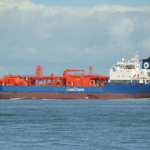
LNG Canada posted a notice on July 31 that it will be soon receiving a cargo of liquefied petroleum gases (LPGs) at Kitimat, the site of its liquefaction plant, in preparation for initial commissioning and start up activities. LPGs are often used as a refrigerant in part of the initial process to test liquefaction equipment and cool incoming natural gas to a liquid form. Once the plant is more extensively and safely operating in the future, LPGs extracted from the incoming gas stream will be used as refrigerants in the liquefaction process.
Featured Articles
- Analyst Insight
And Now It Begins – First Gas Introduced to the LNG Canada Liquefaction Plant
First gas has been introduced to the LNG Canada site for equipment testing as part of the long journey to liquefaction. If all testing goes smoothly, we expect LNG exports before the end of the year and gas intake approaching 500 MMcf/d.
- Analyst Insight
LNG Canada Notifies of Increased Flaring – Greater Volumes of Gas into the Plant?
LNG Canada has notified of increased flaring at its site as equipment testing proceeds. RBN estimates that gas intake to the LNG Canada plant may be increasing to between 50 and 100 MMcf/d for a period of 14 to 18 days.


- Blog
Hear My Train A Comin' - The Liquefaction Train Ramp-Up Process and Timelines
The year-on-year gain in U.S. LNG feedgas demand has been the single biggest factor behind the soaring natural gas prices and storage shortfall this year. And there is more of that demand on the horizon. Cheniere Energy’s Sabine Pass Train 6 and Venture Global’s new Calcasieu Pass facility are due to start service in the first half of 2022. However, feedgas volume is likely to ramp up ahead of the new year as both projects progress through the commissioning phase and aim to export their first commissioning cargoes before the end of the year. How soon could that incremental feedgas demand show up? Getting a handle on the timing requires an understanding of how a liquefaction plant works and the various steps of the commissioning process. Today, we start a short series on what’s involved when bringing a liquefaction plant online and what that can tell us about the timing of incremental feedgas flows this fall/winter.
