


Featured Articles


(The EPA) Drives Me Crazy - New U.S. Rule on Tailpipe Emissions Conflicts With Energy Reality
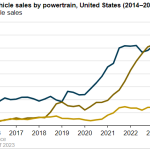
The Biden administration recently announced a very ambitious — to say the least — rule on tailpipe emissions. But while the rule’s legal and political standing might be a bit uncertain — it’s seen by many as a de facto ban on conventionally fueled cars and trucks and is likely to face several court challenges — doubts also remain about whether it matches up with the realities of today’s energy world. In today’s RBN blog, we look at the new rule, what it would mean for U.S. consumers and automakers, and how it conflicts with the views of RBN’s Refined Fuels Analytics (RFA) practice on the future of global oil and refined products demand and the rate of electric vehicle (EV) adoption.
EV Adoption Rate to be Shaped by Incentives, Costs but Likely to Fall Well Short of Biden Goal


One Shining Moment - As Gasoline Prices Spike, How Do Electric Vehicles Stack Up?
Even before the recent spike in crude oil and gasoline prices, the subject of a contentious House committee hearing Wednesday with executives from six large oil and natural gas companies, electric vehicles (EVs) were having a bit of a moment. From legacy brands such as BMW and General Motors to the EV startup Polestar, several automakers used their spots during February’s Super Bowl — the most-watched event on the TV calendar, where the cost for a 30-second ad went for a whopping $6.5 million — to highlight their latest EV offerings. Now, with gasoline prices about 50% higher than they were a year ago (and about 20% higher than they were on Super Bowl Sunday), EVs are getting a whole new level of attention from everyday drivers, not just Tesla fanboys, car afficionados, or the environmentally conscious. In today’s RBN blog, we look at whether the recent run-up in gasoline prices will help turn EVs into a more economical option.
