Earlier today (Wednesday, March 11), the International Energy Agency (IEA) announced that its 32 member countries had unanimously agreed to release up to 400 MMbbl from their emergency reserves to the market to help ease supply disruptions tied to the war in the Middle East. As discussed in this week's Crude Billboard, with IEA members collectively holding over 1.2 billion barrels of emergency stockpiles, this is the largest coordinated draw in the agency’s history, eclipsing the 183 MMbbl release in 2022 following Russia’s invasion of Ukraine.
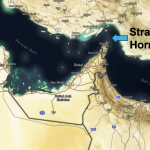
The goal this time is straightforward: cool a fast-moving oil rally triggered by the Middle East conflict and the near shutdown of tanker traffic through the Strait of Hormuz, one of the most important arteries in the global oil trade. That chokepoint matters. Roughly one in every five barrels of seaborne crude normally passes through the Strait of Hormuz. The sudden disruption has sidelined a large share of Persian Gulf exports, reducing activity to just 10%-15% of normal levels, with crude prices soaring into the triple digits over the weekend.
Prices eased briefly after the IEA announcement, but traders are still waiting for the fine print. Key questions remain around how quickly the barrels will reach the market and what the crude-to-products mix will look like. For reference, the last coordinated IEA release in 2022 was about 73% crude and 27% refined products, with diesel making up the largest slice of the product barrels.