
- Blog

A Matter of Trust, Part 3 - How Midstreamers Are Reducing Their Pipelines' GHG Impact

Author Housley Carr

Every day, midstream companies in North America transport massive volumes of crude oil, natural gas, NGLs, and refined products to market. Without their pipelines, economic activity would rapidly grind to a halt. Still, environmental critics and ESG-conscious investors and lenders are quick to point out that the commodities that midstreamers pipe are among the leading sources of greenhouse gas emissions, and that, at the very least, pipeline companies should be reducing or even offsetting the carbon dioxide (CO2) and other GHGs associated with operating their networks. That’s now happening in a big way — and in a variety of ways — as we discuss in today’s blog.


- Blog

A Matter of Trust, Part 2 - Carbon-Neutral Cargoes of LNG and Other Hydrocarbons

Author Housley Carr

Carbon-neutral hydrocarbons may sound like an oxymoron, but an increasing number of international shippers have been assembling and sending out cargoes of LNG whose expected lifecycle carbon-dioxide (CO2) emissions have been fully offset by carbon credits. What’s next? No-calorie cherry pie? No-loss gambling on DraftKings? A winning season for the Houston Texans? (Probably not.) As you’d expect, carbon-neutral cargoes of LNG — and crude oil and LPG — are designed to help hydrocarbon sellers and buyers alike meet their goals for reducing their greenhouse gas emissions (GHGs). The concept is still relatively new, though, and many of the participants in these deals are still in learning mode, seeking to gain experience with something they expect to see a lot more of soon. In today’s blog, we discuss the relatively short history of this type of shipment and the first signs that carbon-neutral hydrocarbons are about to go mainstream.

- Blog

A Matter of Trust - Assessing the Energy Industry's Carbon-Related Initiatives

Author Housley Carr

In case you hadn’t noticed, there’s a big push by the government, industry, and the broader public to reduce greenhouse gas (GHG) emissions and to offset those that do occur. Given its carbon-intensive nature, the oil and gas sector is at the heart of this activity, with almost daily announcements about carbon-neutral LNG shipments, carbon-dioxide capture and sequestration projects, and other efforts. The problem is, it can be difficult sometimes to figure out what’s real and what’s not — that is, which efforts have an actual, measurable impact and which are sort of vague or fuzzy and need to be sussed out. Today, we discuss the latest round of announcements by producers, midstreamers, refiners, and others to “green up” their operations and products.

- Blog

A Market of Contradictions: Ethanol Mandates, Motor Gasoline and the Blend Wall

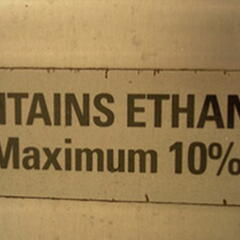
Ethanol from corn as a motor gasoline blend stock seems like a good idea.  As an oxygenate it is supposed to clean up the air, and as a U.S grown renewable it reduces our dependence on fossil fuels and foreign oil.  The catch is that ethanol is being mandated under a morass of mind-numbingly complex government regulations, some of which conflict with each other, or worse yet are out of step with the realities of the market.  For example, the mandatory volumes of ethanol required may soon exceed the quantity that the market can use.  At the same time, high corn prices have driven margins on ethanol manufacture into the red forcing many ethanol producers to shutter their operation, reducing ethanol supplies.  And if that were not enough, a government program created something called the   renewable identification number – RIN – a 38-digit serial number that ‘tags’ batches of renewable fuels and has resulted in all sorts of complications.  Today we’ll begin an examination of the ethanol market to understand how we got in this predicament and where we go from here.  In Part I we tackle one of the most intractable problems – the Blend Wall.