The demand destruction caused by COVID-19 hasn’t only hurt producers and refiners; it’s also slowed the development of a number of planned midstream projects. In fact, the only multibillion-dollar crude-related project to reach a final investment decision (FID) during the pandemic is TC Energy’s Keystone XL, which in late March won financial backing from Alberta’s provincial government. But Keystone XL soon hit another snag, this time in the form of U.S. district and appellate court rulings that vacated the project’s Nationwide Permit 12 for construction in and around hundreds of streams and wetlands along the U.S. portion of the pipeline’s route in the U.S. More important, the courts also put on ice — at least for now — the use of the general water-crossing permit for other new oil and natural gas pipelines as well. As we discuss in today’s blog, that could result in delays and legal challenges to dozens of projects that midstreamers and their counterparties have been counting on.
For midstream companies, the process of advancing a pipeline, an export terminal, or another major project is often fraught with challenges. For one, there’s the competition among midstreamers to line up the long-term commitments generally needed to secure financing — a factor that has always been a hurdle for large new midstream projects. Then there’s the matter of locking down the various regulatory approvals and permits that the project will need — again, always a stumbling block that has only increased in significance over the years. Today, environmental, landowner, and stakeholder challenges to pipeline projects, even from the states they traverse, have become very difficult. For example, Williams has failed to convince New York regulators that its Constitution Pipeline project passes environmental muster. And even when midstream developers do get the approvals and permits they need from administrative agencies, there’s always the very real possibility that there will be court challenges that could drag on for years.
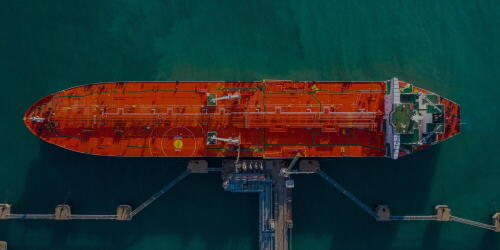
The Crude Voyager is a weekly analysis of U.S. Gulf Coast loading activity that explains the ebbs and flows of crude loadings, destinations, and geopolitical issues impacting U.S. exports. It outlines the major paths for laden tankers hauling U.S. crude all over the world and reflects the change in tanker departures to the main regions that consume U.S. crude.
It is fitting, in a way, that the courts’ rulings on Nationwide Permit 12 (NWP 12) target Keystone XL, the poster child for midstream-project challenges and delays. The project was first proposed by TC Energy — then called TransCanada — 12 years ago, in 2008. Keystone XL is intended to be a 1,280-mile crude oil pipeline, moving as much as 830 Mb/d of crude oil from Hardisty, AB, to Steele City, NE. Obviously, the $8 billion pipeline has a lengthy regulatory and legal history, with the misfortune of becoming a symbolic political football between those who oppose both fossil fuels and pipelines and the businesses and economies that rely on Western Canadian oil. This history has included the rejection of a Presidential Permit for the border crossing by then-President Obama, approval of the same border crossing by President Trump, and an appeal to the Nebraska Supreme Court of the Nebraska Public Service Commission’s (NPSC) November 2017 approval of the project.
About the song
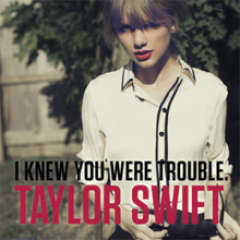
"I Knew You Were Trouble" was written by Taylor Swift, Max Martin, and Shellback. It appears as the fourth track on Taylor Swift's fourth studio album, Red. Released as the third single from the album in December 2012, "I Knew You Were Trouble" went to #2 on the Billboard Hot 100 Singles chart. It went on to be certified 7x Platinum by the Recording Industry Association of America (RIAA). Personnel on the record were: Taylor Swift (lead, backing vocals), Max Martin (keyboards), and Shellback (guitars, bass, keyboards, programming). Max Martin and Shellback produced the song.
Red was produced by Taylor Swift, Nathan Chapman, Jeff Bhasker, Dann Huff, Jacknife Lee, Max Martin, Shellback, Butch Walker, and Dan Wilson. Released in October 2012, it went to #1 on the Billboard Top 200 Albums chart, and has been certified 7x Platinum by the RIAA. Seven singles were released from Red, four of them becoming top 10 hits. Red won one American Music Award, two Billboard Music Awards, and one World Music Award.
Taylor Swift is an American singer-songwriter, record producer, and actress. She was signed to her first music publishing deal when she was 14 years old. Swift has released seven studio albums, two live albums, one compilation album, five EPs, and 58 singles. She has sold over 50 million albums and 150 million singles worldwide. She has won three Academy of Country Music Awards, 14 American Music Awards, 13 Billboard Music Awards, one Brit Award, 12 Country Music Association Awards, three Grammy Awards, and four MTV Video Music Awards. She is a member of the Songwriters Hall of Fame. Swift’s touring plans are on hold due to COVID.