Six months ago, the U.S. West Coast natural gas market looked like it was in dire straits. A harsh winter had depleted stocks to the lowest level in over a decade and it seemed like the region would be hard-pressed to refill storage to a reasonable level, given limited and constrained pipeline options to flow incremental gas west. Instead, a combination of mild weather and operational changes eased demand and pipeline constraints, and Pacific Region storage staged a remarkable comeback this summer. In today’s RBN blog, we delve into how the region escaped a worst-case scenario heading into the heating season.
For years now, transportation constraints for moving gas west of the Rockies and reduced gas storage capacity on the West Coast have been driving a wedge between the U.S.’s Western and Eastern gas markets (see Wild, Wild West). The West Coast gas market has been at the forefront of the energy transition; nevertheless, natural gas transportation constraints and gas supply shortages in the region, particularly California, have made it the highest-priced gas market in the country. The Golden State has experienced radical shifts for the better part of the past decade, from the permanent shutdown in 2013 of the 2,250-MW San Onofre nuclear facility (see Play Me a Songs Mr. Generator Man and California Schemin’) — a major power source for the Los Angeles metro area — to an aggressive expansion of renewable energy (first wind, then a lot of solar; see Here Comes the Sun and California Dreamin’), and capacity reductions at SoCalGas’s Aliso Canyon gas storage facility stemming from a leak in 2015 (more on that in a bit).
NATGAS Billboard is a daily, early morning email and report that provides an up-to-the-minute view of the natural gas market outlook, including storage injections/withdrawals and price. Billboard’s models incorporate pipeline flow data, weather models, electricity demand data and more.
These changes have made the region vulnerable to gas shortages, transportation and storage constraints, power outages and price spikes, even as gas supply abundance east of the Continental Divide has tamped down prices in the Central and Eastern markets. Without new westbound pipeline capacity, markets west of the Permian Basin have been hard-pressed to take advantage of the supply growth in West Texas and have struggled to consistently maintain adequate natural gas supplies.
We’ve seen the fundamental and pricing dislocations resulting from this “Great East-West Divide” a number of times over the past several years, triggered primarily by extreme weather and/or extended pipeline outages (see Electrical Storm, Chain Reaction and Baby I Need Your Gas). They were also on full display last winter.
Spot prices at SoCal Citygate (yellow bars in Figure 1) had been averaging less than $1/MMBtu above the national benchmark Henry Hub. However, the SoCal premium expanded last winter as citygate prices surged to an average of $30/MMBtu in December and averaged nearly $15/MMBtu for the full winter — nearly triple the previous winter’s price and the highest on record for that period. Other California and West Coast markets saw similar price spikes. By comparison, winter prices at national benchmark Henry Hub (navy blue bars) collapsed from last summer’s peak of nearly $10/MMBtu to the $2/MMBtu territory by January and averaged $2.77/MMBtu for the full winter.
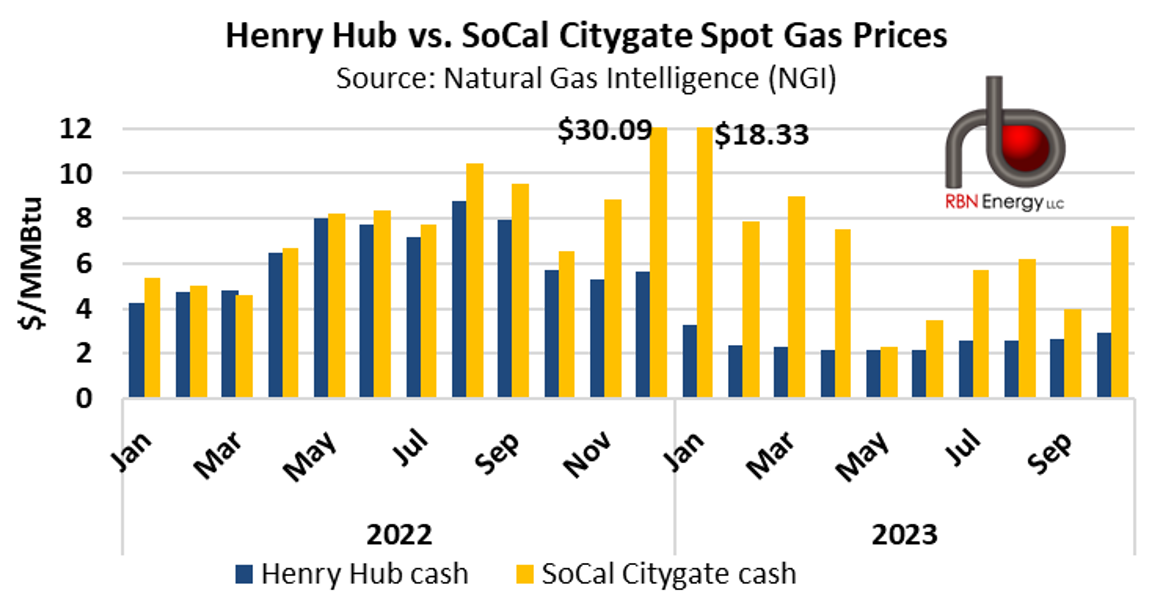
Figure 1. Henry Hub vs. SoCal Citygate Spot Gas Prices. Source: NGI
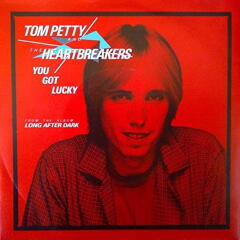
About the song
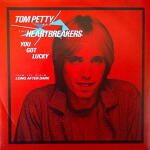
“You Got Lucky” was written by Tom Petty and Mike Campbell and appears as the second song on side one of Tom Petty and the Heartbreakers’ fifth studio album, Long After Dark. The song was written to a drum loop created by Mike Campbell. Tom Petty came up with the idea for Campbell to play an Ennio Morricone-style guitar solo to evoke the vibe from the soundtrack to the film The Good, The Bad, and The Ugly. Released as the first single from the album in October 1982, it went to #20 on the Billboard Hot 100 Singles chart. The video for the song featured the band riding in futuristic vehicles that Los Angeles car customizer Dean Jeffries had built for the television series Logan's Run. Personnel on the record were: Tom Petty (lead vocals), Mike Campbell (lead, rhythm guitars), Benmont Tench (acoustic piano, synthesizers), Howie Epstein (bass, backing vocals), Stan Lynch (drums, LinnDrum, backing vocals), and Phil Jones (percussion).
Long After Dark was recorded between 1981 and 1982 at Record Plant, Wally Heider's, and Crystal in Hollywood, and Rumbo Recorders in Canoga Park. Released in November 1982, it went to #9 on the Billboard Top 200 Albums chart and has been certified gold by the Recording Industry Association of America (RIAA). Three singles were released from the LP.
Tom Petty and the Heartbreakers were an American rock band from Gainesville, FL, formed in 1976 by singer/guitarist Tom Petty, lead guitarist Mike Campbell, keyboardist Benmont Tench, bassist Ron Blair, and drummer Stan Lynch. Howie Epstein later replaced Blair for two decades, Scott Thurston joined the band as a multi-instrumentalist, and Steve Ferrone replaced Lynch. Petty, Campbell, and Tench previously played together in the Gainesville band Mudcrutch, who released one single, “Depot Street,” for Shelter Records in 1974. Tom Petty and the Heartbreakers released 13 studio albums, two live albums and 68 singles. The band was inducted into the Rock and Roll Hall of Fame in 2002. Howie Epstein died in 2003, and Tom Petty died in 2017. The Heartbreakers gave their final performance at The Hollywood Bowl, ending their concert with “American Girl,” in September 2017, shortly before Petty's untimely death a few weeks later at the age of 66. All of the Heartbreakers have done studio work since the dissolution of the band. Mike Campbell has toured with Fleetwood Mac and released two studio albums with his band, Dirty Knobs. In September 2023, Campbell, Tench and Ferrone backed Bob Dylan at a surprise appearance at Farm Aid.