A perfect storm of hot weather, transportation constraints and limits on storage use recently sent natural gas prices in Southern California surging to the highest levels seen in that market going back to at least 2007. Spot prices at the SoCal Citygate hub averaged close to $40/MMBtu in late July and were again up over $20/MMBtu last week, levels that were several times higher than the national benchmark Henry Hub — and, for that matter, every other U.S. market hub — on the same day. Prices since then have retreated, but the whipsawing price action raises questions about what’s in store for SoCal this coming winter. Today, we analyze the factors behind the recent record prices and prospects for continued volatility at SoCal.

The RBN Crude Oil Analytic Suite gives you access to four weekly reports covering crude oil markets, including: Crude Billboard, Crude Permian, Crude TradeView, and Crude Voyager.
The recent price spike at SoCal wasn’t our first inkling of trouble brewing in the California power and natural gas market. The Golden State has experienced radical shifts for the better part of this decade, from the permanent shutdown in 2013 of the 2,250-MW San Onofre nuclear facility (see Play Me a Songs Mr. Generator Man and California Schemin’) — a major power source for the Los Angeles metro area — to an aggressive expansion of renewable energy (first wind, then a lot of solar; see Here Comes the Sun), which also involved shutting down older, less-efficient gas-fired power plants, and more recently the regulatory restrictions on SoCal Gas’s Aliso Canyon gas storage facility after it sprung a leak in 2015. All in all, with renewables increasing market share and regulatory caps on storage injections and withdrawals, these factors have lowered gas usage in the region but — counterintuitively — not gas prices, and, what’s more, price volatility in the local gas market has increased.
That stark reality has been on full display these past few weeks. As Figure 1 illustrates, spot gas prices at the SoCal Citygate trading hub (orange line) — representing deliveries to SoCal Gas’s local distribution system — rallied to double-digit levels in late July (2018) and peaked with a daily average of $39/MMBtu on July 24, according to the NGI Daily Gas Price Index. That compares with an average of about $5/MMBtu in the first half of July, and about a $3.20 average in both June 2018 and the June-July timeframe in 2017. Not only was that $39/MMBtu mark the highest price seen since at least 2007, but also the highest price in the country at the time. The national benchmark Henry Hub in Louisiana on the same day, posted a $2.70/MMBtu settlement, leaving a $36 differential to SoCal.
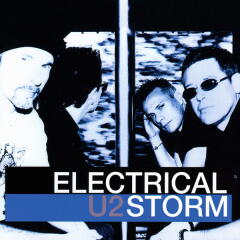
About the song
"Electrical Storm" was one of two new songs recorded for U2's second greatest hits album, The Best of 1990-2000, released in October 2002. The music for the song was written by the band, with lyrics by Bono. The single went to #14 on the Billboard Alternative Songs, #18 on Adult Top 40, #26 on Mainstream Rock and #77 on the Hot 100 charts. A black-and-white video, featuring the band in scenes reflecting the story in the lyrics, was released at the same time as the single.
U2 is an Irish rock band formed in Dublin in 1976. The group consists of: Bono (lead vocals), the Edge (guitar), Adam Clayton (bass), and Larry Mullen Jr. (drums). The group has recorded 14 studio albums, and have sold over 170 million records worldwide, making U2 one of the best-selling music artists in history. The band has won 22 Grammy Awards, nine Billboard Music Awards, four MTV Video Music Awards, two Golden Globe Awards, one American Music Award, and one Academy Award. U2 was inducted into the Rock and Roll Hall of Fame in 2005. The group will wrap up its current “Experience & Innocence World Tour” in Dublin, Ireland, on November 10, 2018.