Crude oil and natural gas production in Oklahoma have fully rebounded from the declines that followed the 2014-15 collapse in oil prices and stand at 21st-century highs. While the active rig count in the state — at about 120 in recent weeks — is off 10% from its post-crash peak in mid-2017, the productivity of new wells continues to rise, as does interest in the Merge play between the SCOOP and STACK production areas in central Oklahoma and in the Arkoma Woodford play to the southeast. All that has put additional pressure on the state’s existing pipeline and gas-processing infrastructure and spurred continuing activity among midstream companies. Today, we begin a review of ongoing efforts to add incremental processing and takeaway capacity in the hottest parts of the Sooner State.

Crude oil production in Oklahoma averaged 524 Mb/d in March 2018, according to our friends at PointLogic, up from about 400 Mb/d at the beginning of 2017 — a 30% gain. Figure 1 shows that most of the production growth has come from the still-hot Cana-Woodford play (orange layer) — home to the crude-focused SCOOP and STACK and the newly popular Merge play that straddles those production areas. In fact, crude output in the Cana-Woodford continued rising even during the price collapse that started in the second half of 2014 and ran through 2015. In contrast, crude oil production in Oklahoma’s portion of the Mississippian play (yellow layer) fell sharply during the price downturn, and has only started rebounding in recent months.
About the song
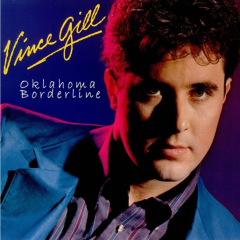
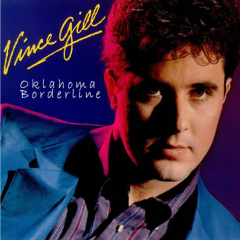
“Oklahoma Borderline” was a hit single for American country music singer Vince Gill in 1985. The song, which was co-written by Gill, Rodney Crowell and Guy Clark, is off Gill’s debut solo album for RCA Records, The Things That Matter Album, and rose to #9 on the Billboard Hot Country Singles chart.
Vince Gill started getting professional recognition in 1979 when he became the front man for country rockers Pure Prairie League. He had a hit with them with "Let Me Love You Tonight." Vince left the band in 1981, and then played in Rodney Crowell's backup band, The Cherry Bombs. After releasing a bluegrass album with David Grisman, Gill secured a solo record deal with RCA in Nashville in 1984. As a solo artist, he has released 50 singles — five that went to #1 — as well as 19 studio albums.
Vince Gill has received four Academy of Country Music Awards, 14 Country Music Association Awards, and 21 Grammy Awards. In 2005, he was inducted into the Nashville Songwriters Hall of Fame, and in 2007, he was inducted into the Country Music Hall of Fame. Gill has been a touring member of The Eagles since 2017.