The rates regulators set for transporting natural gas on interstate pipelines are all-important. They determine how much it costs to get gas from A to B, whether new capacity can be funded, and serve as the bedrock of regional gas price relationships around the nation’s pipeline grid. But the process for establishing those rates can seem opaque and is often misunderstood — it’s one of those things you need to be directly involved in to fully grasp. Well, RBN’s Advisory Practice lives and breathes gas pipeline rate cases month in, month out, and we thought it would be interesting — and kind of fun — to take you behind the curtain and explain how rate cases at the Federal Energy Regulatory Commission (FERC) really play out.
In observance of today’s holiday, we’ve given our writers a break and are revisiting a recently published blog on Gas Pipeline Rates. If you didn’t read it then, this is your opportunity to see what you missed! Happy New Year!
Don’t worry, this won’t be a deep dive on how to become a rate analyst. Instead, it will be a straightforward explanation of how all the parties in a gas pipeline rate case — the pipeline owner, consumer representatives, FERC staff, the commission itself and others — find their way to a quick and fair resolution of the issues at hand. Maybe we’ve been doing this too long, but we can argue there’s a certain beauty to it.
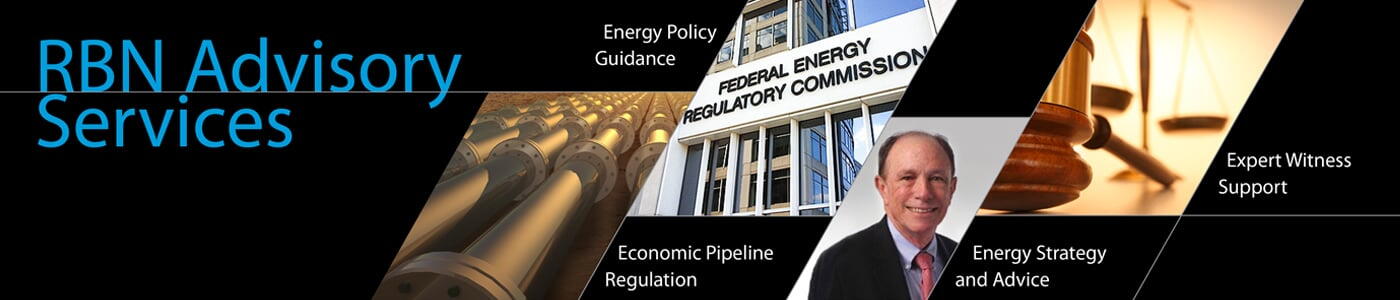
From the outside, you might think that a FERC rate-setting procedure is as cut-and-dried as a three-day-old Christmas turkey, a process in which the pipeline owner files reams of financial data, a plethora of FERC accountants audit the filing and crunch the numbers, and the commissioners vote to approve rates based on that auditing and number-crunching. (The photo below illustrates this view of how things must happen.)

The Widely Held View of How FERC Natural Gas Pipeline Ratemaking Happens.

About the song
“Let’s Make a Deal” was written by Curtis Blandon and appears as the first song on side one of Gloria Gaynor’s third studio album, I’ve Got You. The beat-driven disco song features an electric sitar and glossy production from Meco Monardo, Tony Bongiovi (Jon Bon Jovi’s second cousin), and Jay Ellis. Released as a single in July 1976, it went to #95 on the Billboard R&B Singles chart. Personnel on the record were: Gloria Gaynor (vocals), Lance Quinn, Jerry Freidman, Jeff Mironov (guitar, electric sitar), Bob Babbitt (bass), Pat Rebillot (keyboards), Allan Swartzberg (drums), Carlos Martin (congas), The Tony Posh Strings (strings), Alan Rubin (trumpet), Wayne Andre (trombone), Peter Gordon (French horn), Lou DelGatto, George Taylor, Larry Condas (reeds), and Linda November, Arlene Martell, Vivian Cherry (backing vocals).
I’ve Got You was recorded during the spring and summer of 1976 at Media Sound and Dimensional Sound in New York City and Track Recorder in Silver Spring, MD, with Meco Monardo, Tony Bongiovi, and Jay Ellis producing. Released in July 1976, it went to #40 on the Billboard R&B and #107 on the Billboard 200 Albums charts. One single was released from the LP.
Gloria Gaynor (Gloria Fowles) is an American disco and R&B singer, best known for her #1 disco hit, “I Will Survive.” After singing in clubs along the East Coast for several years, she signed her first record deal with Columbia Records in 1971. She has released 20 studio albums, two live albums, 10 compilation albums, and 59 singles. She has won two Grammy Awards and “I Will Survive” was inducted into the Library of Congress National Recording Registry in 2016. At the age of 80, she still records and tours. She was recently featured on the hit television series The Masked Singer.