Oil and gas pipeline regulation have two things in common: They’re both regulated by the Federal Energy Regulatory Commission (FERC), and they were both brought under regulatory oversight in the first place by a Roosevelt — oil pipelines by Teddy Roosevelt and gas pipelines by Franklin Roosevelt. However, that’s where the similarities end. They’re regulated under different statutes, with wildly different histories that have led to very different types of oversight and rate structures. These rules tend to offer oil pipelines a higher degree of flexibility, but in doing so, they also make their rate structures less predictable. Today, we wrap up our review of oil and gas pipelines, and how their separate histories led to the current differences in pipeline rate structures, this time with a focus on oil pipeline ratemaking.
In Part 1, we discussed how crude oil and natural gas pipeline regulation in the U.S. developed. Both sectors have been under the purview of FERC since the 1970s. Oil pipeline oversight by the federal government started with the enactment of the Hepburn Act of 1906, which modified the Interstate Commerce Act, adding oil pipelines to the list of the Interstate Commerce Commission’s (ICC) concerns. The ICC’s primary focus was on providing producers with common-carrier access to crude oil pipelines. Federal regulation of natural gas pipelines didn’t kick in until 1938 with the enactment of the Natural Gas Act (NGA), which put regulation of gas pipelines in the hands of the Federal Power Commission (FPC), an entity that was created in the 1920s to regulate interstate electricity transactions. The Energy Organization Act of 1977 transformed the FPC into the FERC, which also became responsible for the regulation of oil pipelines. That’s pretty much how it’s been ever since, though the Energy Policy Act of 1992 made some revisions to how FERC regulates oil pipelines (see timeline for oil and gas pipelines regulation in Figure 1).
In Part 2, we delved further into how the evolution of natural gas pipeline regulation has shaped transportation ratemaking and service structures — from the days when pipelines were the buyers and sellers of natural gas and prices for gas sold to interstate pipelines were regulated by the feds, to the early 1990s, when FERC Order No. 636 restructured the industry, taking pipelines out of the gas buying-and-selling business and joining with the Wellhead Decontrol Act of 1989 to deregulate gas commodity prices (see timeline in Figure 1). The mess that led to restructuring and deregulation started in 1954, when major dislocations grew between prices for gas on interstate pipelines, which were federally regulated, and intrastate pipelines, which fell outside federal jurisdiction. For the next 45 years, the gas industry had every kind of dysfunction, from severe shortages to massive rate increases, wild statutory swings in the legal prices for wellhead gas, and an industry drowning in overpriced gas. With wellhead deregulation in 1989, Order No. 636 restructuring in 1993, and the advent of shale gas abundance in the early 2000s, the natural gas industry climbed out of its 45-year pit. Today, the gas industry is healthy and transparent.
About the song
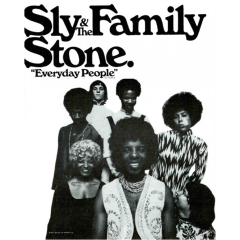
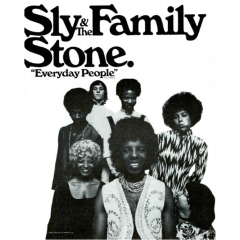
"Everyday People" was written by Sly Stone and appears as the first song on side two of Sly and the Family Stone's fourth studio album, Stand! Released as a single in November 1968, the song went to #1 on both the Billboard Soul Singles and Billboard Hot 100 Singles charts. It was the first #1 single for the band. With its lyric of "different strokes for different folks," the song is a call for peace and equality for different races and social groups. That lyric became a popular catchphrase in modern culture and would later inspire the name of the hit television series, Diff’rent Strokes.
San Francisco's Sly and the Family Stone, along with Los Angeles rock band Love, were the first integrated rock bands to have albums out. Sly and the Family Stone also featured two women in the group: Rose Stone and Cynthia Robinson. "Everyday People" is one of the most covered songs by Sly and the Family Stone, with artists such as Aretha Franklin, Joan Jett, The Staple Singers, and Pearl Jam recording the song. Personnel on the record were: Sly Stone (vocals), Rose Stone (vocals, keyboards), Freddie Stone (vocals, guitar), Larry Graham (vocals, bass), Gregg Errico (drums, vocals), Jerry Marini (sax, vocals), and Cynthia Robinson (trumpet, vocal ad-libs).
Stand! was recorded in 1968 and 1969 at Pacific High Recording Studios in San Francisco, with Sly Stone producing. Released in May 1969, the album went to #3 on the Billboard Top R&B chart and #13 on the Billboard Top 200 Albums chart. It has been certified Platinum by the Recording Industry Association of America. Two singles were released from the album. Stand! was selected by the Library of Congress for inclusion in the National Recording Registry.
Sly and the Family Stone were an American soul/rock band formed in San Francisco in 1966 by Sly Stone. Sly was already a popular DJ and record producer in the Bay Area when he put the band together. The original band was active until 1975, when internal problems led to their dissolution. Sly Stone retired from the music business in 1987. The group released 11 studio albums and 40 singles. The band left a strong impression after its appearance at the Woodstock music festival in 1969 and are featured in the film and soundtrack of that historical event as well as the 40th Anniversary Edition. Eighteen people passed through Sly and the Family Stone until its final breakup. The work of the band greatly influenced the sound of American funk, soul, pop, R&B, and hip-hop music. The band was inducted into the Rock and Roll Hall of Fame in 1993 and the Vocal Group Hall of Fame in 2007.